


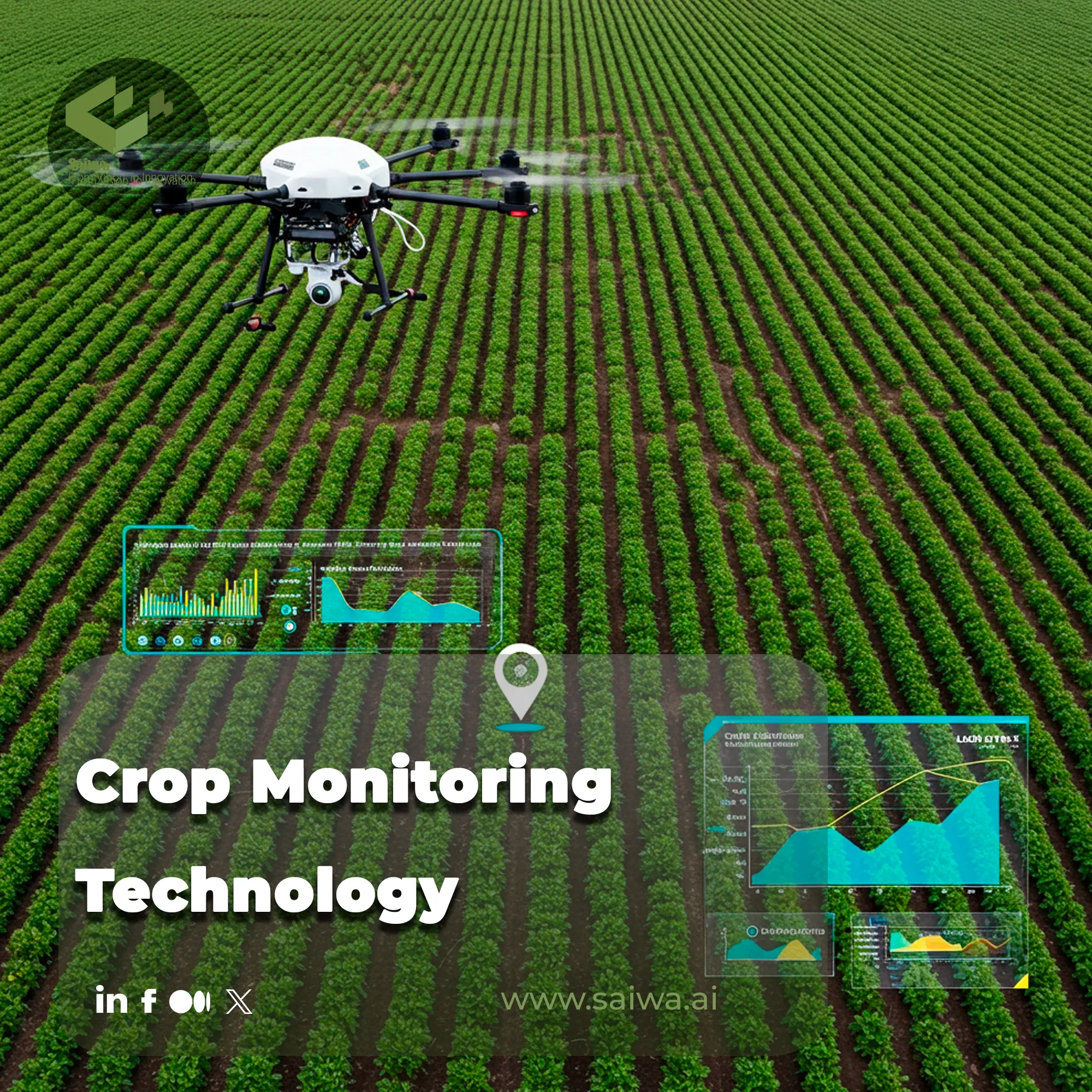
Crop Monitoring Technology: The Intelligent Backbone of Modern Agriculture
Learn how modern crop monitoring technology supports precision agriculture, improves yield prediction, and enables real-time field health analysis.
Written by Amirhossein
Reviewed by Boshra
A modern farm operates less like a field and more like a complex biological factory, where yields are the final product. Historically, optimizing this factory's countless variables was a matter of intuition and experience. Today, it has become a science of precision engineering.
Platforms like Saiwa's Sairone provide the analytical toolkit to fine-tune this biological system, managing inputs with exacting accuracy to maximize outputs. This piece explores the specific monitoring tools that empower growers to move from generalized cultivation to the precise, data-driven engineering of their agricultural operations.

Key Technologies Transforming Crop Monitoring
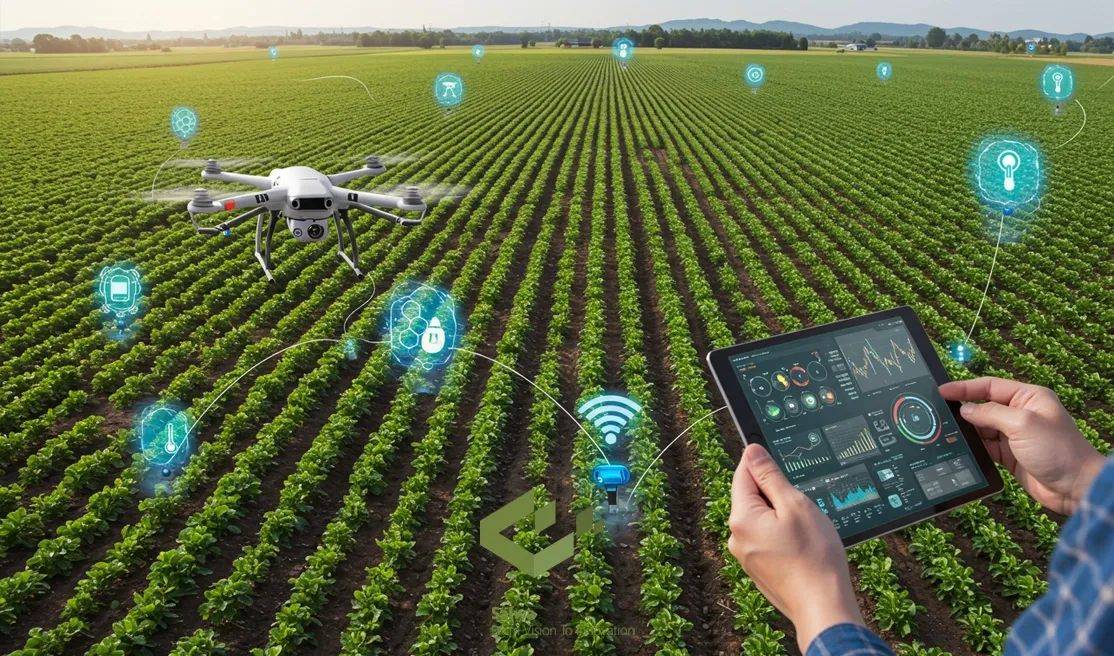
The effectiveness of modern Crop Monitoring Technology rests on a symphony of integrated tools. Each plays a distinct yet complementary role in creating a holistic view of the farm, from a macro-level overview down to the individual plant. Below are the foundational pillars of this transformation:
Satellite Imagery
Provides a "bird's-eye view" of vast agricultural areas, ideal for tracking long-term changes, assessing large-scale health trends through indicators like NDVI, and managing operations at a regional level.
Remote Sensing
This broader category encompasses the non-contact acquisition of information about the Earth's surface. In agriculture, it’s the science behind using sensors on satellites, drones, or ground devices to capture data across various electromagnetic spectra, revealing information invisible to the naked eye.
Drone-Based Aerial Surveillance
Offering unparalleled flexibility and detail, drones equipped with high-resolution multispectral cameras provide data with centimetre-level accuracy. This is crucial for micro-level analysis like spotting specific pest clusters or irrigation anomalies.
IoT Sensors and In-Field Devices
These are the ground troops of modern farming, collecting real-time, in-situ data on soil moisture, pH, nutrient levels, and micro-climates, enabling highly precise, localized decision-making.
AI-Powered Predictive Analytics
This is the central nervous system, processing the immense data streams from all other sources. AI algorithms identify patterns, predict potential outcomes, and flag deviations, turning raw data into predictive intelligence.
Building a Layered Crop Monitoring Workflow
The real power of crop monitoring technology does not come from collecting more images or more sensor readings. It comes from combining multiple data layers in a way that helps growers move from observation to action with less delay and less guesswork.[1]
This matters because different monitoring tools capture different parts of plant stress. A major review in Remote Sensing of Environment explains that visible, near-infrared, shortwave infrared, solar-induced fluorescence, and thermal domains each reflect different physiological responses, and it argues for more synergistic use of these signals instead of relying on one spectral proxy alone.
Why one data source is rarely enough
The current article correctly describes satellites as the macro-level view, drones as the high-resolution field layer, IoT sensors as ground-truth inputs, and AI as the system that turns raw measurements into predictive intelligence.
In practice, each of these tools solves a different monitoring problem. Satellites are useful for broad seasonal surveillance, drones help verify sub-field anomalies at centimeter-level detail, and in-field devices add localized readings on moisture, temperature, pH, or nutrients that imagery alone cannot fully confirm.
That layered logic is consistent with current review literature. A recent review of crop monitoring by multimodal remote sensing highlights the value of combining multiple remote sensing modes rather than depending on a single observation source for all crop decisions.
From anomaly detection to field intervention
A monitoring system becomes operational when it follows a sequence instead of generating isolated maps. A practical workflow usually looks like this:
Use satellite or wide-area remote sensing to flag emerging variability across the field.
Deploy drone-based imaging to inspect those zones with finer spatial resolution and better timing flexibility.
Compare aerial patterns with in-field sensor data or scouting observations before assigning a cause.
Convert confirmed findings into action, such as irrigation adjustment, nutrient correction, targeted crop protection, or a prescription map.
This sequence reduces one of the biggest weaknesses in crop monitoring: reacting to patterns before understanding what they represent. A low-vigor zone may reflect nutrient stress, water deficit, disease onset, compaction, or uneven emergence, and the wrong response can waste both time and input.
Where timing creates the advantage
Early stress detection is one of the clearest advantages of integrated monitoring. A UAV-satellite fusion study for crop monitoring reported that multi-temporal, multi-scale observation can detect early stress effectively, while UAV data helps overcome mixed-pixel issues and temporal gaps that often limit field-level satellite monitoring on its own.
That finding is important for professional growers and ag-service providers because field profitability often depends less on whether stress exists and more on how early it is recognized with enough spatial detail to support treatment.
Monitoring layer | Best role in the workflow |
Satellite imagery | Tracks broad field variability and seasonal trends across large areas. |
Drone imaging | Verifies anomalies with higher resolution and flexible timing. |
IoT and in-field sensors | Adds direct readings on soil and microclimate conditions for better diagnosis. |
AI analytics | Integrates data streams, highlights anomalies, and supports faster decisions. |
Why this improves decision quality
This is also where Sairone fits naturally into the crop monitoring process. Its crop health monitoring workflow is designed around season-long tracking, localized alerts, health dashboards, plant health indices, and prescription-map export for precision treatment, which helps convert monitoring outputs into field-ready decisions.
For modern agriculture, the goal is not simply to watch the crop more closely. It is to build an intelligent monitoring loop in which broad surveillance, targeted inspection, ground validation, and rapid intervention all reinforce each other through the season.
Benefits of Utilizing Crop Monitoring Technology
Adopting this data-driven approach yields a host of operational and strategic advantages that redefine farm management. Exploring these benefits reveals a clear path to enhanced productivity and sustainability:
Real-Time Data Access: Empowers growers with immediate information to make swift, informed decisions instead of relying on cyclical manual checks.
Precision Agriculture: Enables the targeted application of water, fertilizers, and pesticides, applying resources only where they are most needed.
Pest and Disease Detection: Allows for early identification of biological threats, often weeks before visual symptoms appear to humans, facilitating targeted and timely interventions. Advanced platforms can even leverage tools like Fraime's Anomaly detection capabilities to identify subtle visual irregularities indicative of early-stage infestations.
Resource Efficiency: Leads to significant reductions in water consumption (often 20-30%) and chemical usage, lowering both operational costs and environmental impact.
Sustainability: Fosters farming practices that are environmentally sound and economically viable for the long term.
Yield Optimization: The culmination of all benefits, resulting in robust Crop yield estimation models and the maximization of crop output and quality.
Read more: Improving Crop Yield Prediction Using Machine Learning
Case Studies in Crop Monitoring Technology
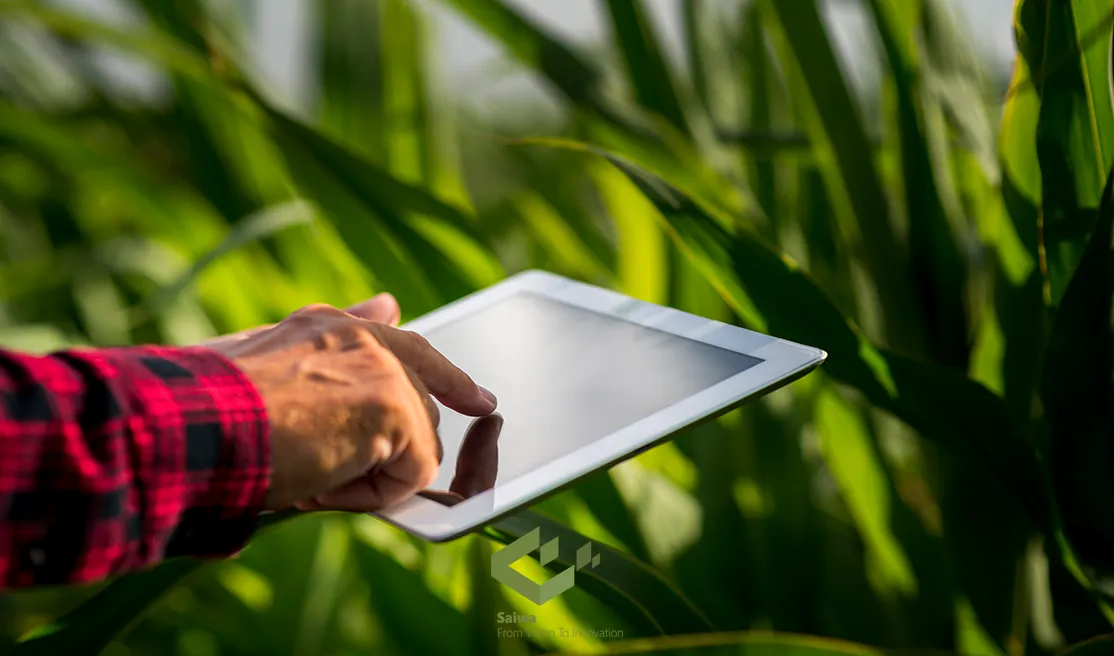
Artificial intelligence (AI) and other modern technologies are transforming crop monitoring, improving efficiency, sustainability, and yields. Some notable examples include:
- Drone Technology in Karnataka, India : Drones helped farmers reduce water usage for spraying agrochemicals by nearly 90% and increased crop yields, addressing labor shortages and improving productivity. (source)
- Farmonaut’s Satellite Monitoring & AgroTIC App : Satellite-based tools and mobile AI apps enable real-time crop health monitoring, assist decision-making, and enhance sustainable farming practices. (source)
The Future of Crop Monitoring
The next generation of crop monitoring will be powered by advanced technologies that drive efficiency, sustainability, and resilience in farming. Key developments include:
• AI and Machine Learning: Algorithms that predict crop needs with high accuracy, optimizing irrigation, fertilization, and pest control in real time.
• Autonomous Drones and Robots: Automation of routine tasks such as scouting, planting, and harvest monitoring, allowing farmers to focus on strategic decisions.
• Nanosensor Integration: Microscopic sensors capable of detecting nutrient levels and pathogens at the cellular scale for ultra-precise monitoring.
• Blockchain for Data Integrity: Secure, transparent ledgers that ensure traceability and trust in farm data from seed to sale.
• 5G and Edge Computing: High-speed connectivity and on-site data processing for near-instant analysis and truly autonomous farm operations.
Together, these innovations promise higher yields, lower costs, and more sustainable agricultural systems that can meet global food demands while protecting the environment.
From Data to Action: How Sairone Powers Smarter Crop Decisions
Sairone by Saiwa exemplifies this technological convergence. It specializes in automating the analysis of high-resolution drone imagery, translating vast visual datasets into clear, actionable intelligence.
By precisely identifying issues like invasive species through automated Weed detection, it empowers growers to move from observation to targeted action with unprecedented speed and accuracy, turning insights directly into optimized field management.
Conclusion
Ultimately, this integrated approach to Crop Monitoring Technology signifies a fundamental paradigm shift towards a more resilient, efficient, and sustainable agricultural future. By embracing these data-driven tools, we are not merely optimizing individual farms, we are actively building a framework to safeguard global food security and promote responsible environmental stewardship.
Note: Some visuals on this blog post were generated using AI tools.
Comments
No comments yet!
Table of Contents
No headings were found on this page.