Molecular and Machine Learning-Based Monitoring of Fusarium Dry Rot in Potatoes
Development
Sep 18, 2025
Aug 10, 2026
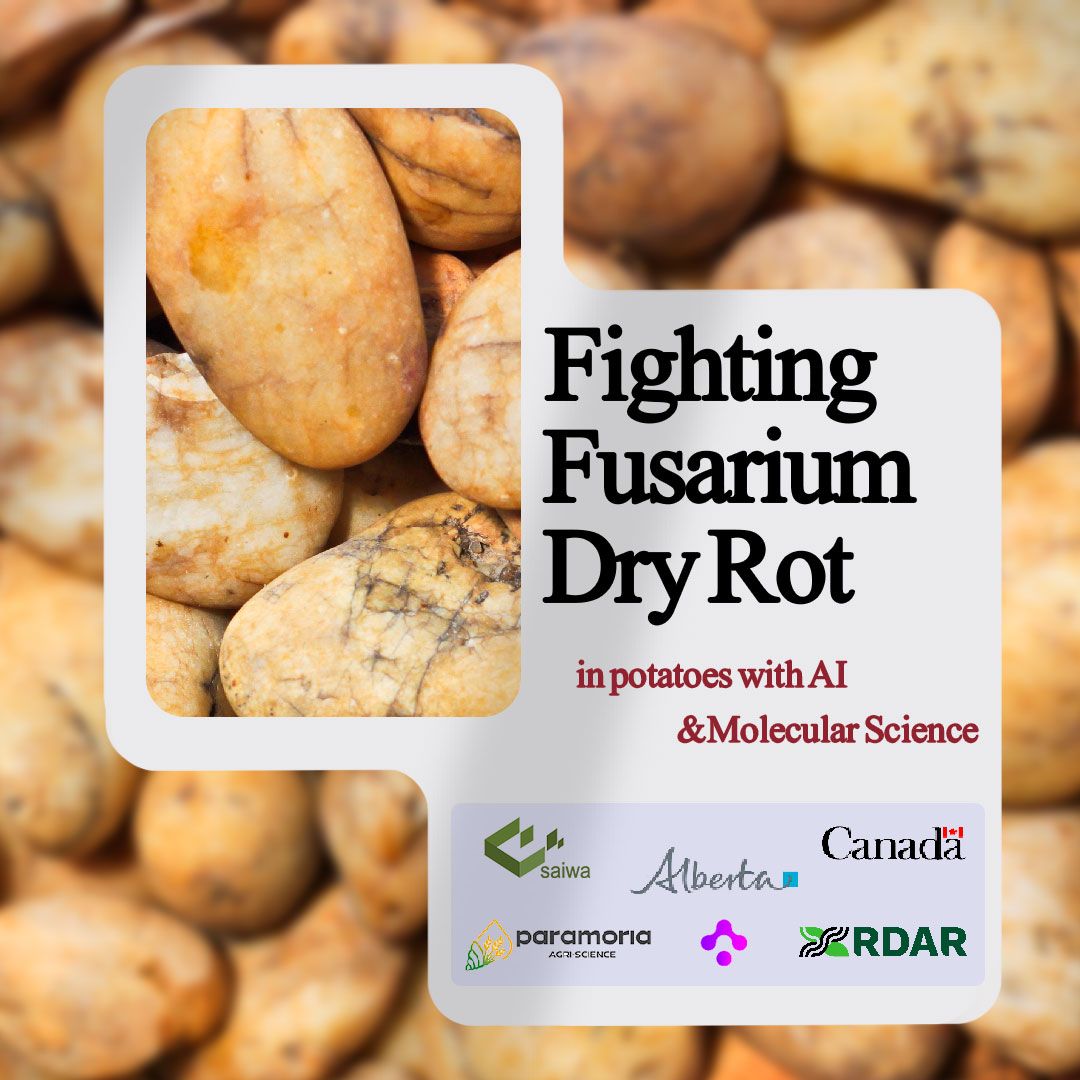
Every year, potato producers across Alberta face devastating losses due to Fusarium dry rot—an aggressive storage disease that causes economic damages exceeding $48 to $100 million annually across approximately 150 producers. This project introduces a revolutionary monitoring suite to track and manage the disease dynamically through eDNA monitoring, machine learning, and real-time wounding detection.
Saiwa Inc., in partnership with Paramoria Agri-Science and Blue-Sky Analytical Labs, is deploying a novel dual-approach system combining molecular genetics and AI-powered computer vision to provide farmers with actionable insights and early detection tools to mitigate Fusarium risk during and post-harvest.
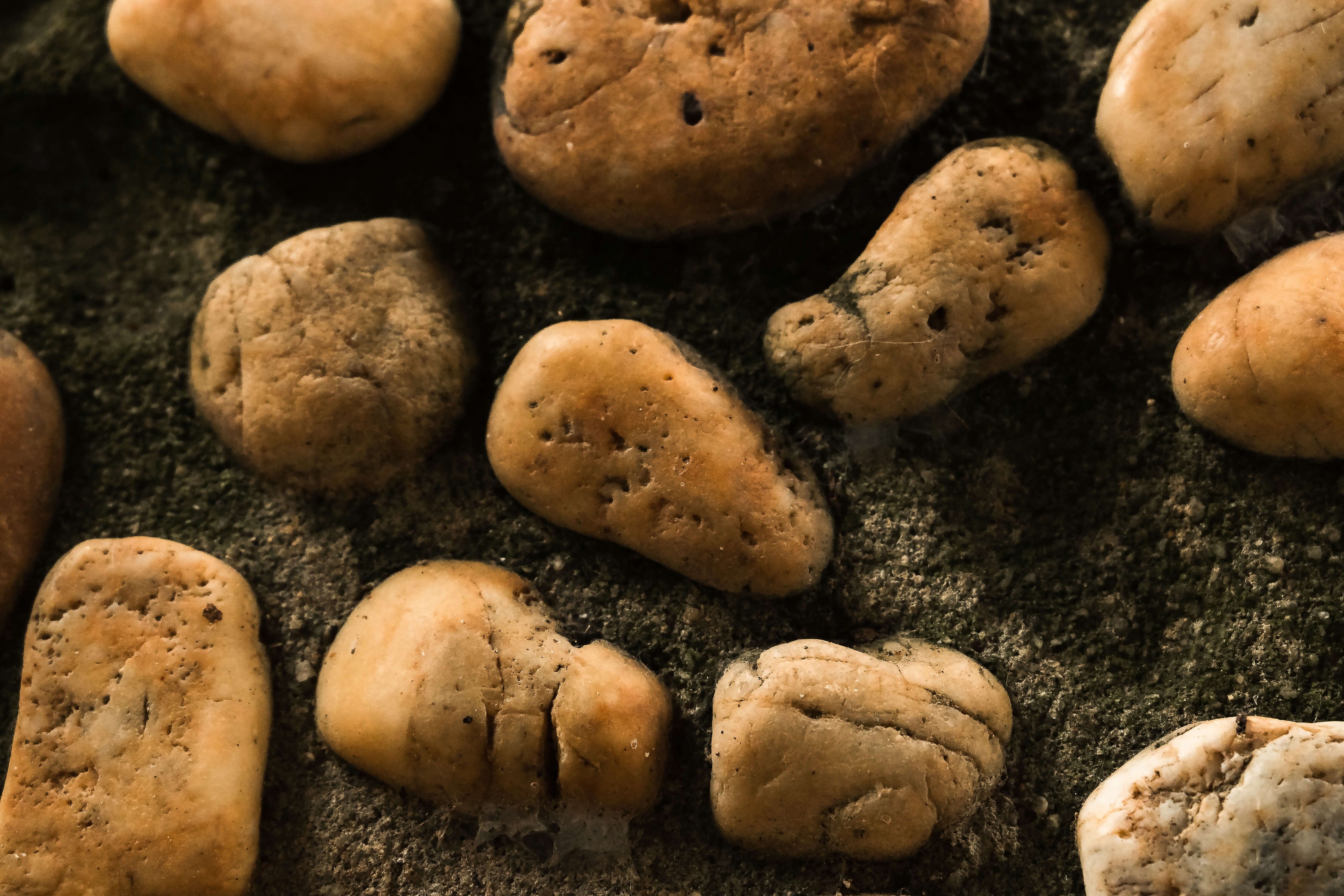
Current strains of Fusarium have developed resistance to conventional fungicides, leaving producers with few options beyond minimizing risk and removing visibly infected tubers. Moreover, no commercial potato cultivars offer genetic resistance, and standard storage conditions (e.g., refrigeration) do not eliminate the threat, with typical losses ranging from 3% to 15% per facility. The industry lacks effective, scalable, and real-time monitoring tools for early intervention.
This project pioneers an integrated AI-powered approach to monitor Fusarium dynamics using two advanced techniques:
1. Aerobiological eDNA Monitoring
Paramoria Agri-Science will deploy Spornik™ traps and high-throughput sequencing (qPCR) methods to track spore populations weekly, both in-field and inside storage units. The goal is to identify species-specific patterns of Fusarium activity and correlate them with storage conditions and potential spore flushes.
2. AI-Powered Wounding Detection During Harvest
Saiwa.ai’s Sairone platform is being enhanced with ruggedized cameras installed on harvest equipment to detect mechanical wounds on potatoes in real time. The wound detection module uses:
- Advanced segmentation models
- Deep learning methods
- Few-shot learning and anomaly detection
These models allow high-accuracy detection of subtle bruising and skin breaks critical for disease penetration—without the need for retraining on large datasets.
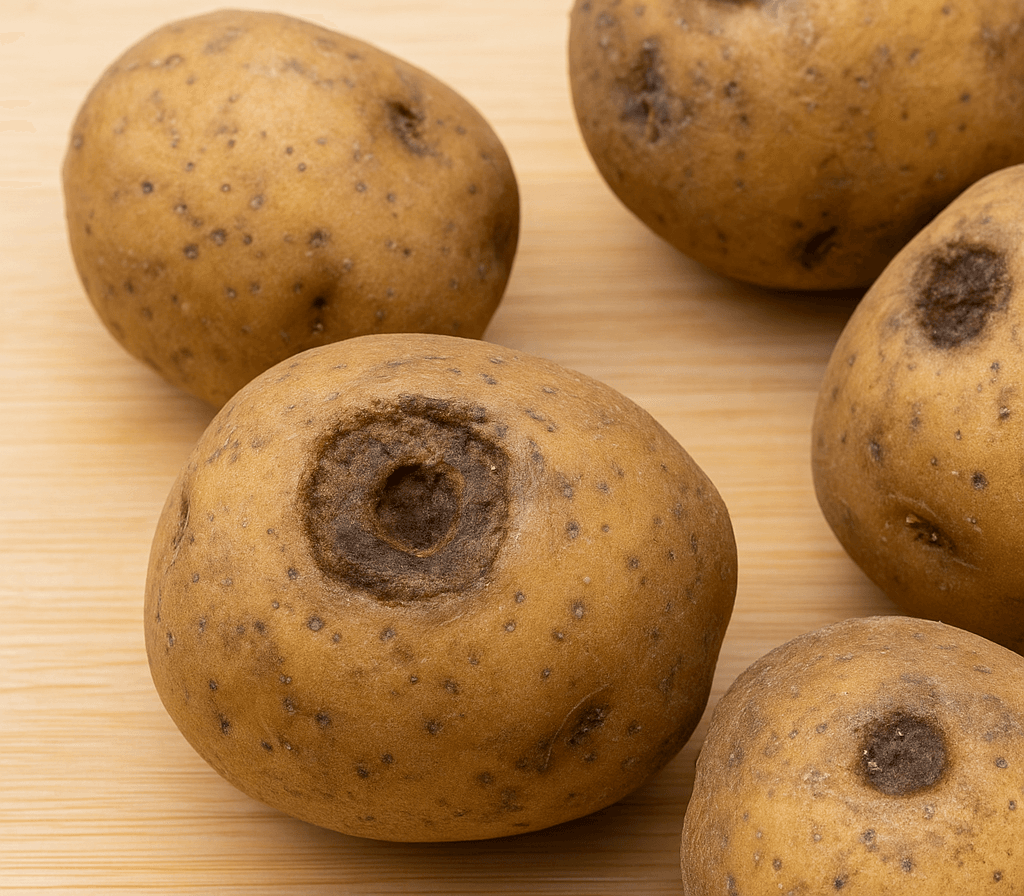
By the end of this two-year initiative, the team aims to:
- Develop a fully functional species-specific Fusarium detection kit
- Provide a dynamic dashboard integrating wounding scores and eDNA spore loads
- Enable cultural interventions such as targeted humidity reduction during spore flushes
- Minimize sorting costs (estimated at $170,000 per storage bay) and reduce rot-related waste
- Lay the foundation for on-site, portable test kits based on LAMP assays for producer use
This is the first known project to combine eDNA-based aerobiological surveillance with AI-based surface defect analysis for potato storage disease. Previous approaches either targeted only visible symptoms or relied on post-storage tuber sampling. Here, producers will gain predictive power, allowing proactive storage management and higher storage yield retention.
- Paramoria Agri-Science Inc.: Lead in assay development, spore monitoring, and project management
- Saiwa.ai: Development of real-time computer vision-based wounding detection and machine learning modules
- Blue-Sky Analytical Labs: Advanced toxin analysis using LC-MS/MS and validation of Fusarium impact via chemical profiling
An Agile development process ensures rapid feedback loops with participating potato producers across Southern Alberta. Insights from this project will be shared through local events such as the Irrigated Crop Production Update in Lethbridge, and pilot users will help shape the final product.
This collaborative ecosystem empowers producers with the tools and knowledge to fight a disease that has long eluded consistent control, transforming the way storage-related losses are predicted and managed.

Collaboration with
A U.S. County Weed Management Division

Funded by
Ontario Centre of Innovation (OCI)


Ordered by
Ducks Unlimited Canada (DUC)