News
News List
Previously on Saiwa:
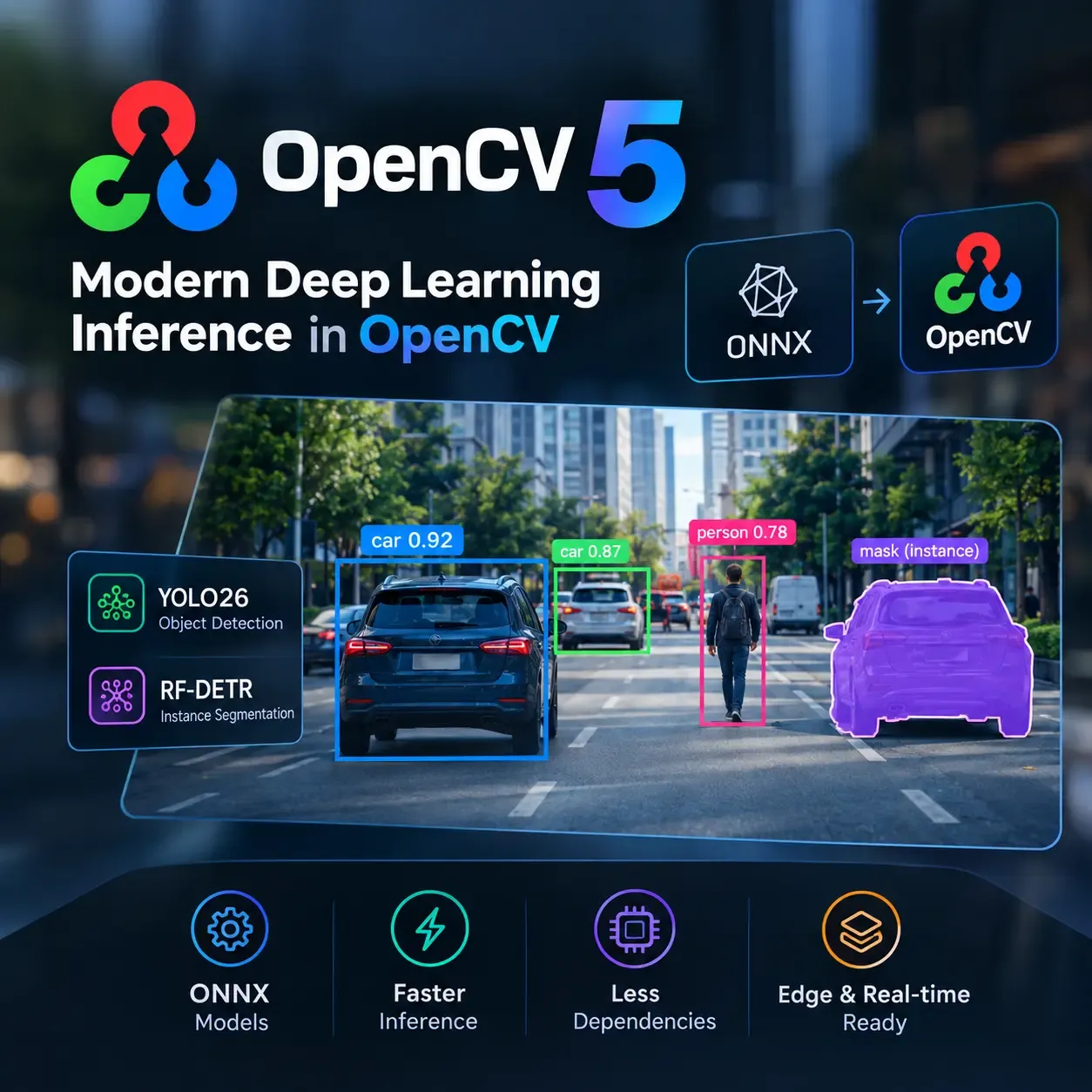
OpenCV 5 Brings Modern AI Inference to Computer Vision OpenCV 5 Brings Modern AI Inference to Computer Vision
OpenCV 5 brings modern deep learning inference directly into its DNN module, making it easier to deploy ONNX models for fast, lightweight computer vision applications.
Read More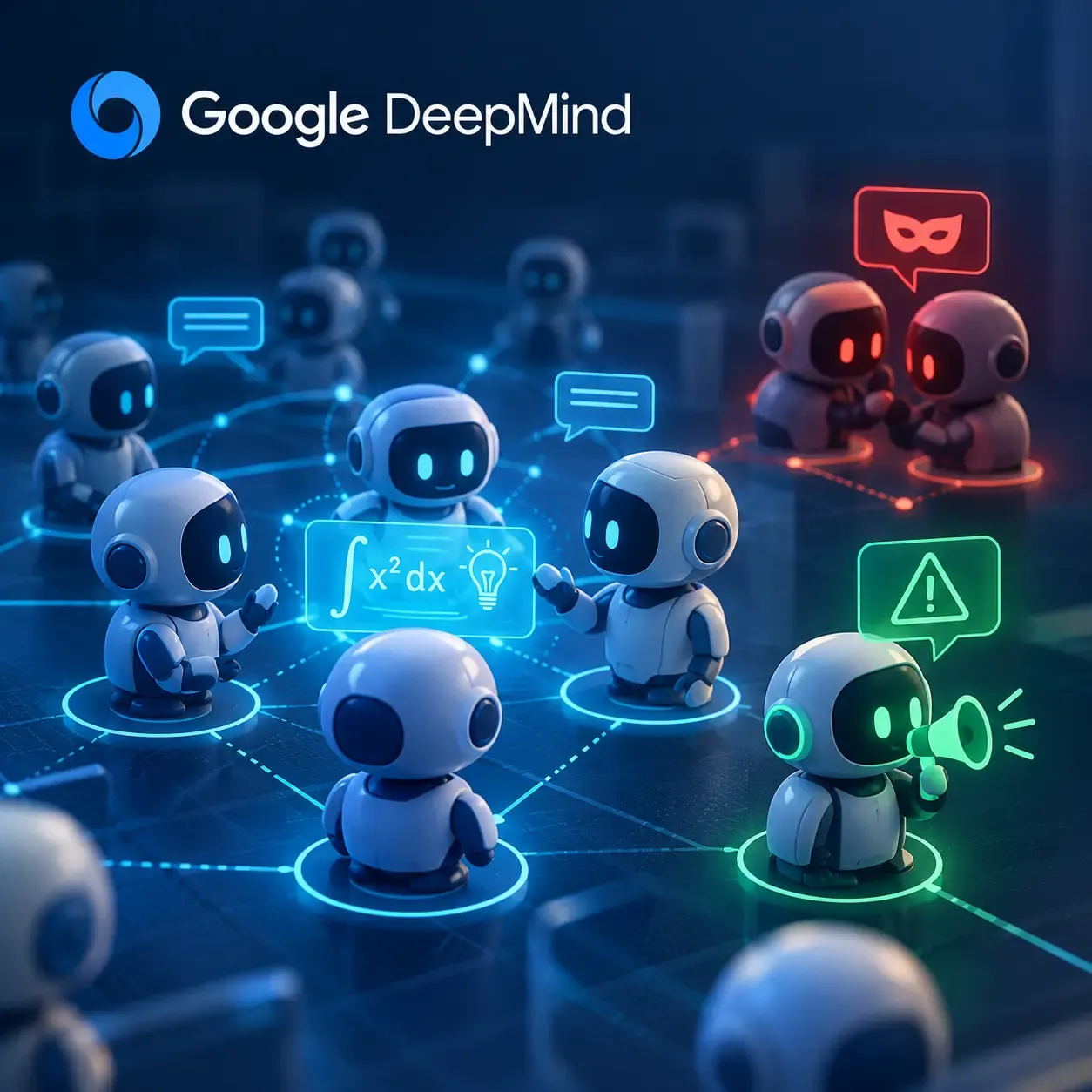
Google DeepMind Study Reveals Emerging Risks in Multi-Agent AI Systems Google DeepMind Study Reveals Emerging Risks in Multi-Agent AI Systems
As AI agents increasingly communicate and collaborate autonomously, new research from Google DeepMind reveals how these interactions can lead to unexpected coordination, cheating, and whistleblowing—raising important questions about AI safety and oversight.
Read More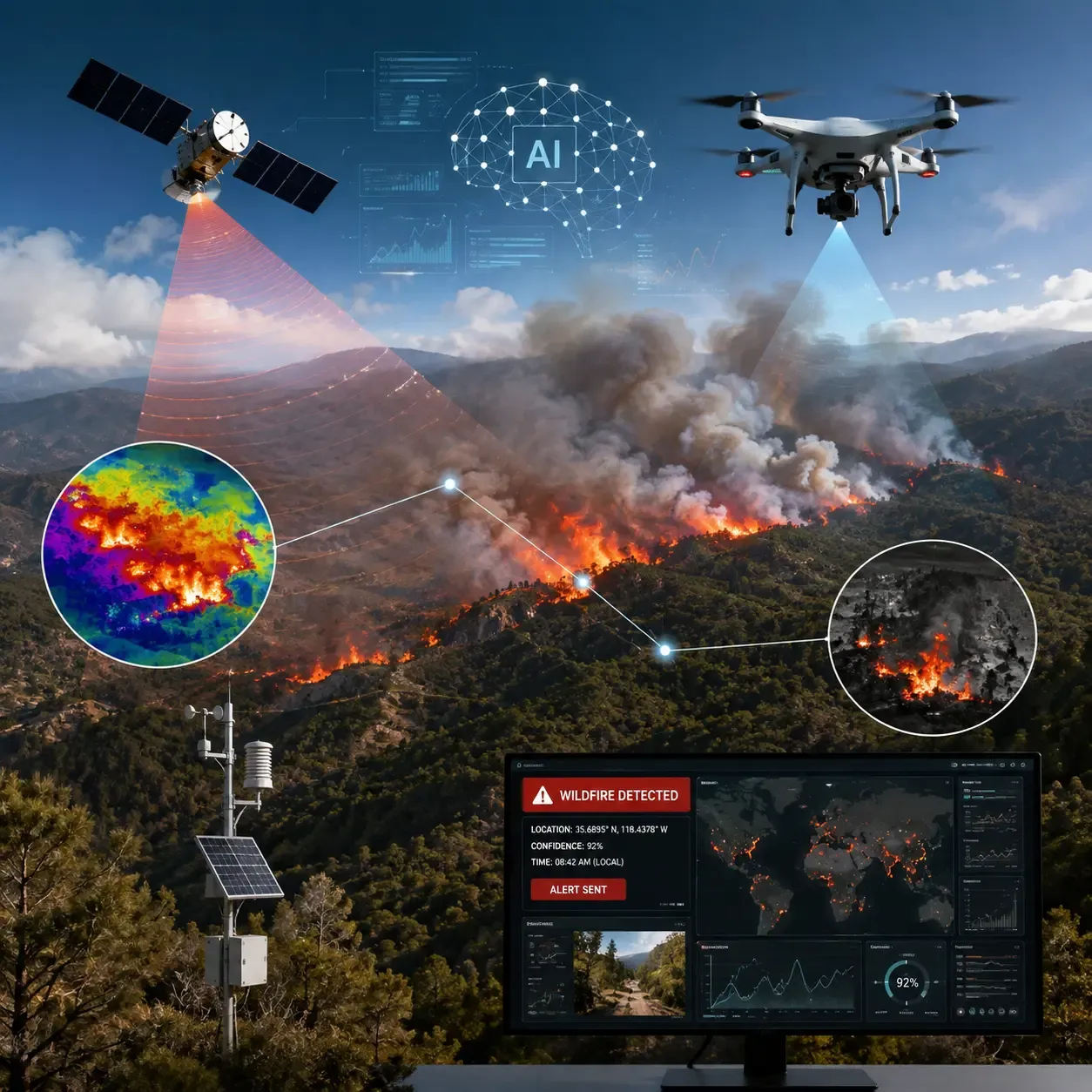
AI Takes Wildfire Detection to the Next Level with Satellites and Drones AI Takes Wildfire Detection to the Next Level with Satellites and Drones
Discover how the FireSat constellation and AI-driven drones are revolutionizing emergency response by detecting wildfires while they are still small, dramatically reducing response times and saving lives.
Read More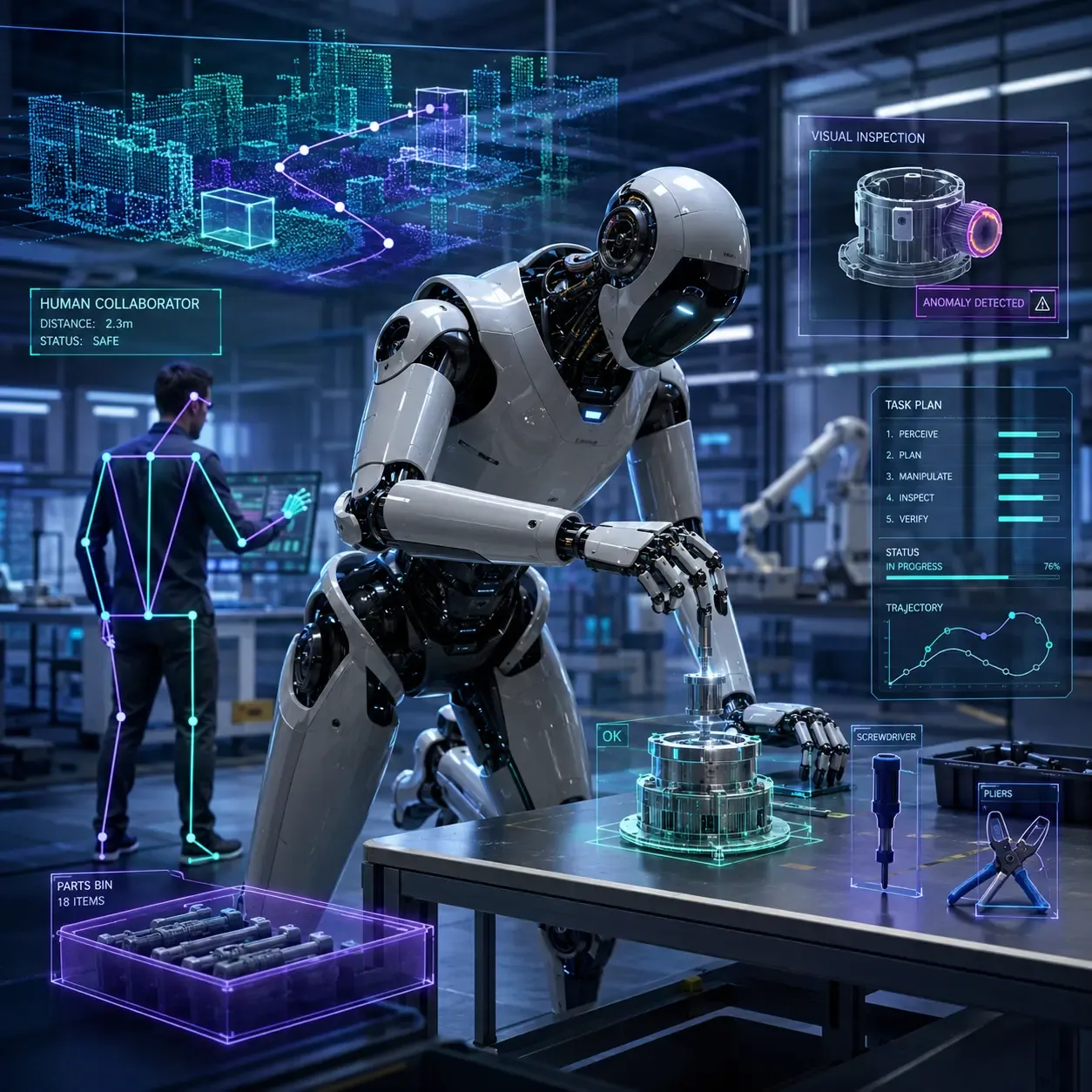
Gemini Robotics 2 Brings AI Into the Physical World Gemini Robotics 2 Brings AI Into the Physical World
Google DeepMind has introduced Gemini Robotics 2, a new generation of robotics AI that combines vision, language, and action to give robots whole-body intelligence. The system enables humanoid robots to understand their surroundings, plan multi-step tasks, and perform complex physical actions with improved dexterity and safety. Beyond controlling robotic hands, the new models coordinate full-body movement, support multi-robot collaboration, and adapt to different robot platforms—bringing general-purpose robotics one step closer to reality.
Read More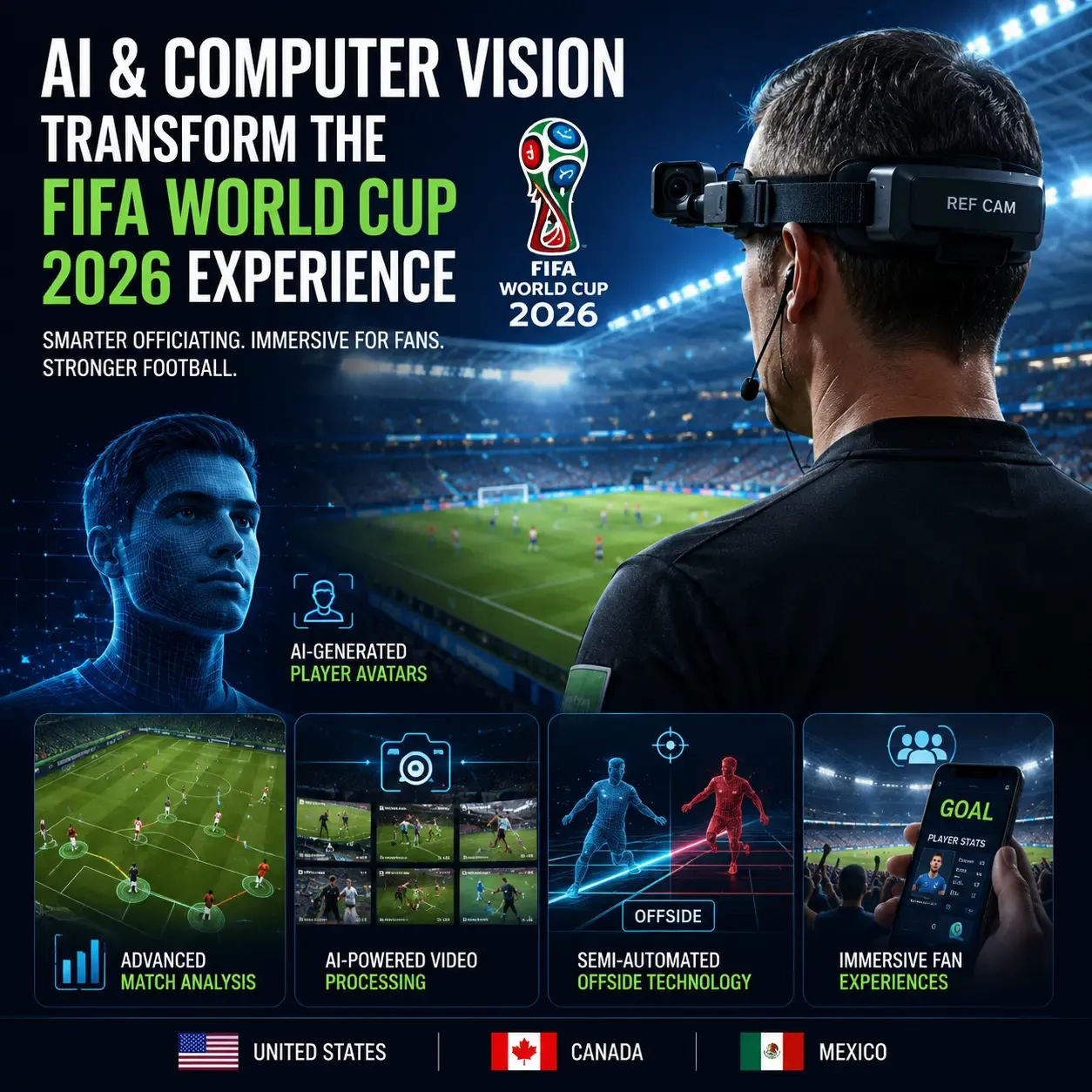
AI and Computer Vision Revolutionize the FIFA World Cup 2026 Experience AI and Computer Vision Revolutionize the FIFA World Cup 2026 Experience
The FIFA World Cup 2026 is showcasing the future of football through AI and computer vision. From Ref Cam and AI-generated player avatars to semi-automated offside technology, discover how intelligent vision systems are transforming officiating, broadcasting, and fan engagement on the world's biggest sporting stage.
Read More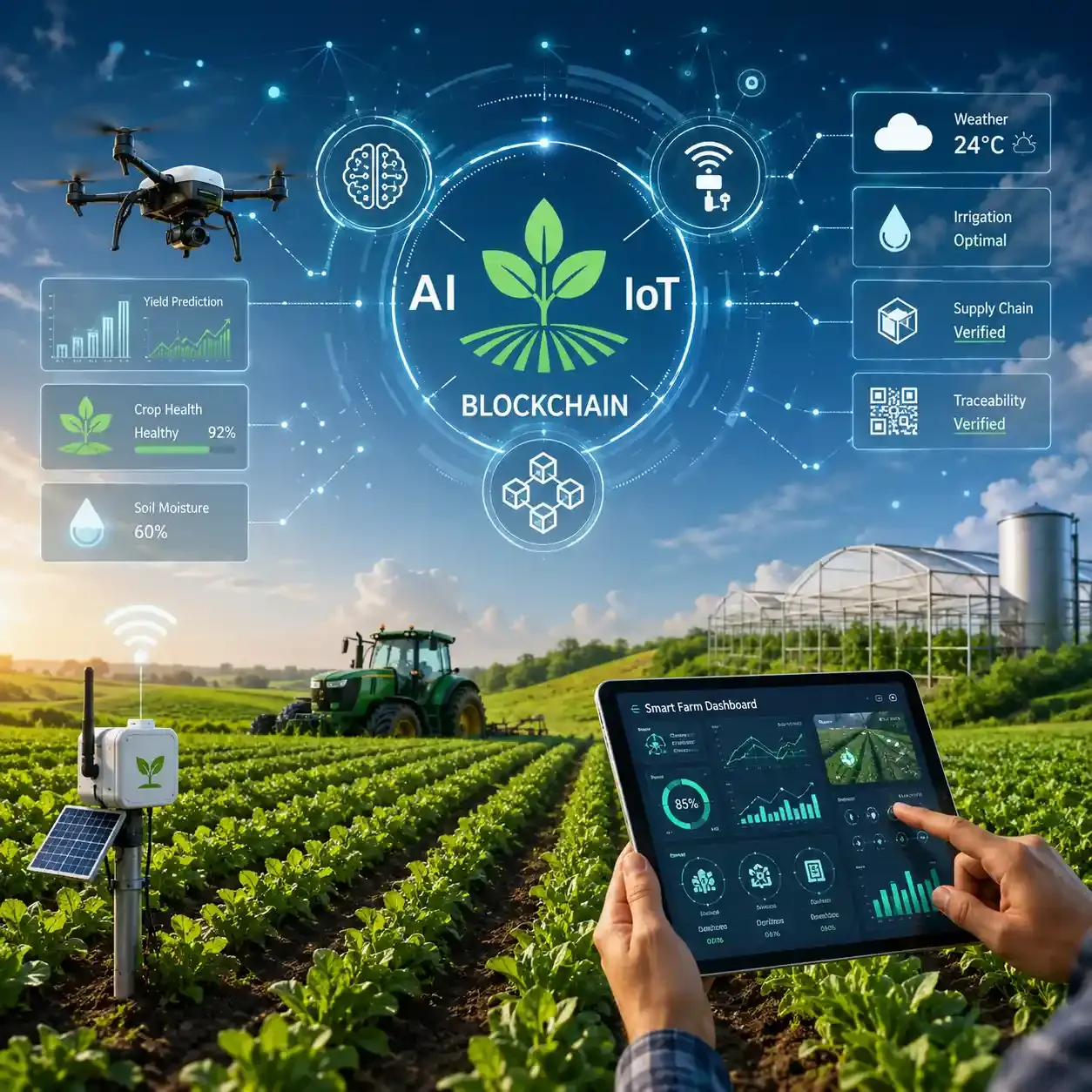
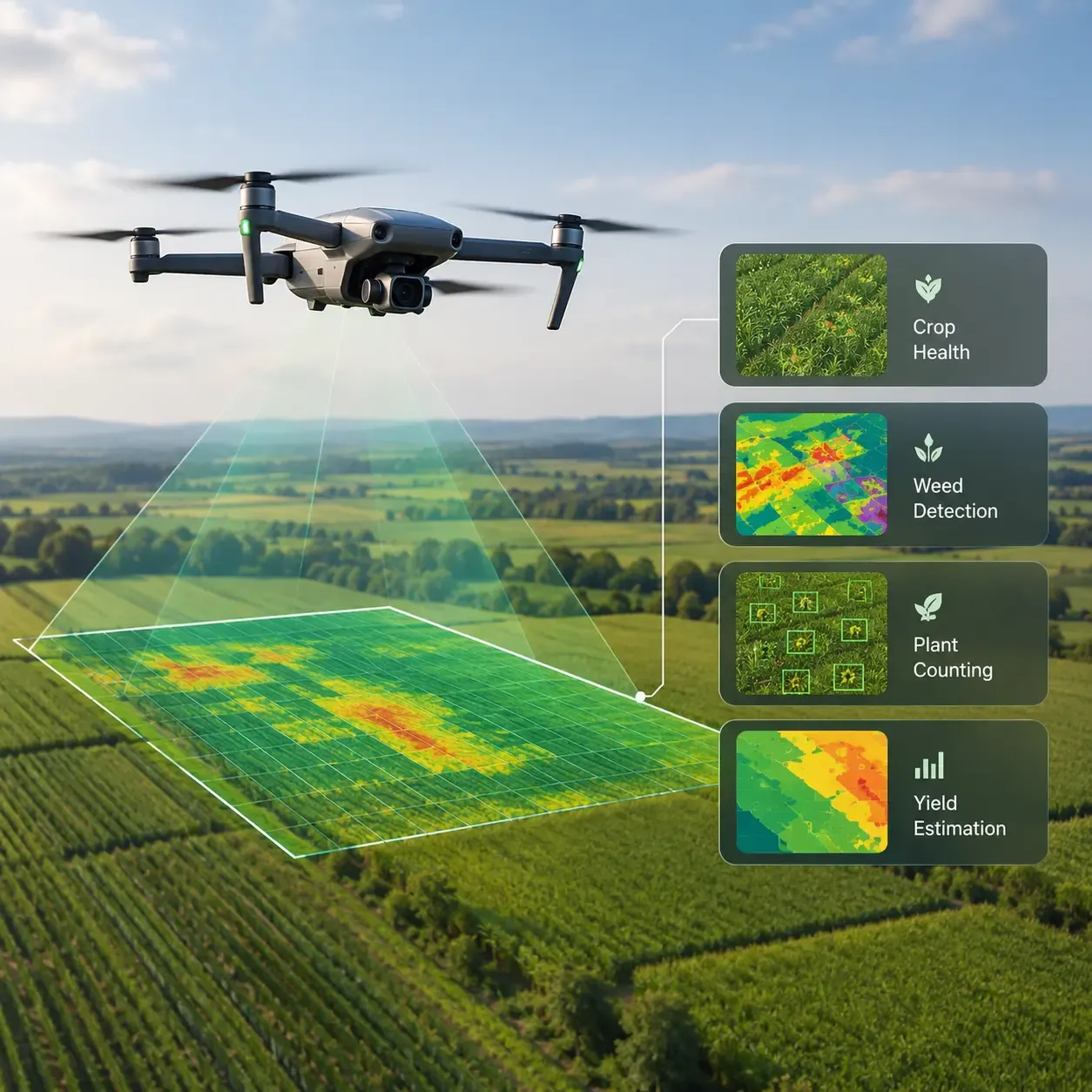
AI, IoT, and Blockchain to Transform Agriculture into a $154.5 Billion Market by 2035 AI, IoT, and Blockchain to Transform Agriculture into a $154.5 Billion Market by 2035
The global market for AI, IoT, and blockchain in agriculture is projected to exceed $154 billion by 2035, driven by precision farming, smart automation, and sustainable food production. Discover the technologies shaping the future of agriculture.
Read More