Computer vision–based bat monitoring solution
Development
Nov 17, 2025
Aug 10, 2026
Bats that nest in homes can cause damage over time. This can include wood decay and corrosion, damaged insulation, and a strong odour. There is also an increased risk of disease transmission due to the accumulation of their droppings and urine, which poses a health risk. In collaboration with Sam Watson Ecology, Saiwa is developing an AI model that uses computer vision to process videos and images and identify bats and their nests.
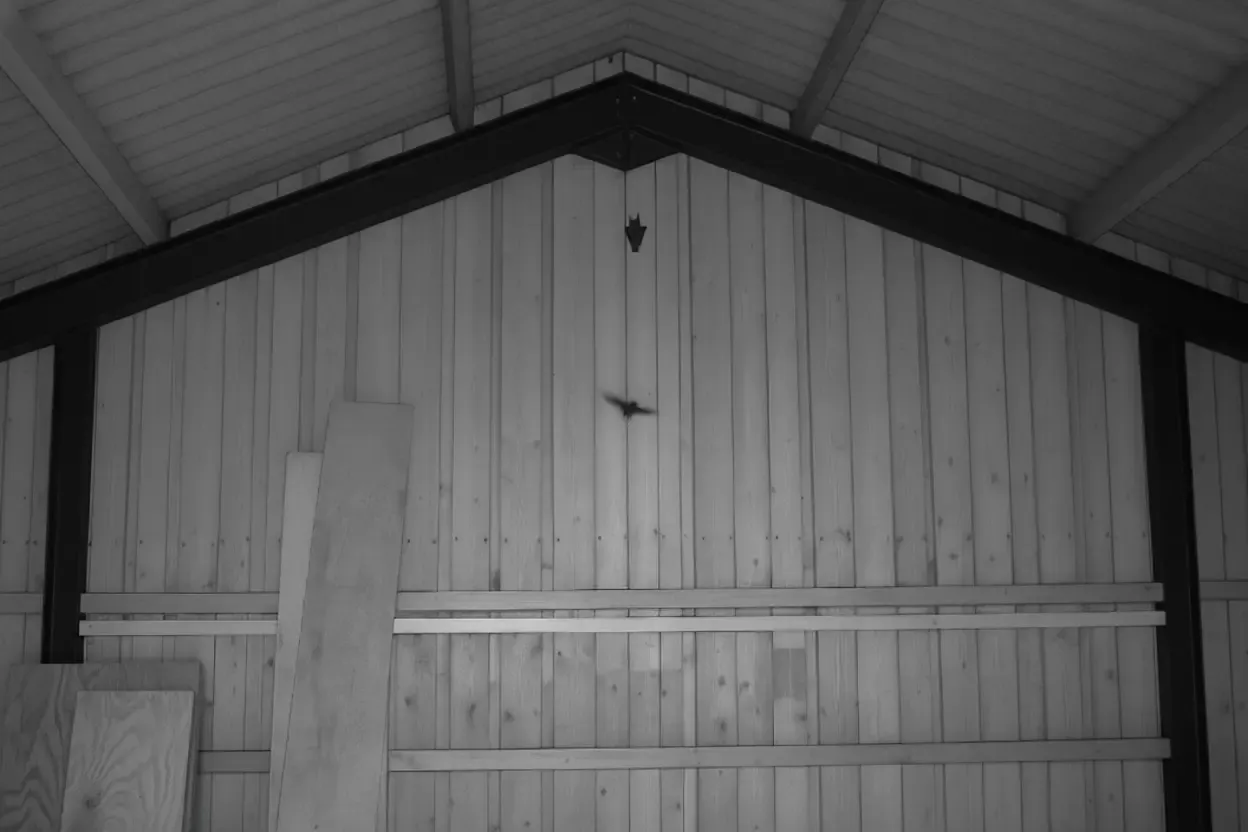
The solution developed by Saiwa's team is one of the first commercial solutions for detecting bats and their nests in residential areas, homes, and buildings using computer vision processing of fixed surveillance camera images and videos. The model is to be developed in a way that is cost-effective and easy-to-use for environmental protection agencies, research institutions, and industrial partners.
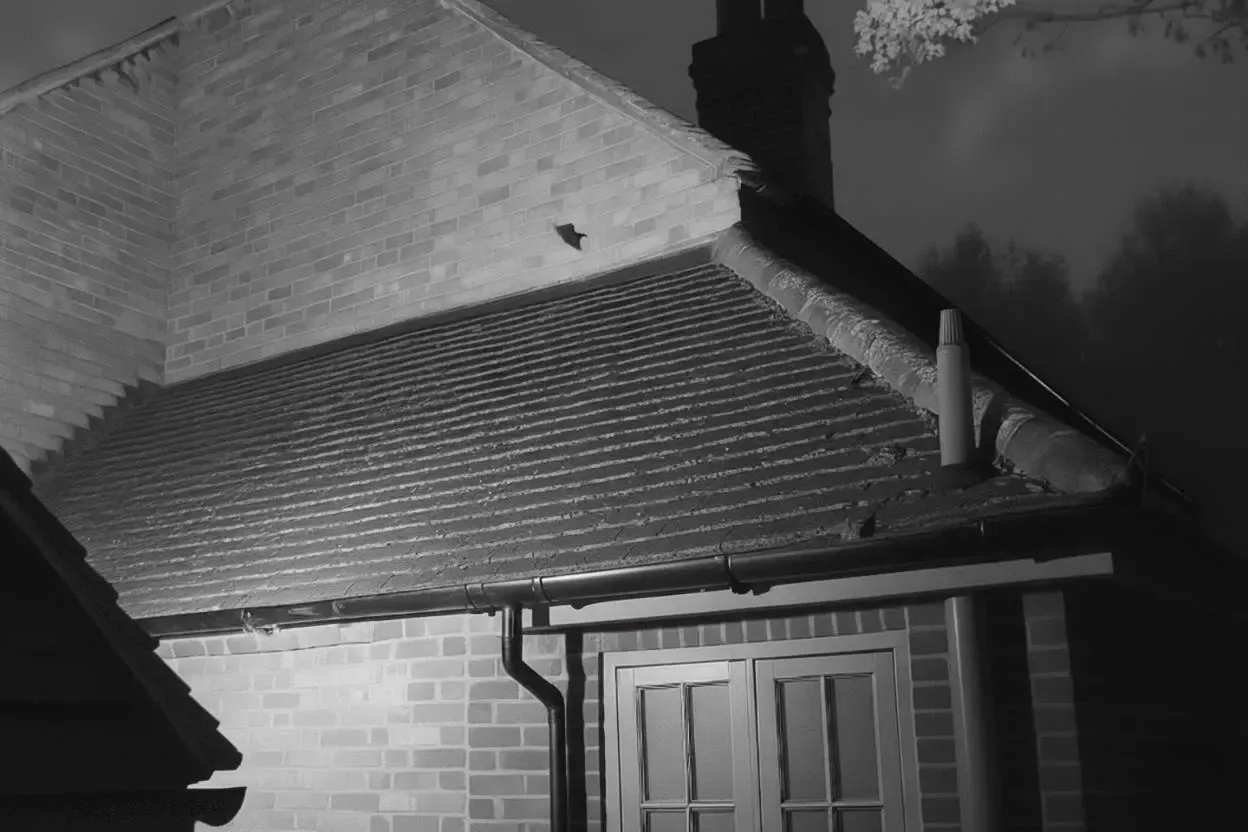
Sam Watson Ecology uses its equipment and cameras to collect suitable data, including high-quality images and videos, to train the model, and Saiwa's team uses that to develop a computer vision model that can process the data to identify bats and their nests and provide them in the form of downloadable reports.
The algorithm assumes a fixed camera at night, and has these steps:
The output is a map on the first frame with roost candidates, plus a video showing bats, their tracks, and a black-and-white motion mask.

Ordered by
Ducks Unlimited Canada (DUC)

Ordered by
Ducks Unlimited Canada
Ordered by
Ducks Unlimited Canada (DUC)
Ordered by
Ducks Unlimited Canada (DUC)