Oct 6, 2026
AI-Powered Crop Monitoring Takes a Step Forward with Drone Imagery
Discover how drone imagery, deep learning, and semantic segmentation are transforming crop monitoring and enabling more precise, data-driven agricultural decisions.
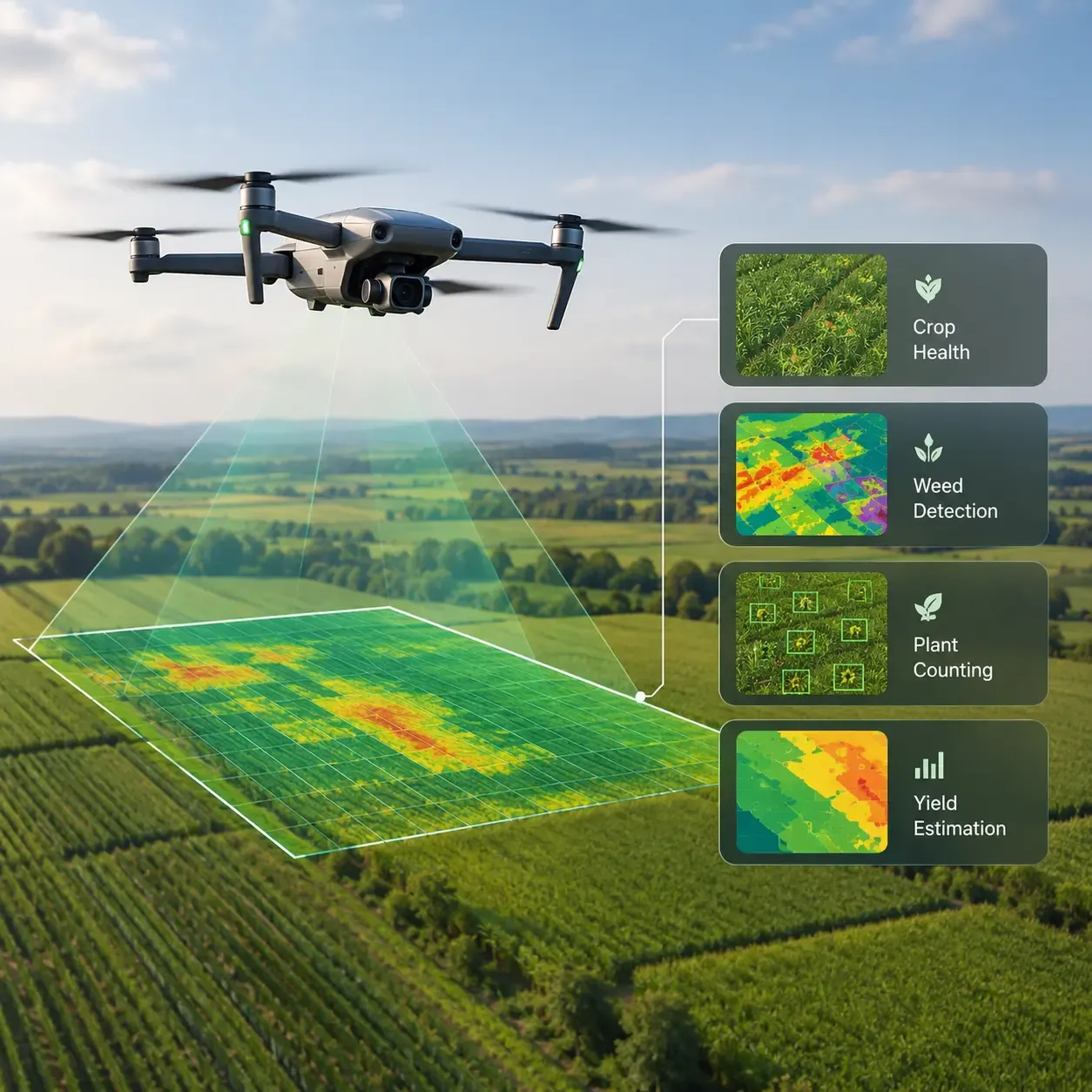
A new study published in Applied Sciences highlights how the combination of drone imagery and deep learning is advancing automated crop monitoring and precision agriculture.
The research presents an intelligent crop monitoring system that uses unmanned aerial vehicles (UAVs), high-resolution imagery, deep learning, and semantic segmentation to analyze agricultural fields and generate detailed information about crop conditions.
Unlike conventional monitoring approaches that rely heavily on manual field inspections, AI-powered systems can process large volumes of aerial imagery and identify patterns and areas that may require attention. Semantic segmentation is particularly valuable because it enables the system to identify not only agricultural features, but also their precise location and spatial boundaries.
From Images to Actionable Information
The study reflects a broader shift in agricultural AI: moving from simply detecting objects or conditions in images toward generating spatially precise, actionable information.
A typical workflow can connect several stages:
Drone imagery → Image processing → Deep learning → Segmentation → Spatial analysis → Decision support
Such systems could support applications including crop monitoring, weed detection, disease assessment, irrigation management, and yield estimation.
However, the researchers also highlight challenges that remain important for real-world deployment. AI models may perform differently across crops, locations, seasons, lighting conditions, and imaging configurations. The availability of high-quality annotated data and the ability of models to generalize to new environments remain key considerations.
The Future of Agricultural Computer Vision
The research demonstrates the growing potential of combining UAV technology with advanced computer vision to create more automated and scalable agricultural monitoring systems.
As agricultural operations generate increasing amounts of visual data, the challenge is shifting from collecting images to turning those images into reliable intelligence. AI systems capable of connecting image analysis with spatial information and decision support could play an increasingly important role in precision agriculture.
For the agricultural technology sector, this represents an important step toward more continuous, data-driven monitoring of crops and agricultural environments.
Reference
Tryhuba, A., et al. (2026). Intelligent Automated Crop Monitoring System Based on Unmanned Aerial Vehicles and Deep Learning for Smart Agriculture. Applied Sciences, 16(19), 9747.
More from the newsroom
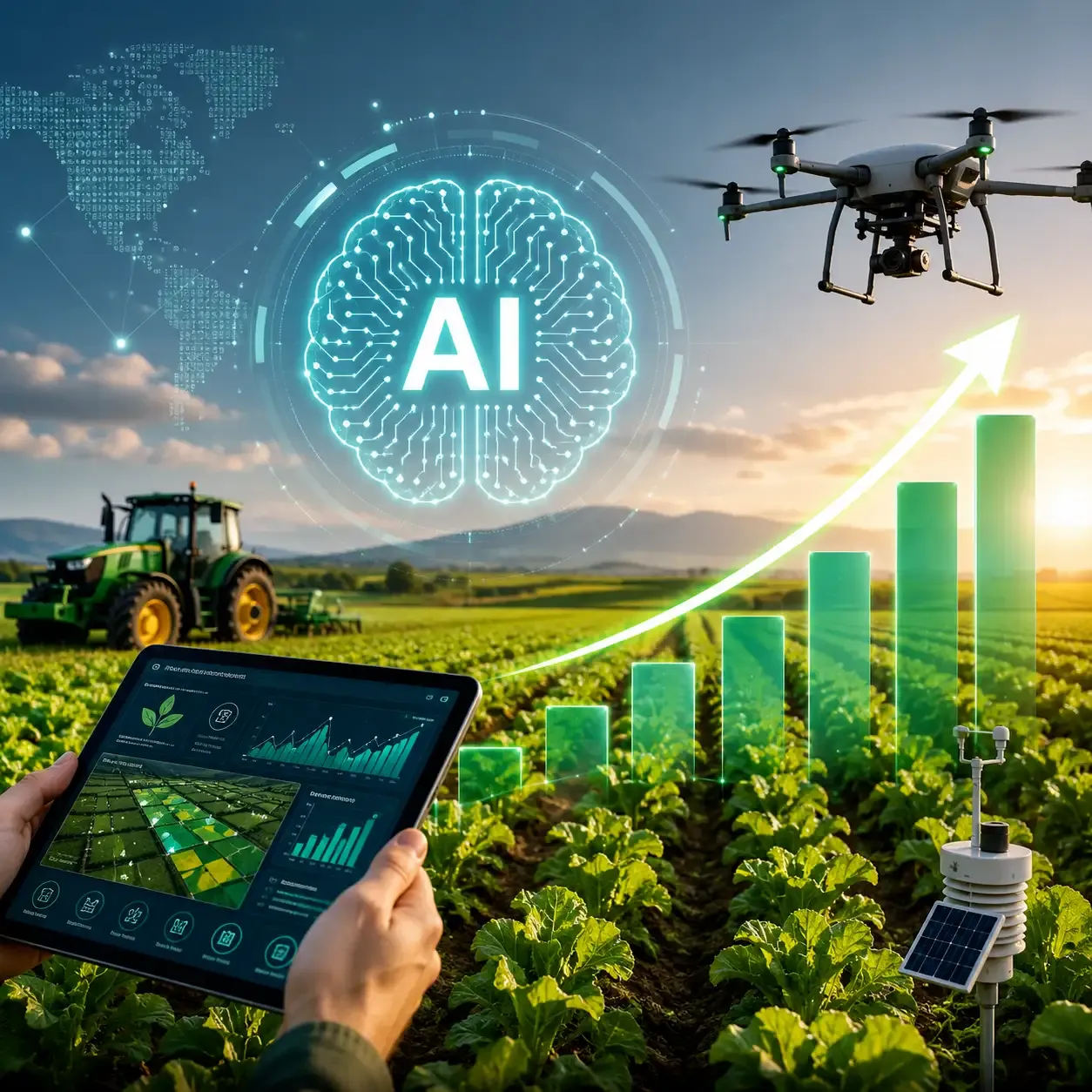
AI in Agriculture Market Expected to Reach $24.55 Billion by 2035
Artificial intelligence is transforming agriculture at an unprecedented pace. A new market report forecasts the industry will grow from $2.78 billion in 2025 to $24.55 billion by 2035, fueled by climate challenges, labor shortages, and the rising demand for smarter farming technologies. Discover the key trends driving this remarkable growth.
Artificial IntelligenceAgriculturePrecision AgricultureRead more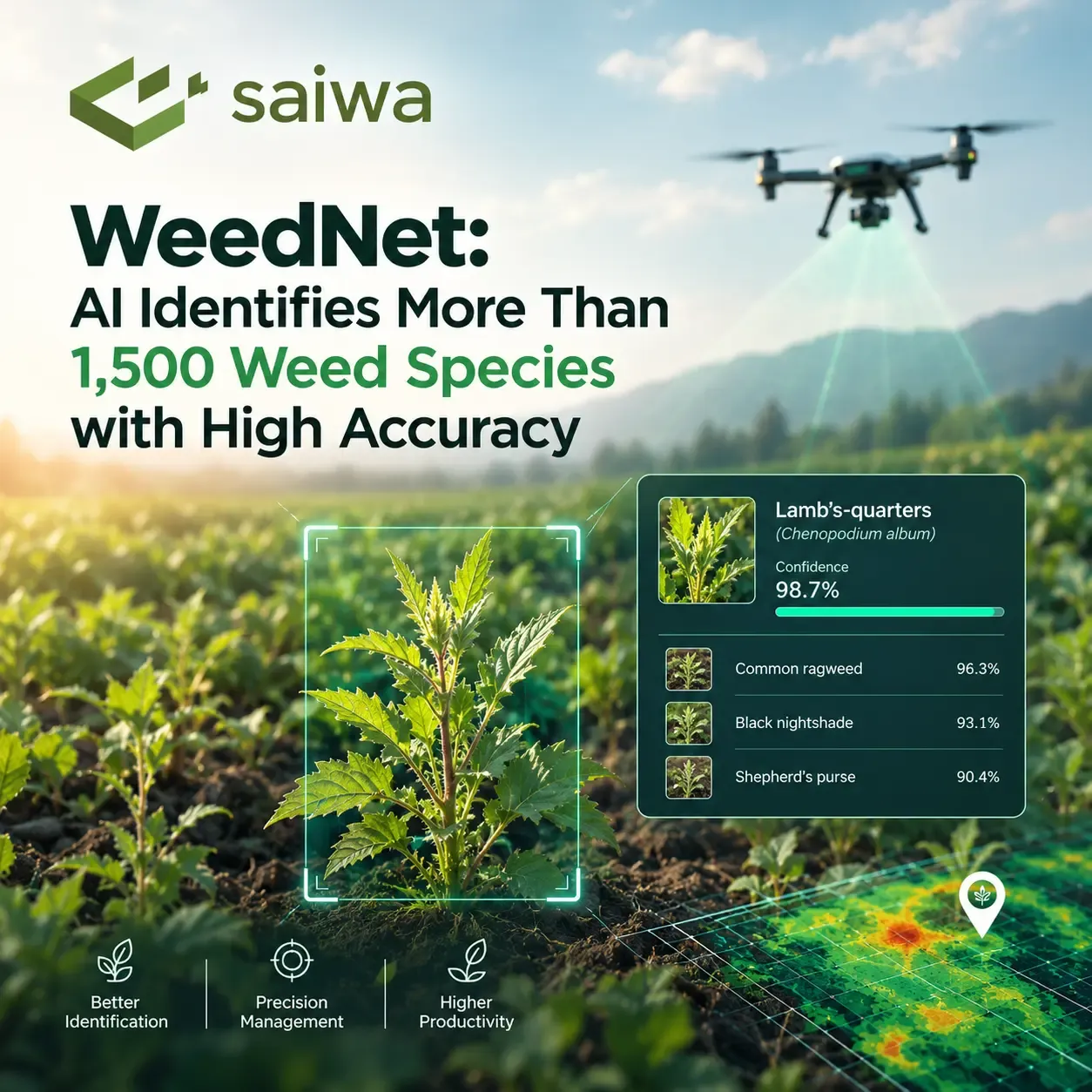
WeedNet AI Identifies More Than 1,500 Weed Species with High Accuracy
A new AI framework called WeedNet can identify over 1,500 weed species with 91% accuracy—and up to 97% when adapted to local regions. Published in Nature Communications, the model could power precision spraying, robotic weed removal, and smarter farm monitoring.
Precision AgricultureArtificial IntelligenceComputer VisionRead more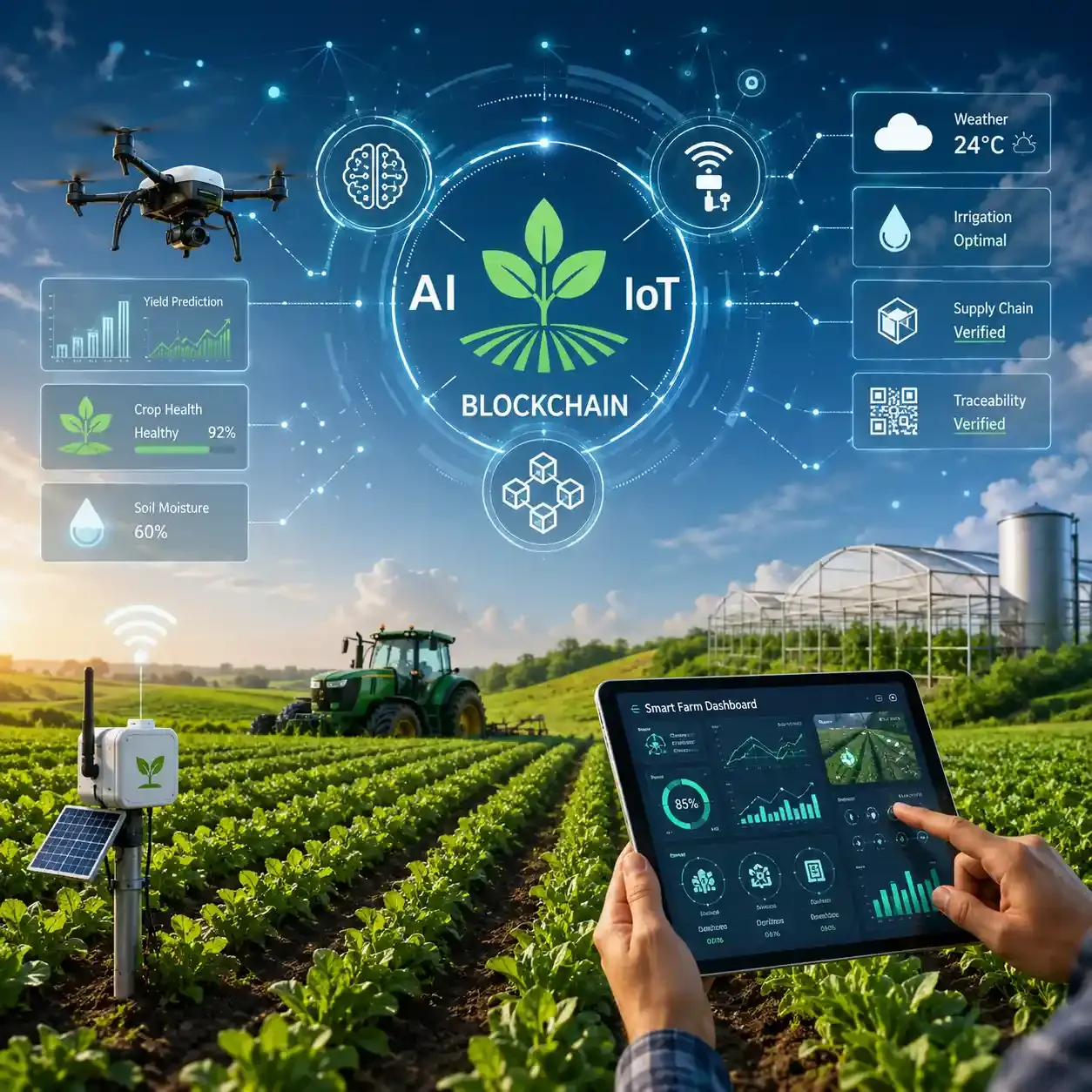
AI, IoT, and Blockchain to Transform Agriculture into a $154.5 Billion Market by 2035
The global market for AI, IoT, and blockchain in agriculture is projected to exceed $154 billion by 2035, driven by precision farming, smart automation, and sustainable food production. Discover the technologies shaping the future of agriculture.
Artificial IntelligencePrecision AgricultureCrop MonitoringRead more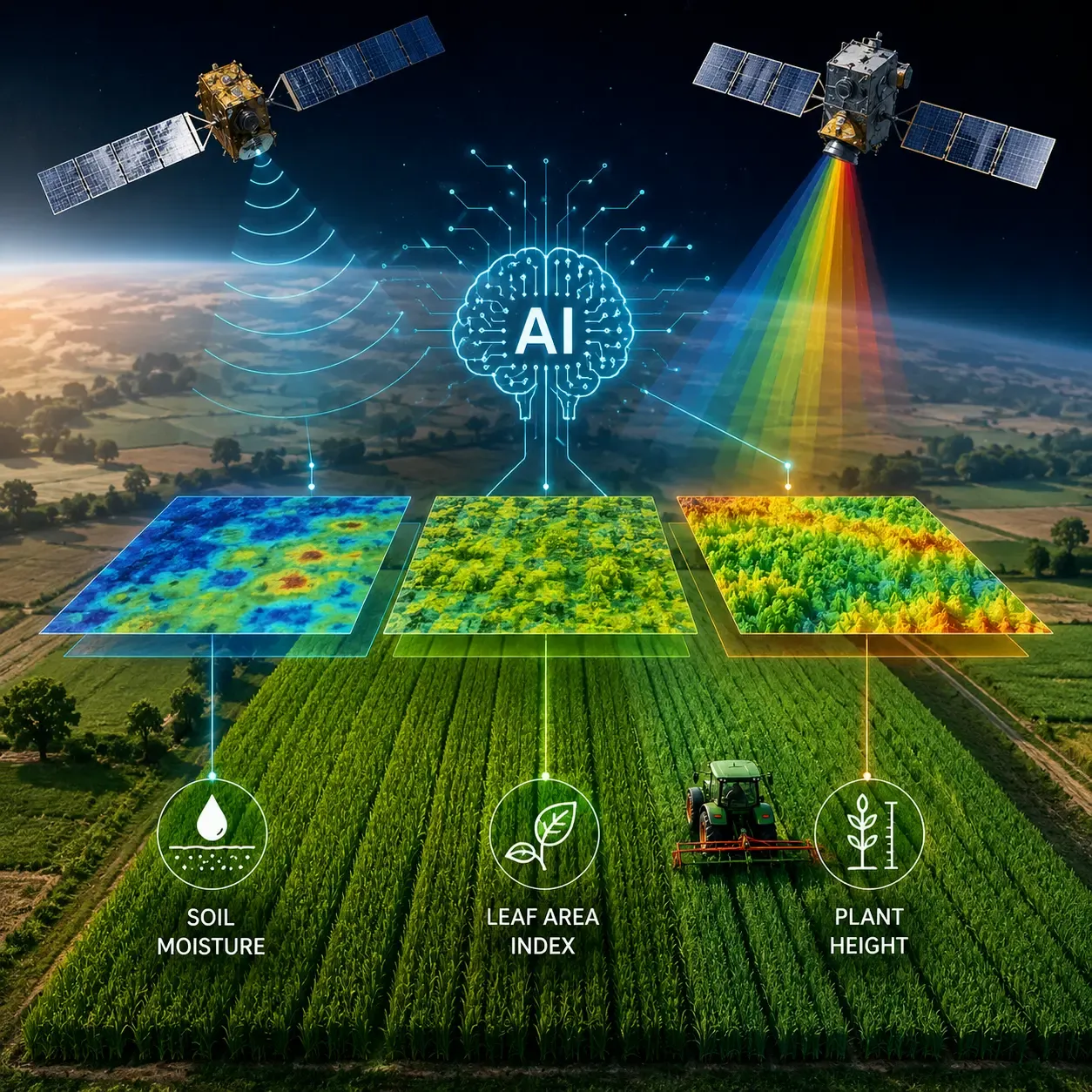
New AI Transformer Model Enhances Crop Monitoring with Satellite Data
A newly developed AI model combines radar and optical satellite imagery to improve crop monitoring accuracy, offering new possibilities for precision agriculture and data-driven farm management.
Artificial IntelligencePrecision AgricultureCrop MonitoringRead more
Get Ready for GPT-5: What’s Coming in August
OpenAI is preparing to release GPT-5 in early August, promising smarter, more efficient reasoning and multimodal capabilities.
Artificial IntelligenceDeep LearningOpenAIRead more
Alibaba Launches Qwen2.5-Max: A Game-Changer in AI, Beats DeepSeek-V3?
Qwen2.5-Max is a high-performance Mixture-of-Experts (MoE) language model designed for developers and researchers. It offers efficient scaling, strong benchmarking results, and superior adaptability using techniques like SFT and RLHF. Competing with top models like GPT-4o and DeepSeek V3, it powers AI applications, coding tasks, and human preference evaluations.
Deep LearningArtificial IntelligenceAIRead more
Comments
Be the first to share your thoughts
No comments yet
Start the conversation by sharing your thoughts