All projectsDelivered

Advancing UAV-based EWC surveillance

Advancing UAV-based EWC surveillance
Timeline
Jul 2023 – Feb 2024
Industry
Platform
Country
Technology

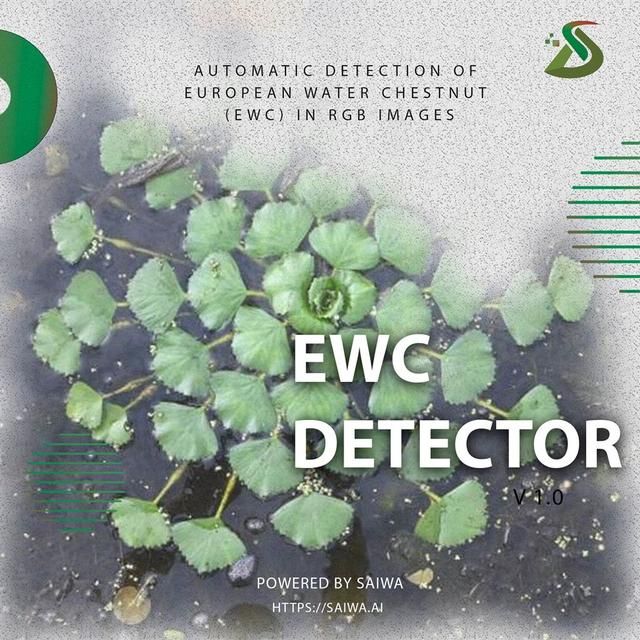
To enhance Ducks Unlimited Canada (DUC)‘s capability for UAV-based surveillance of European Water Chestnut (EWC) through machine learning, we at Saiwa have previously implemented the initial version of the EWC detector software. In the second stage, we are in the process of finalizing the product’s features and upgrading its interfaces. 

Problem

Using the software saved a lot of time. However, it was possible to further optimize the software to reduce false positive and false negative detections to increase efficiency.

Solution

Incremental learning capabilities were added to the software, allowing the artificial intelligence algorithms to improve their detection accuracy over time and minimize false detections. Additionally, the integration of GPS data has enabled the software to report three-dimensional global coordinates of the European water chestnut locations, greatly facilitating the DUC staff’s ability to locate invasive plant species with ease.

Outcome

With the addition of incremental learning, the software has been able to achieve near 100% accuracy in detection, significantly reducing false positives and negatives. Moreover, by utilizing GPS data, the software now reports three-dimensional global coordinates of the European water chestnut locations, enabling DUC staff to locate invasive plant species more accurately than before. These advancements aid DUC in more effectively combating this invasive species and preserving aquatic ecosystems.

Read Also: Corrective Exercise mobile application

Project customer: Duck Unlimited Canada Company
For more information please contact us via: info@saiwa.ai

Share this project

Help others discover this work
Related Projects

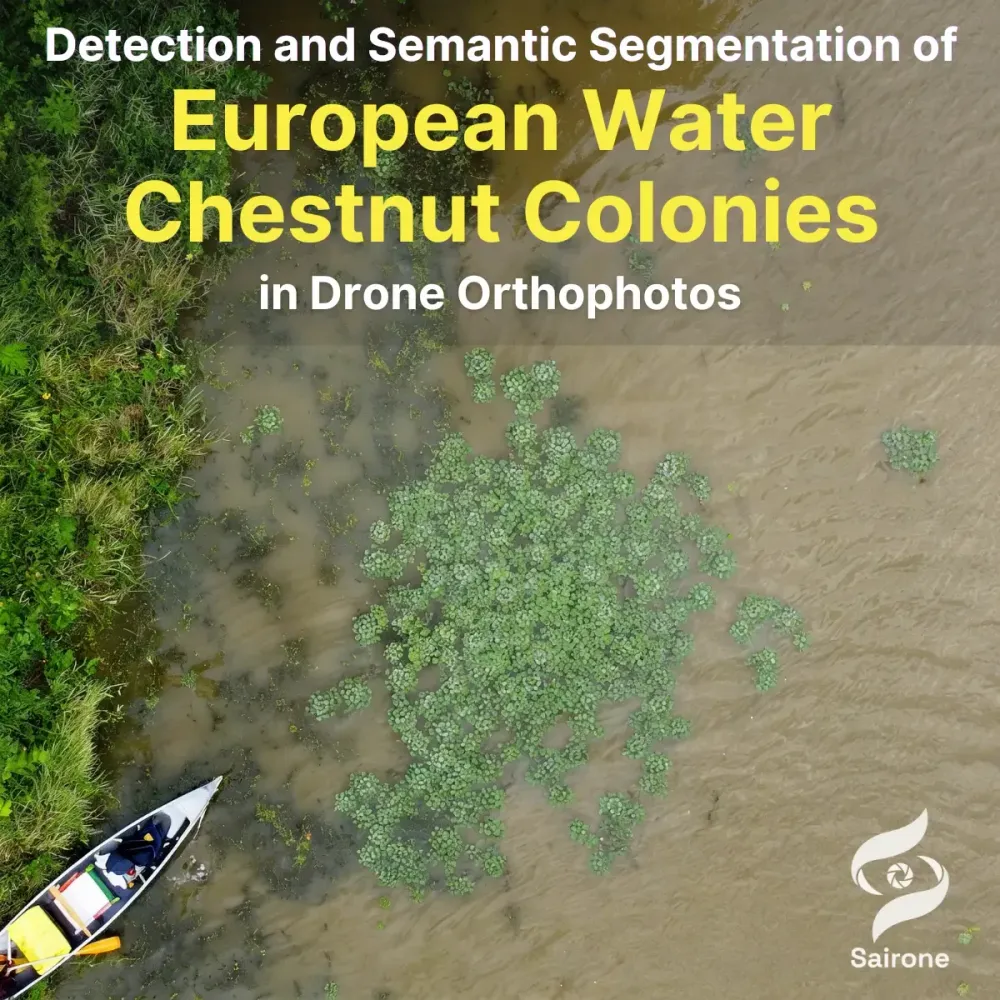
  • Detection and Semantic Segmentation of European Water Chestnut Colonies in Drone Orthophotos
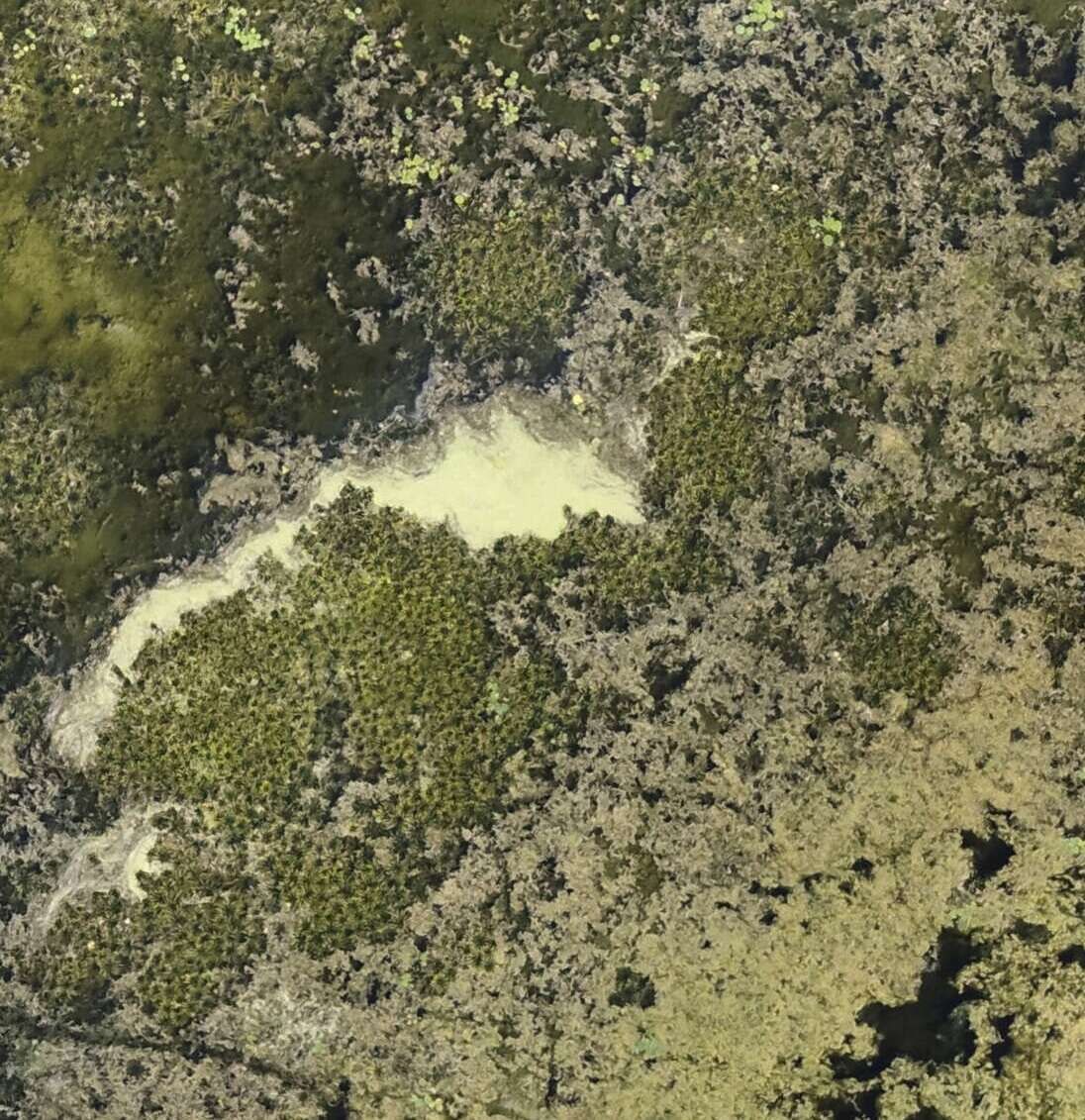
    In 2026, Saiwa continues its collaboration with Ducks Unlimited Canada (DUC) to advance drone-based monitoring of invasive aquatic vegetation. Building on previous phases focused on segmentation accuracy and geospatial localization, this phase introduces enhanced pixel-level semantic segmentation of European Water Chestnut (EWC) to enable detailed mapping of both individual plants and dense colonies across diverse aquatic environments.
  • Detection and Surveillance of European Water Chestnut
    European water chestnut (Trapa natans) is an invasive floating-leaved aquatic plant that is capable of out-competing native species and altering Ontario’s aquatic ecosystems. In addition to ongoing control of known populations in Ontario, this species is designated as a “Prohibited Species” in Ontario under the Invasive Species Act, 2015 to aid in prevention, detection and control of the species. Ducks Unlimited Canada (DUC) performs surveillance and control of this species in eastern Ontario in attempts to eradicate existing populations and prevent the establishment of new ones.
  • Multispectral Submersion Classification of Water Soldier in Drone Imagery
    In 2026, Saiwa continues its collaboration with Ducks Unlimited Canada (DUC) to further enhance drone-based monitoring of invasive aquatic vegetation. Building on last year’s high-accuracy RGB-based Water Soldier detection pipeline, this new phase focuses specifically on determining whether each detected plant is located above or below the water surface.
  • Detect Water Soldier RGB Drone Monitoring And Tracking
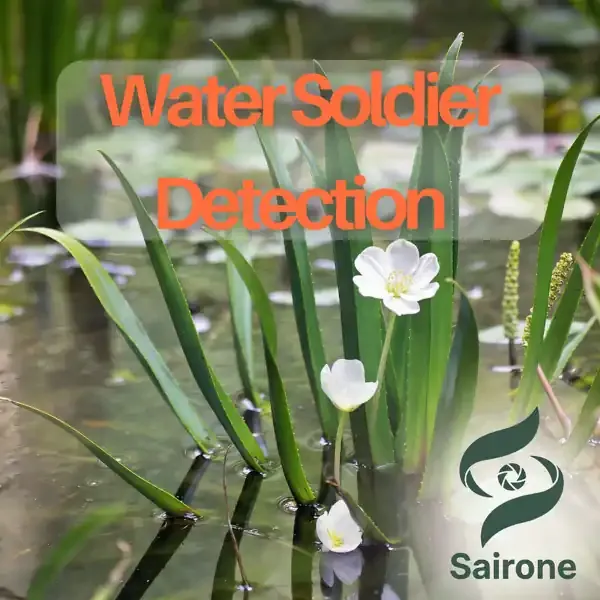
    In late 2024, Saiwa Co and Ducks Unlimited Canada launched a project to enhance UAV-based detection and surveillance of the invasive aquatic plant Water Soldier (Stratiotes Aloides) using advanced image processing and deep learning. The team addressed challenges from dense and submerged vegetation, environmental noise, and irregular plant shapes by reformulating the task as semantic segmentation. The project delivered a robust model achieving 95.52% pixel accuracy, enabling accurate monitoring of both isolated plants and dense colonies, supporting early intervention, efficient management, and a scalable foundation for future multispectral enhancements.
  • Phragmites Detector – AI-Powered Invasive Species Monitoring in Wetlands
    Phragmites Detector is an AI-driven system that uses drone imagery and adaptive machine learning to identify and track invasive Phragmites in wetlands. Designed for conservation groups, it offers scalable, accurate, and user-friendly tools for early detection, monitoring, and ecological reporting.
  • AI Powered Date Palm Monitoring & Analysis
    Hemaa.ai, in partnership with Tarmeez, delivers an AI-powered solution for date palm plantations that enables early health monitoring, precise tree counting, and targeted weed detection using drone and satellite imagery. Leveraging advanced deep learning models, this platform enhances operational efficiency, reduces costs, and promotes sustainable agriculture through timely alerts and accurate spatial data mapping.