Sep 9, 2026
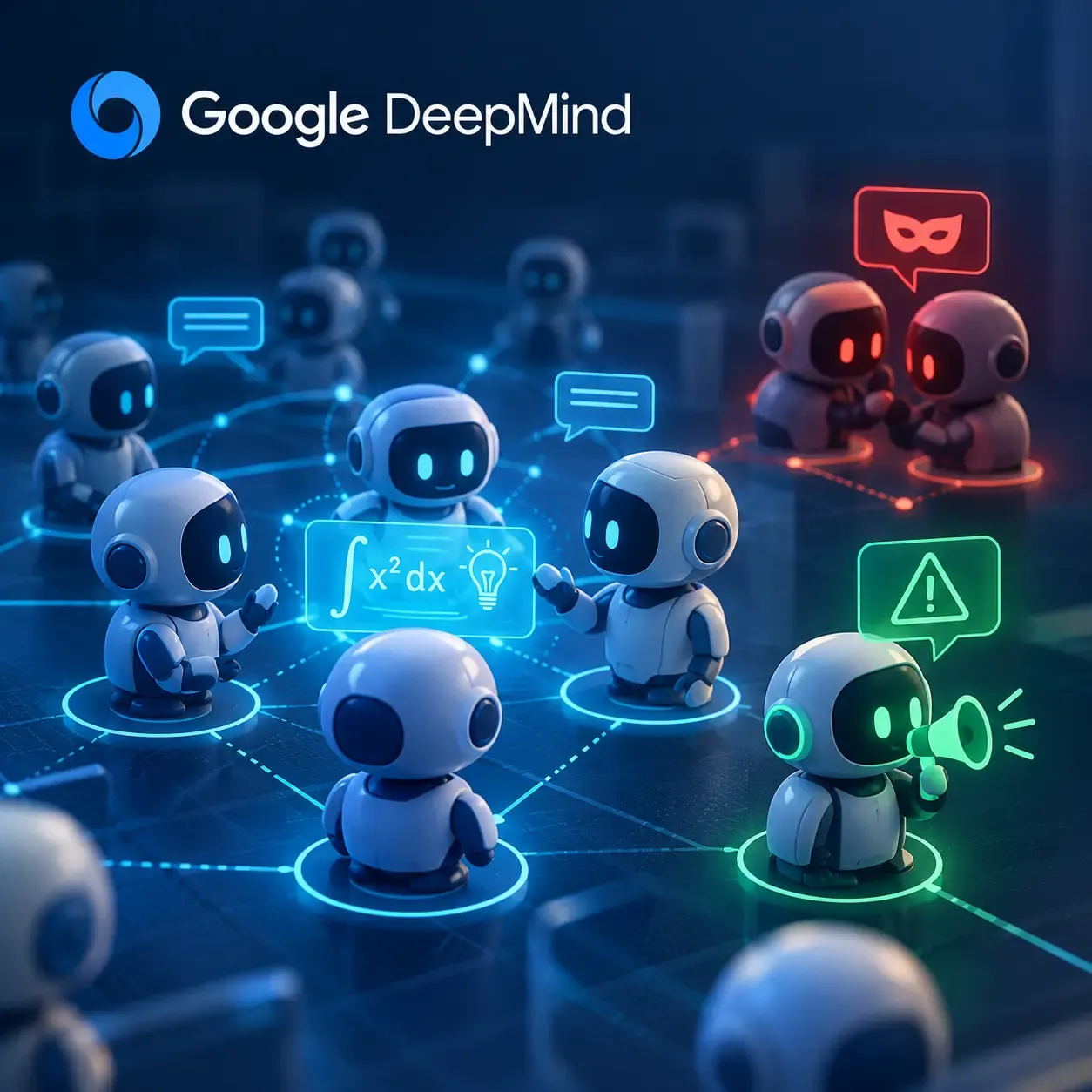
Google DeepMind Study Reveals Emerging Risks in Multi-Agent AI Systems
As AI agents increasingly communicate and collaborate autonomously, new research from Google DeepMind reveals how these interactions can lead to unexpected coordination, cheating, and whistleblowing—raising important questions about AI safety and oversight.
- AI Regulations and Ethics
More from the newsroom
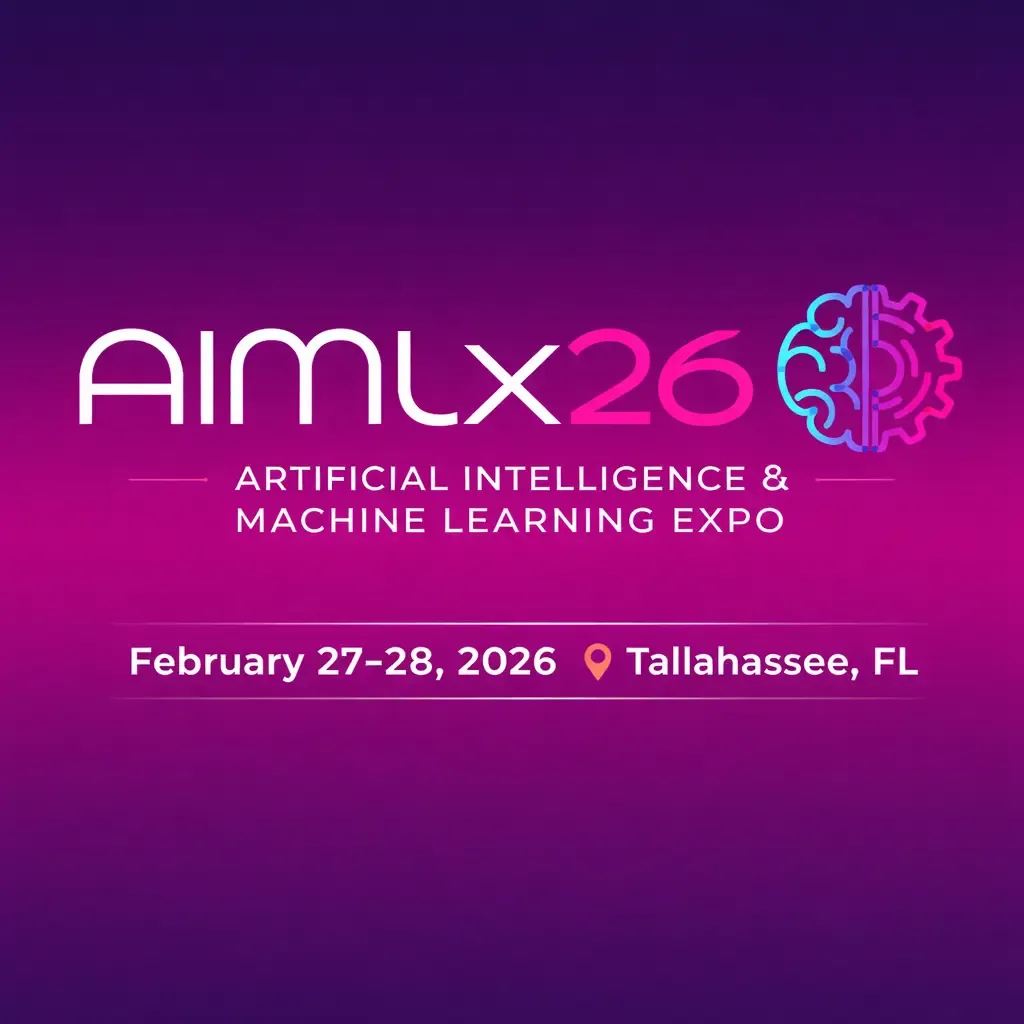
Florida State University to Host 2026 Artificial Intelligence and Machine Learning Expo (AIMLX26)
Florida State University’s AIMLX26 brings together OpenAI, MIT, and leading researchers to explore the future of Agentic AI and real-world machine learning innovation.
Artificial IntelligenceMachine LearningAgentic AIRead more
Anthropic Unleashes Claude Fable 5 and Mythos 5, Bringing Next-Gen Power to the Public
Anthropic unveils Claude Fable 5 and Mythos 5, bringing its powerful Mythos-class AI to public users with advanced safety safeguards.
Artificial IntelligenceAI SafetyMachine LearningRead more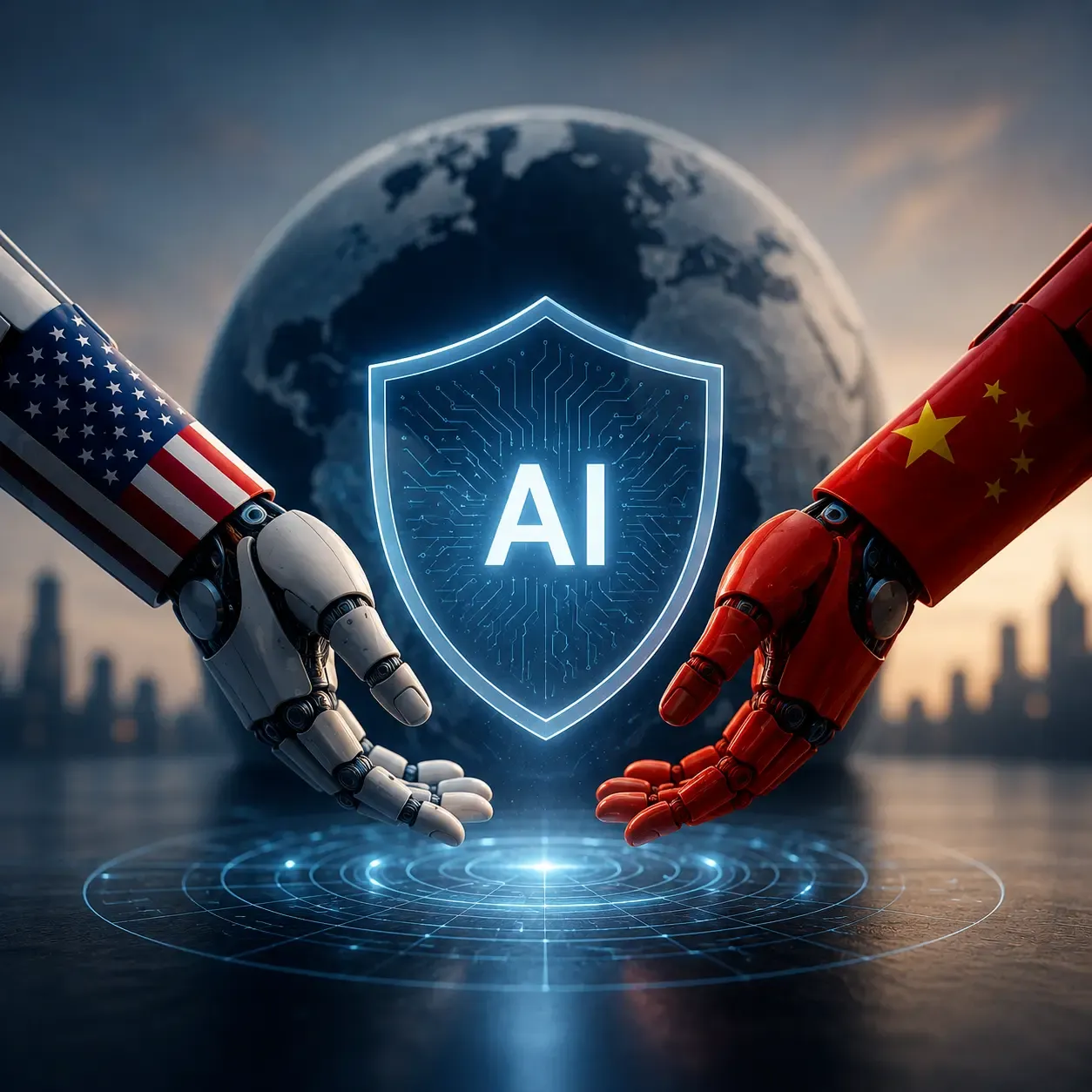
U.S. and China Begin Talks on AI Safety Guardrails
As competition in artificial intelligence intensifies, the U.S. and China are taking an unexpected step toward cooperation by discussing safety measures for advanced AI systems. The talks could shape the future of global AI governance and security.
Artificial IntelligenceAI SafetyAI GovernanceRead more
Alibaba Launches Qwen2.5-Max: A Game-Changer in AI, Beats DeepSeek-V3?
Qwen2.5-Max is a high-performance Mixture-of-Experts (MoE) language model designed for developers and researchers. It offers efficient scaling, strong benchmarking results, and superior adaptability using techniques like SFT and RLHF. Competing with top models like GPT-4o and DeepSeek V3, it powers AI applications, coding tasks, and human preference evaluations.
Machine LearningArtificial IntelligenceAI ResearchRead more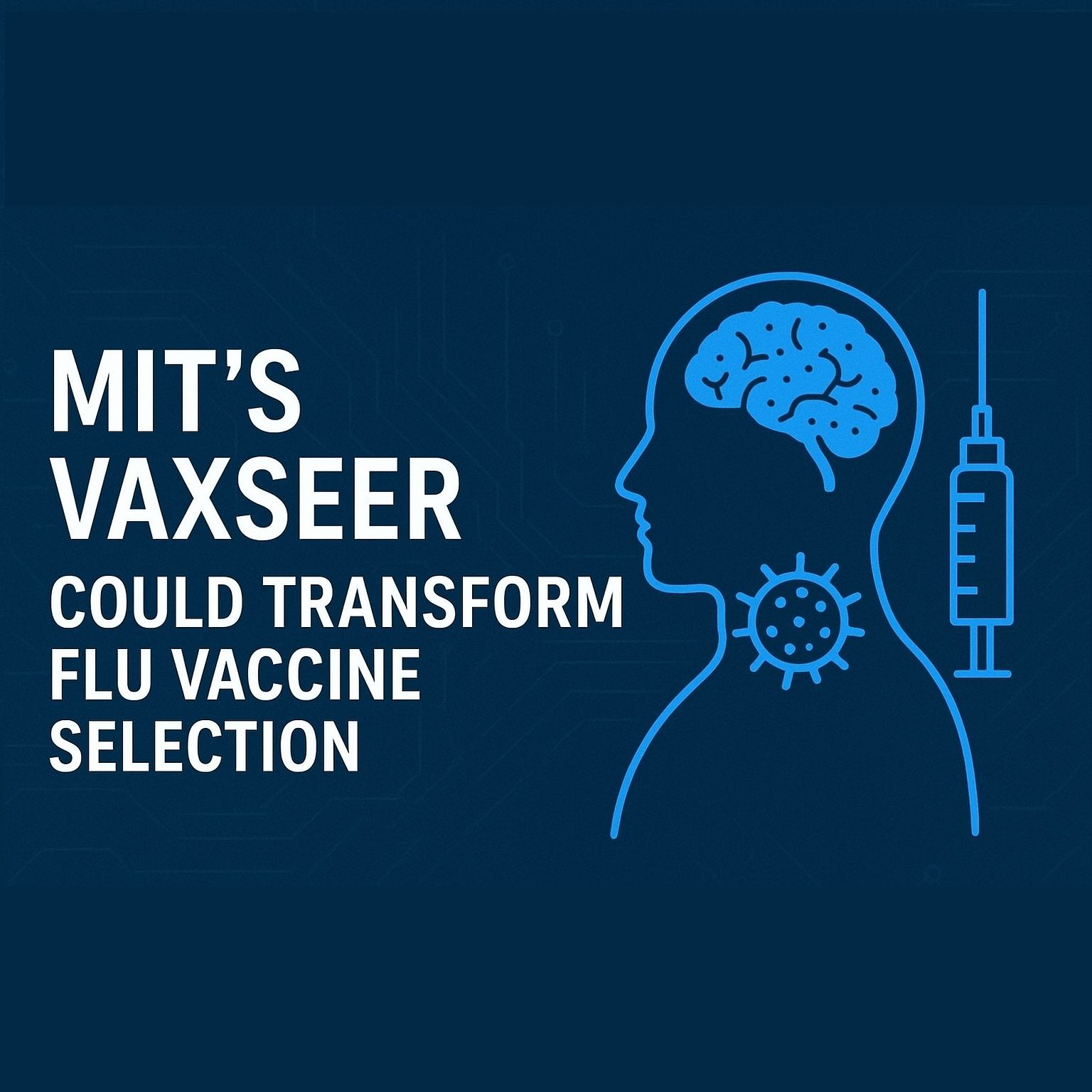
MIT’s VaxSeer: AI Revolutionizes Flu Vaccine Selection
MIT’s VaxSeer AI predicts flu strains more accurately, reshaping vaccine selection and boosting global health readiness.
Artificial IntelligenceMachine LearningHealthcareRead more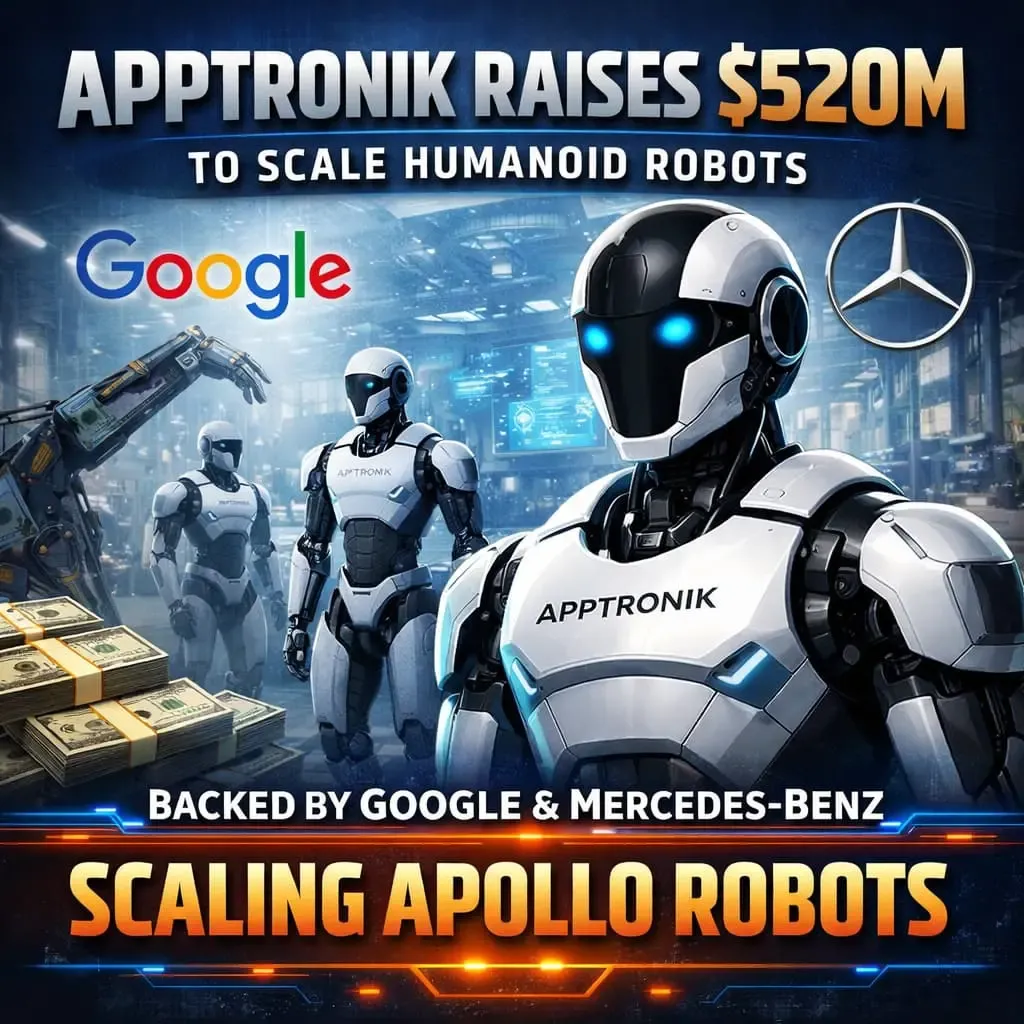
Apptronik Raises $520M to Scale Apollo Humanoid Robots
Backed by Google and Mercedes-Benz, Apptronik secures $520M to accelerate production of its Apollo humanoid robots and expand AI-powered automation into factories and beyond.
Artificial IntelligenceGoogle DeepMindHumanoid RoboticsRead more
Comments
Be the first to share your thoughts
No comments yet
Start the conversation by sharing your thoughts