- Agriculture
Saiwa at the Royal Agricultural Winter Fair 2026
At the Royal Agricultural Winter Fair 2026, Saiwa showcased Sairone’s AI-powered drone weed detection and real-time field processing capabilities.
- Date
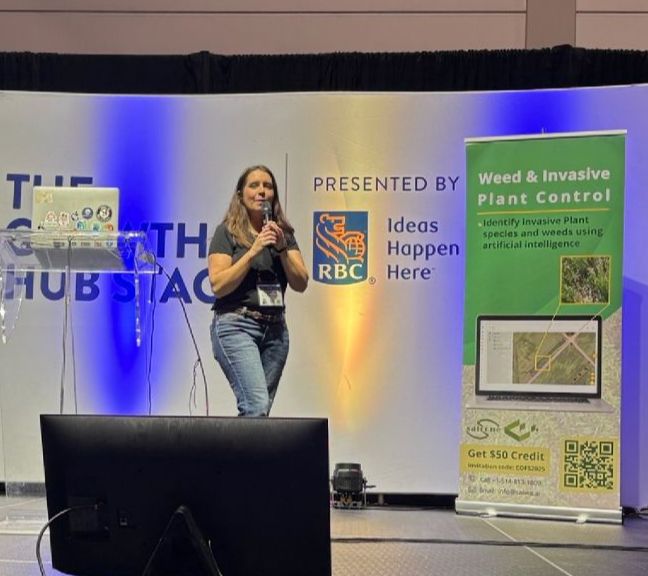
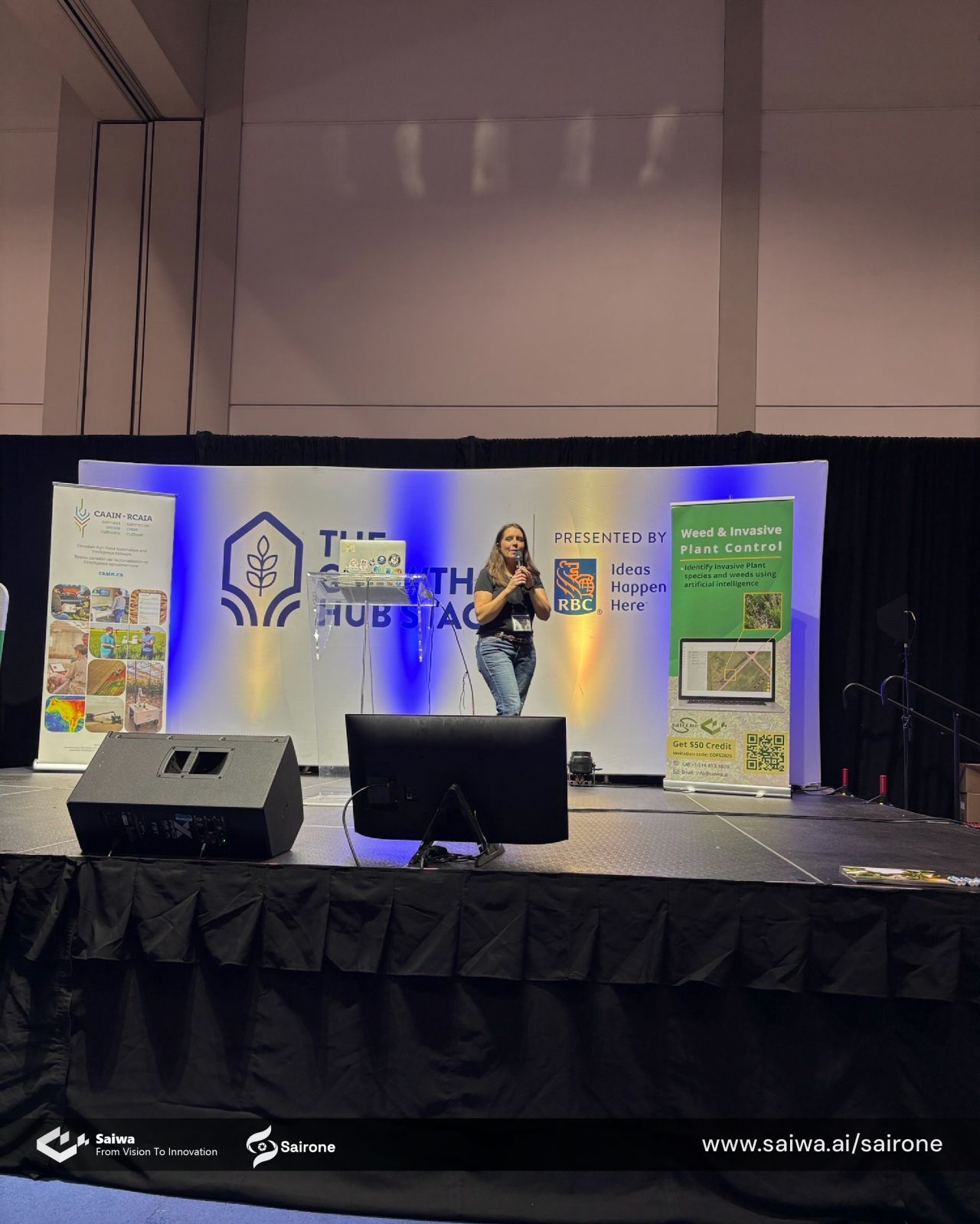
The Royal Agricultural Winter Fair 2026, held from November 6–15 at Exhibition Place in Toronto, Canada, brought together agricultural innovators, researchers, industry leaders, and technology companies to explore advancements shaping the future of Canadian agriculture. As part of the event, Saiwa participated in a specialized panel discussion titled “Emerging Technologies in Agriculture: The Farm of Tomorrow,” held on November 7 at 1:00 PM on the RBC Growth Hub Stage. The discussion focused on the transformative potential of artificial intelligence, robotics, automation, and precision agriculture technologies. Organized with the involvement of the Canadian Agri-Food Automation and Intelligence Network (CAAIN), the session provided a platform for leading agricultural technology companies to demonstrate how emerging solutions can improve efficiency, sustainability, and decision-making across the agricultural sector.
The panel was hosted by Garson Law, Program Director at CAAIN, and featured three speakers representing innovative agricultural technology companies. Dr. Kate Withers Hess represented Saiwa, introducing the company's AI-powered agricultural imagery analysis capabilities. She was joined by Jana Tian, Co-founder and CEO of Upside Robotics, and Avery Whyte from Vivid Machines. Upside Robotics specializes in autonomous robotic systems designed to improve agricultural input management, particularly fertilizer application, while Vivid Machines develops AI-powered computer vision solutions for monitoring plant health, estimating yields, and optimizing orchard management. Together, the speakers presented complementary approaches to agricultural innovation, demonstrating how intelligent imagery analysis, field robotics, and advanced monitoring technologies can contribute to more precise and efficient farming practices.
During her presentation, Dr. Kate Withers Hess highlighted three key areas of innovation within Saiwa's Sairone platform. The first focused on AI-powered weed detection and mapping in soybean fields, where drone imagery can be analyzed to generate actionable geospatial information for agricultural management. The second demonstrated the application of Green-on-Green weed detection technology in golf courses, sod farms, and other managed turf environments, enabling the identification of weeds within existing green vegetation. The third introduced an emerging initiative supported by CAAIN: the development of real-time, onboard weed detection capabilities using edge computing technology. This initiative explores deploying AI models directly on the DJI Matrice 4E drone to detect weeds and record their geographic locations during flight, reducing reliance on cloud-based processing for the detection stage. The presentation illustrated how Saiwa is extending its expertise from cloud-based geospatial analytics toward more immediate, field-level agricultural intelligence.
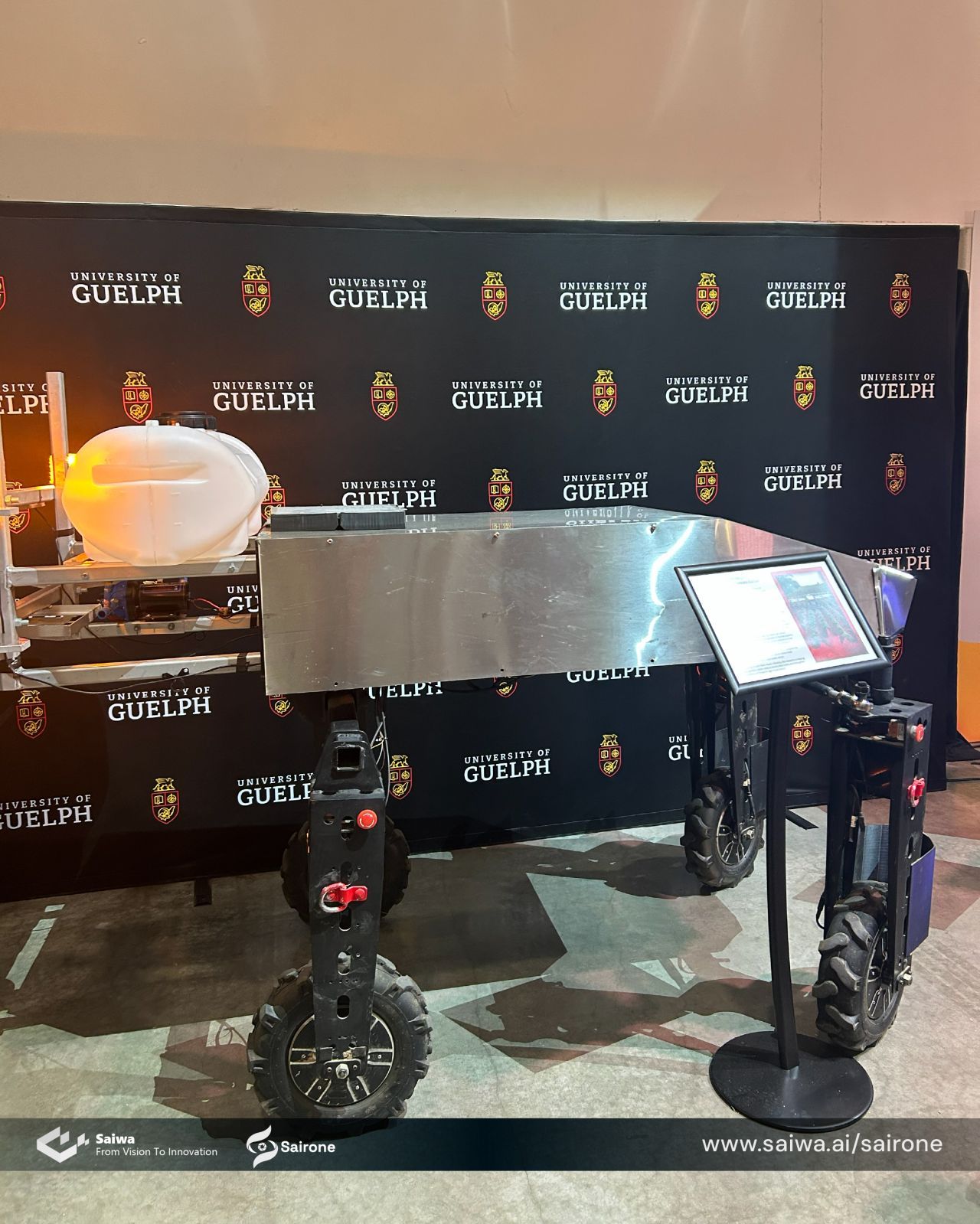
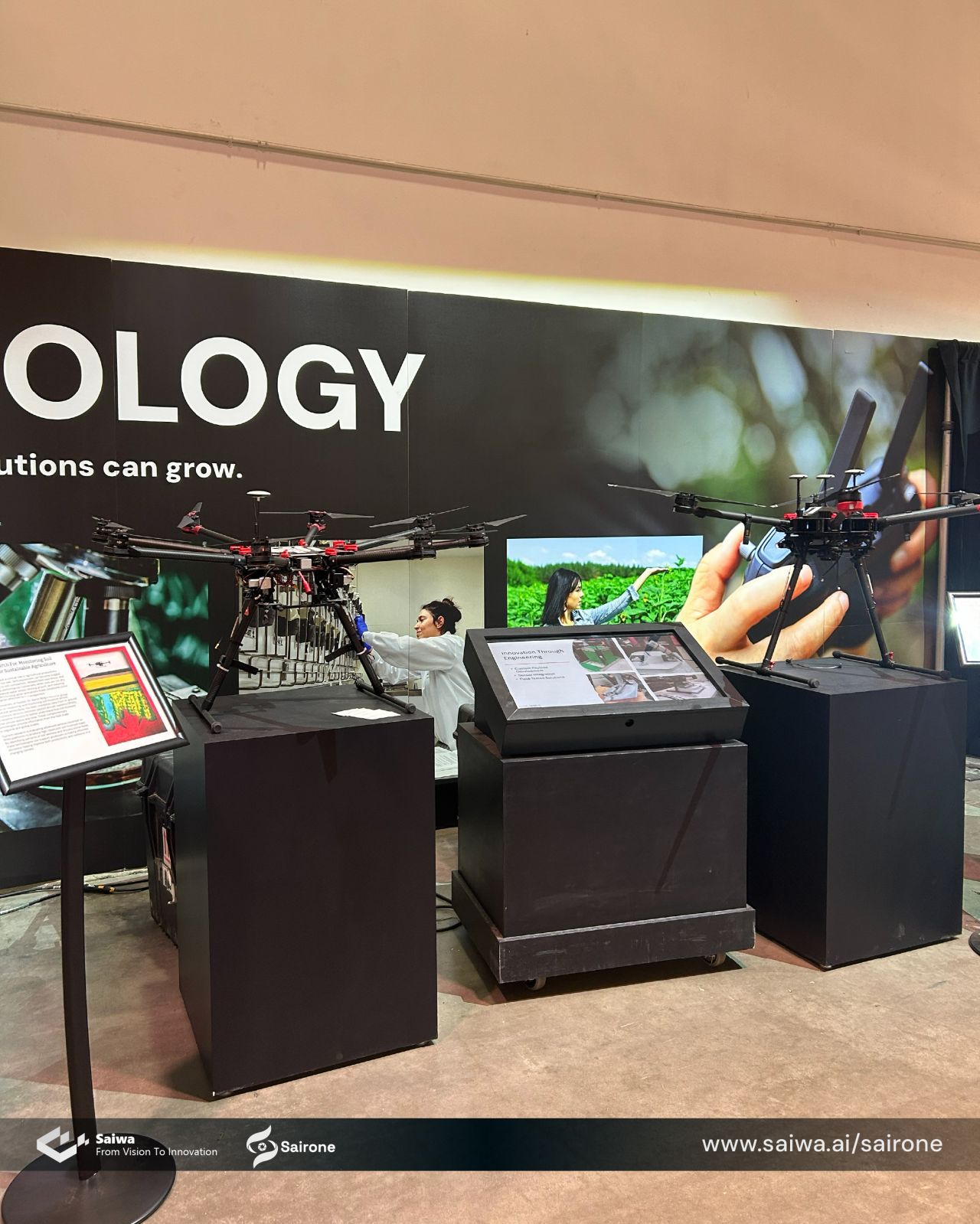
Beyond the panel discussion, Saiwa's event coverage highlighted several agricultural research initiatives, particularly those associated with the University of Guelph. One notable example was AgriScout, an autonomous agricultural scouting robot designed to identify crop diseases through artificial intelligence and computer vision. Researchers involved in this work include Dr. Gurjit Randhawa from the University of Guelph and Dr. Aitazaz A. Farooque from the University of Prince Edward Island. The technology has been investigated for detecting and geolocating potato plants affected by Potato Virus Y (PVY), with related research extending toward the identification of diseases such as white mould in soybean crops. The event coverage also recognized the contributions of the University of Guelph's Drone Lab for GIS & Geomatics, which supports research in drone-based imaging and geospatial technologies. These independent academic initiatives demonstrated the expanding role of AI, autonomous systems, and remote sensing in agricultural research and crop protection.
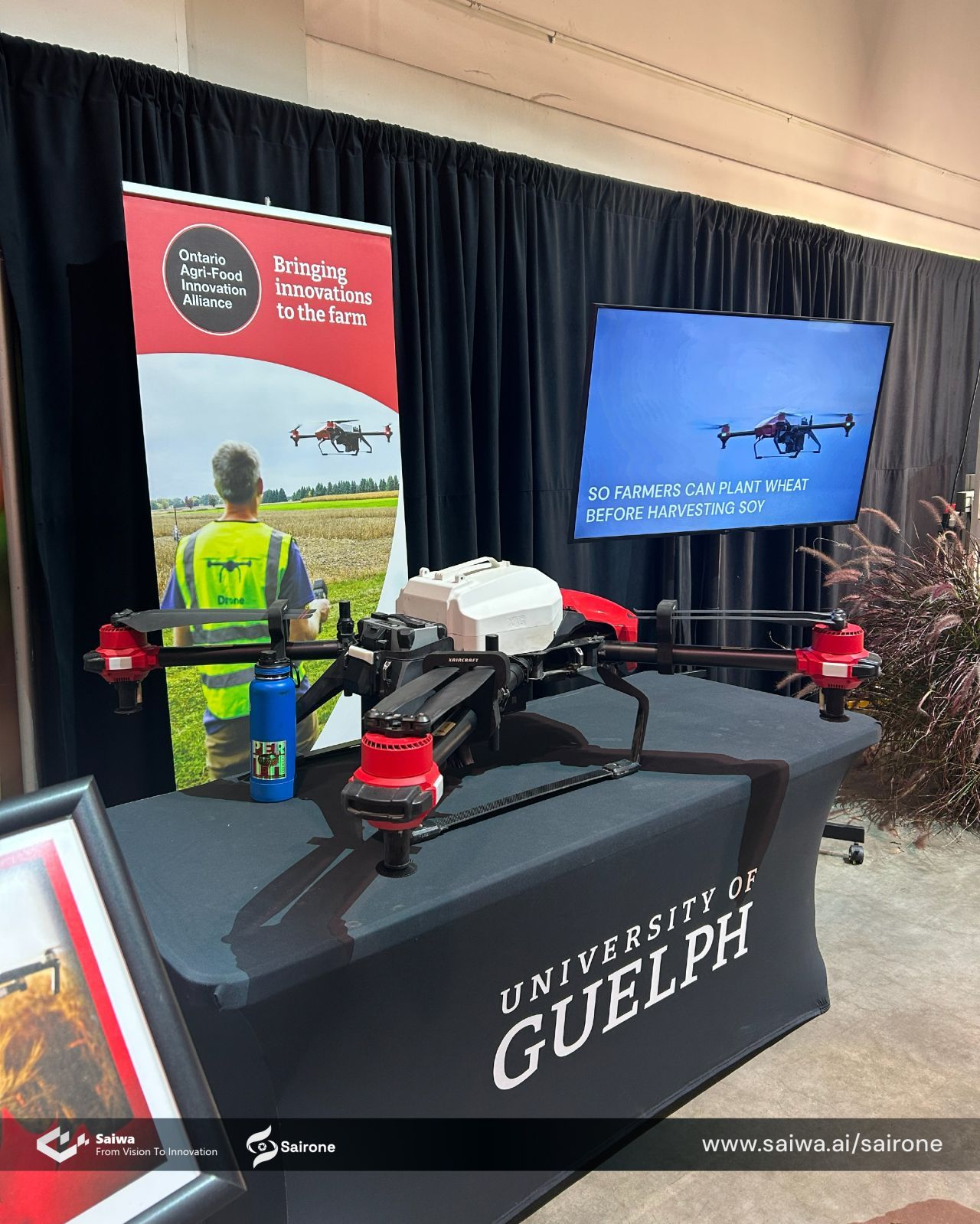
Another important research initiative highlighted during the event involved drone-based winter wheat seeding into standing soybean crops. Led by Dr. Joshua Nasielski and research technician Ian DeSchiffart at the Ontario Crops Research Centre in Winchester, the project investigates how aerial seeding can help overcome the narrow planting window for winter wheat in eastern Ontario. The research involves collaboration with the University of Waterloo and Corteva Agriscience, including investigations into biodegradable seed coatings that may improve moisture retention and crop establishment. More information about this work is available in the University of Guelph's official research article. Following the event, CAAIN publicly reshared Saiwa's LinkedIn coverage, congratulating Dr. Kate Withers Hess on her presentation and expressing appreciation for Saiwa's participation. CAAIN also emphasized the considerable potential of drone technologies in shaping the future of Canadian agriculture. This recognition highlighted Saiwa's engagement with Canada's agricultural innovation ecosystem and the growing importance of AI-powered drone analytics in advancing precision agriculture.
Share this event
Help others discover this content