


Invasive Plant Solutions - Control and Recovery Strategies
Discover effective Invasive Plant Solutions, from early detection to site recovery, with science-backed strategies to restore ecological balance.
Written by Amirhossein
Reviewed by Boshra
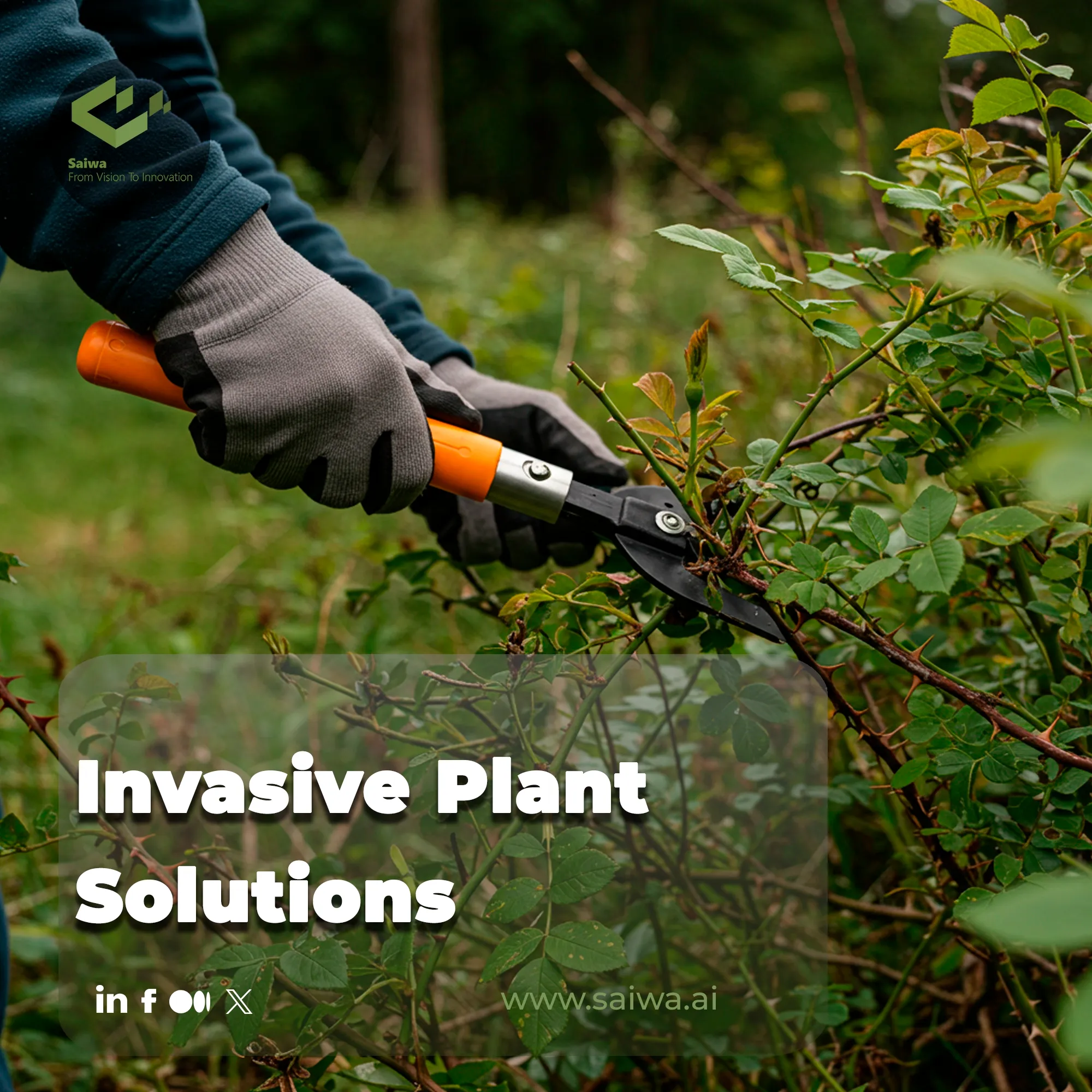
Invasive plants represent a silent but escalating threat to both ecological stability and economic infrastructure. These non-native species aggressively colonize new environments, disrupting native ecosystems and causing significant structural damage. Addressing this challenge requires more than just manual removal; it demands a strategic, science-backed approach.
This article outlines the core principles of invasive species management, from initial detection to long-term site recovery, providing a clear roadmap for land managers and environmental stewards aiming for sustainable, lasting results.

Ecological and Economic Consequences of Invasive Plant Species
The unchecked spread of invasive plants triggers a cascade of negative effects. Ecologically, they outcompete native flora for resources, leading to dense monocultures that reduce biodiversity and degrade wildlife habitats. Economically, the consequences are equally severe.
Species like Japanese Knotweed can penetrate concrete and asphalt, compromising building foundations and property values. Effective invasive plant solutions are therefore critical not only for conservation but also for protecting significant capital investments from costly, preventable damage.
Early Detection and Risk Assessment
Proactive management is the most effective strategy against invasive species. Early invasive plant identification, often initiated through comprehensive site surveys, allows for a rapid and targeted response before a small patch becomes a widespread infestation.
This initial assessment is crucial for determining the species, mapping its extent, and evaluating the potential risks to the surrounding environment and infrastructure. A swift response at this stage is more cost-effective and significantly increases the probability of successful eradication.
Read Also: Ambrosia Artemisiifolia Control - Smart Solutions for an Aggressive Weed
Matching the Control Strategy to the Infestation Stage
Not every invasive plant problem should be managed the same way. The most effective invasive plant solutions are stage-based, meaning the response should depend on how large the infestation is, how quickly it is spreading, and whether the goal is eradication, containment, or long-term suppression.
This matters because early detection and rapid response remain the most successful path when infestations are still small. USGS guidance notes that eradication efforts are most successful on infestations smaller than 1 hectare and become progressively less successful as infestation size increases, to the point that eradication is unlikely for very large populations.
Why scale changes the response
A newly detected patch at the invasion front should usually be treated very differently from a well-established population. USDA Forest Service guidance on invasive plant programs emphasizes Early Detection and Rapid Response, control of small infestations of established species, and containment of larger populations as distinct management priorities.
That sequence is important because it helps land managers avoid wasting labor and budget on unrealistic objectives. In other words, a small outlying patch may justify aggressive removal, while a broad, entrenched infestation may require phased suppression and restoration rather than a one-season eradication plan.
A recent review on integrated management of invasive plant species reaches the same conclusion from another angle. It explains that once eradication fails, monitoring and integrated management become essential to prevent naturalization and further dispersal.
That is the real turning point in invasive plant planning: deciding whether the site is still in an eradication window or has already moved into long-term management.
A practical decision matrix
Infestation stage | Main objective | Most suitable response |
New, isolated patch | Eradication. | Rapid site verification, targeted removal, and short-interval follow-up before seed production or spread. |
Small but established population | Intensive control. | Combine mechanical and chemical methods based on species biology, site access, and regrowth risk. |
Large, established infestation | Containment and suppression. | Prioritize spread prevention, protect high-value zones, and use repeated treatment cycles instead of one-time removal. |
Post-treatment site | Recovery and resilience. | Replant competitive vegetation, monitor regrowth, and adapt the plan based on treatment outcomes. |
Why follow-up matters as much as first treatment
Initial removal is only part of the job. The current article already notes the need for seasonal re-checks, spot treatment, and adaptive management, and that is fully consistent with agency guidance on invasive species programs.
It also aligns with restoration evidence from USGS work on Tamarix control, which found that common control methods can reduce the invasive target effectively, but vegetation recovery outcomes are much more variable and require monitoring rather than assumption.
That point is critical for field teams. A treatment can appear successful because the invasive plant declines, yet the site may still fail ecologically if bare ground, erosion, or secondary weeds take over afterward.
This is why restoration planning should begin before treatment, not after it.
Where AI and mapping improve execution
This is also where technology adds real value. Sairone’s weed and invasive plant control workflow supports image and video analysis, species detection, and downloadable weed distribution outputs in GIS-ready formats such as GeoJSON, Shapefile, KML, and CSV, which makes it easier to verify infestation boundaries and target interventions precisely.
For land managers, that means control decisions can be based on mapped infestation structure instead of rough visual estimates alone. In early-stage infestations, that improves rapid response; in larger sites, it helps prioritize edges, spread corridors, and recovery zones more efficiently.
The practical takeaway is straightforward: the best invasive plant solution is not a single method, but a staged management plan that matches the biology of the invasion, the scale of the site, and the realistic outcome the team can achieve.
Control Methods for Invasive Plants

An integrated approach to control combines multiple techniques tailored to the specific plant and site conditions. Understanding these options is key to developing an effective plan, which often includes the following methods.
Read Also : Daisy Fleabane Control - Advanced Solutions for Accurate Eradication
Mechanical Control
Cutting, pulling, and mowing: These methods involve the direct physical removal of invasive plants. Hand-pulling is effective for shallow-rooted species, while cutting or mowing manages top growth and can deplete the plant's energy reserves over time.
Limitations and best timing: Mechanical control is most practical for smaller infestations and is labor-intensive. It is crucial to time these activities before plants set seed to prevent further spread. Care must also be taken, as soil disturbance can inadvertently create ideal conditions for new weed germination.
Chemical Control
Herbicide types and application methods: Herbicides offer targeted and efficient control. Common methods include foliar sprays for broad-leaf plants, cut-stump treatments applied directly to the cut surface of woody plants, and basal bark applications for woody stems.
Safety and environmental considerations: This method demands precision and expertise. A certified professional must select the correct herbicide and application method to minimize off-target damage to native plants and prevent water contamination. Adherence to all environmental regulations is non-negotiable for safe and legal application.
Biological Control
Use of natural predators or pathogens: This advanced method introduces carefully vetted, host-specific insects or diseases from the invasive plant's native range to suppress its population naturally.
Limited use but valuable for specific cases: While not a quick fix, biocontrol can offer a long-term, self-sustaining solution. It is reserved for widespread infestations where other methods are impractical and requires years of rigorous research and governmental approval to ensure the control agent itself does not pose an ecological risk.
Suffocation
Method: Double or triple layers of UV-stabilized clear or black plastic sheeting can be used to smother small seedlings and herbaceous invasives. The plastic should stay in place for at least two years and extend at least five feet past the edge of the infestation.
Aftercare: All invasive and non-invasive vegetation beneath the sheet is destroyed. A cover crop, such as annual rye, can be sown after removal to assist stop recolonization and prepare the soil for native restoration.
Techniques of Cultural Control:
Behavioral Shifts: Raising public awareness is important for prevention. Local campaigns and signs can educate people on how to prevent the spread of invasive species.
For instance:
• When leaving contaminated areas, clean your boots, clothes, and equipment.
• Avoid moving dirt that can hold seeds or firewood.
• Organize volunteer initiatives in your neighborhood to remove and detect invasive species.
Read Also : Parthenium Hysterophorus Control - Effective Management Through Innovation
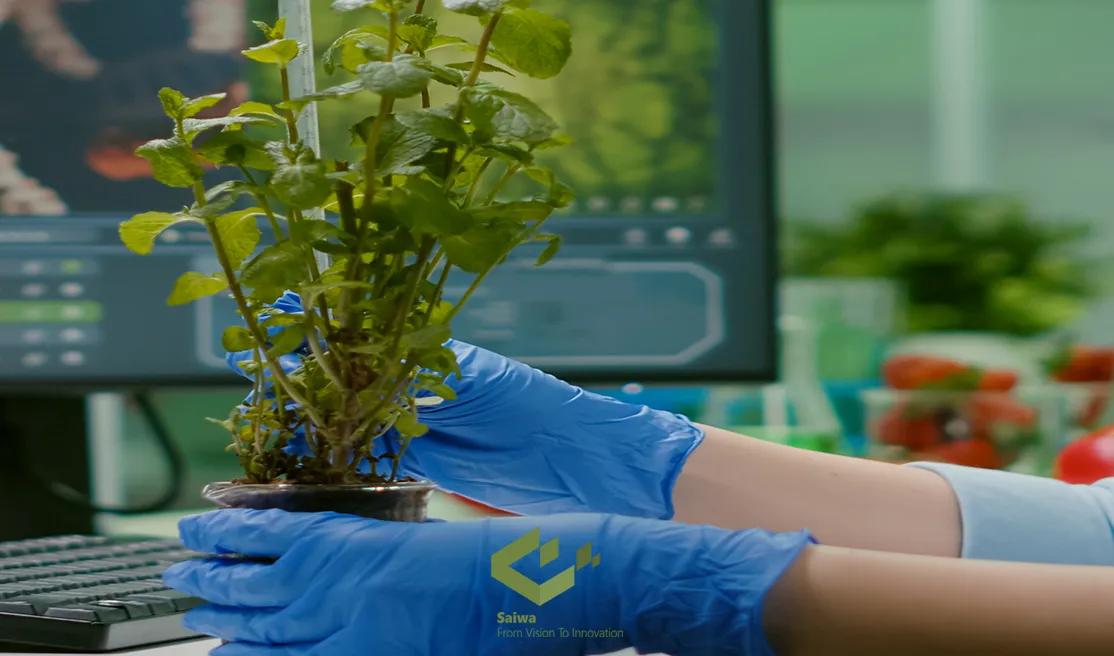
Site Restoration After Invasive Plant Removal
Eradication is only half the battle; restoring the site is essential for long-term success. A thoughtful restoration plan stabilizes the area and prevents future invasions. Key actions to focus on include:
Reestablishing native plant cover: Planting competitive native species to occupy the cleared space.
Soil amendments and erosion control: Improving soil health and using techniques to prevent soil loss.
Monitoring regrowth and adaptive management: Regularly checking the site for any new invasive sprouts and adjusting the plan as needed.
Read Also : Amaranthus Albus Control - Strategies to Protect Your Fields Effectively
Sairone’s Professional Solutions for Invasive Plant Control
Modern invasive plant solutions are increasingly powered by technology. Saiwa's Sairone platform leverages high-resolution drone imagery and AI to revolutionize how we manage invasive species.
By automating weed detection across vast or inaccessible areas, Sairone provides land managers with precise data to target interventions effectively. Its capabilities also extend to plant health monitoring, ensuring that native species thrive during recovery. For those seeking to move beyond reactive treatments to a proactive, data-driven strategy, Sairone offers the precision needed to restore ecological balance efficiently.
Read Also: Invasive Plant Monitoring - AI-Powered Farming Insights
Preventing Reinfestation and Long-Term Monitoring
Ensuring that an area remains free of invasive species requires a commitment to long-term vigilance and strategic planning. A comprehensive approach should incorporate multiple layers of defense to safeguard the restored ecosystem. These preventative measures typically involve:
Land-use planning and buffer zones: Creating barriers of native vegetation to prevent encroachment from adjacent infested areas.
Seasonal re-checks and spot treatment: Conducting regular inspections, especially during peak growth seasons, to address any new shoots immediately.
Community education and policy integration: Informing the public and integrating invasive species management into local land-use policies.
Note: Some visuals on this blog post were generated using AI tools.
Comments
No comments yet!
Table of Contents
No headings were found on this page.