


Crop Scouting Tools Every Farmer Should Use
Crop Scouting Tools Every Farmer Should Use
Written by Maryam
Reviewed by Boshra
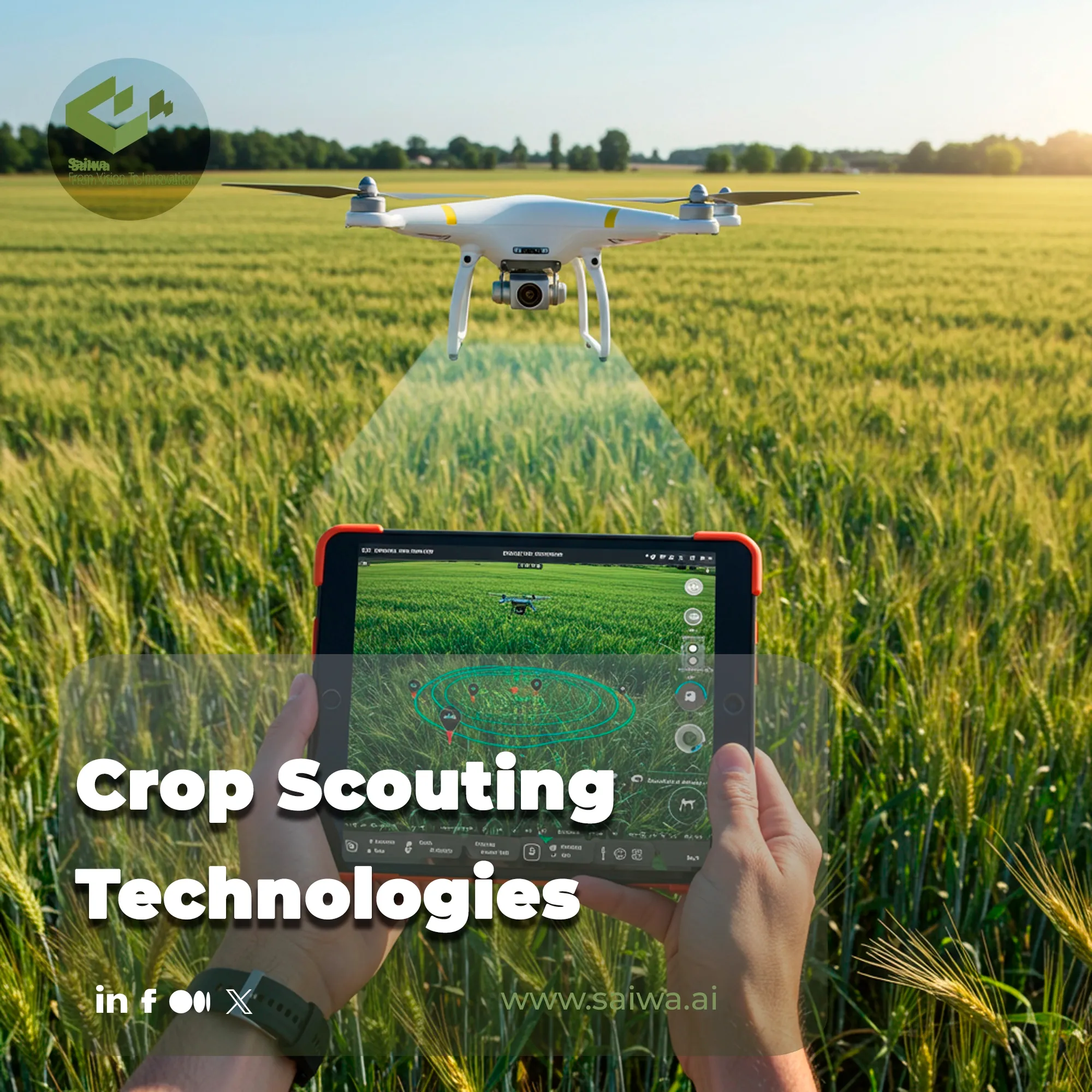
The agricultural sector is undergoing a critical transformation, shifting from intuition-based practices to data-driven strategies to meet global demands sustainably. This evolution is spearheaded by advanced Crop Scouting Technologies designed to enhance field-level decision-making. At the forefront of this movement, Saiwa’s Sairone platform offers unparalleled insights by automating the analysis of high-resolution drone imagery. This article breaks down the essential technologies and standardized methods that empower farmers to boost productivity, optimize resources, and secure yields in the face of modern challenges.

Advanced Technologies and Tools Transforming Crop Scouting
The revolution in farm management is not driven by a single innovation but by a powerful ecosystem of interconnected tools. These technologies work in concert to provide a comprehensive, multi-layered view of farm health. The following are the core components redefining modern crop scouting:
Drone-Based Field Monitoring
Drones equipped with specialized cameras capture ultra-high-resolution images, enabling the detection of crop stress or pest infestations up to two weeks before they become visible to the naked eye. This micro-level view is indispensable for early intervention.
Satellite Imaging and Remote Sensing
Offering a macro perspective, satellites use indices like NDVI to monitor the overall health and vigor of vast agricultural areas, making them ideal for tracking large-scale patterns and directing ground-truthing efforts efficiently.
AI-Powered Mobile Apps and Digital Platforms
These tools democratize access to advanced analytics, translating complex data from drones and satellites into user-friendly maps and instant alerts on a smartphone, making precision agriculture accessible even to small-scale farmers.
In-Field IoT Sensors and Smart Devices
Deployed directly in the soil, IoT sensors provide a continuous stream of real-time data on critical metrics like moisture, nutrient levels, and pH, enabling hyper-precise resource management.
Hyperspectral Imaging and Crop Diagnostics
This advanced imaging technology captures data from across a wide electromagnetic spectrum, allowing for the identification of specific diseases, nutrient deficiencies, or environmental stresses with exceptional accuracy.
Read Also : Drone Crop Scouting - Unlocking Farm Efficiency from the Sky

Autonomous Field Robots and Automated Scouting Systems
Representing the next frontier, these ground-based robots can navigate fields independently, collecting data and even performing targeted actions like mechanical Weed detection or precise spraying.
Best Practices for Effective Crop Scouting
Although modern tools are powerful, their effectiveness depends on how they’re used in the field. Following these best practices helps transform raw data into meaningful actions.
- Scout Regularly and Consistently
Check fields weekly during the growing season to catch issues early and track gradual changes before they become costly.
Combine Digital Insights with Field Validation
Use drones or satellite maps to spot anomalies, then confirm findings on the ground to avoid misinterpreting false signals.
Follow Systematic Scouting Patterns
Walk fields in zig-zag or W-shaped routes, using GPS apps to cover all zones without missing or repeating sections.
Prioritize Problem Areas with Alerts
Focus first on “hot spots” flagged by software, ensuring faster responses to stress, pests, or nutrient issues.
Document Observations Thoroughly
Record notes, photos, and measurements in the app to build a reliable history for trend analysis and better decisions.
Analyze Trends, Not Just Snapshots
Compare scouting data over time to uncover recurring problems and long-term patterns that a single visit may miss.Coordinate with Agronomy Teams
Share scouting reports promptly with agronomists, farm managers, and equipment operators to ensure timely decisions and synchronized field actions.Leverage AI and Automation Tools
Integrate AI-driven image analysis or predictive models to automatically detect crop stress, pest infestations, and nutrient deficiencies—saving time and improving scouting accuracy.

Precision Data Integration and Farm Platform Connectivity
The true power of scouting data is unlocked when it flows seamlessly into other farm management systems, turning insights into automated, precise actions. This connectivity is primarily achieved through:
VRT (Variable Rate Technology): Prescription maps generated from scouting data directly control machinery to apply seeds, fertilizers, or pesticides at different rates across a field.
GIS and Farm-Management Systems: These central platforms integrate data from all sources—scouting, sensors, and satellites—to create a holistic digital twin of the farm for strategic planning.
Why Sairone Is the Smart Choice for Modern Crop Scouting
While many systems offer a broad overview, Sairone specializes in delivering actionable intelligence from high-resolution drone imagery. Its AI-powered engine excels at tasks that demand superior detail, providing accurate Plant health monitoring and reliable yield predictions.
This precision moves beyond simple problem detection to deliver quantitative insights. The platform’s underlying power in computer vision is so robust that its core technologies, such as object counting and anomaly detection, are also available for developers to build custom solutions via Saiwa’s Fraime platform. This makes the suite of Crop Scouting Technologies offered by Sairone an intelligent, scalable choice for future-focused agriculture.
Read Also: Blossom Counting - Boost Yield Planning in Smart Farms
Conclusion
Embracing data-driven scouting is no longer a choice but a necessity for building a resilient and profitable agricultural operation. By integrating advanced tools, standardizing data collection, and leveraging powerful analytical platforms like Sairone, farmers can move beyond reaction and into proactive, precision-based management, ensuring a more productive and sustainable future for agriculture.
Note: Some visuals on this blog post were generated using AI tools.
About the team
Continue reading
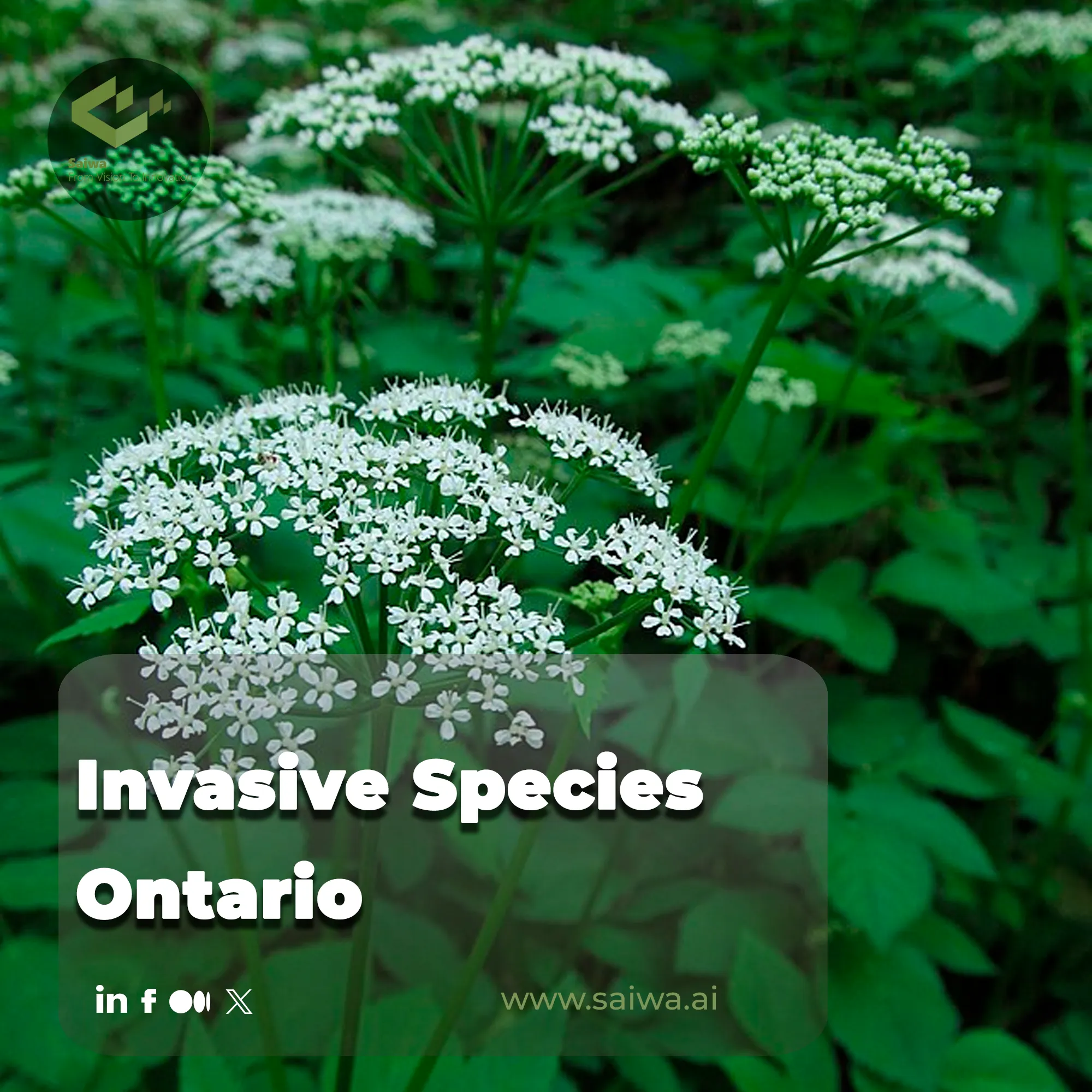
Invasive Species Ontario - Threats and Advanced Management
The ecological and economic integrity of Ontario's landscapes faces a persistent threat from non-native flora. Managing this issue requires

Uncovering the Vital Role of Nitrogen in Plant Growth: A Comprehensive Guide
Only about half of the nitrogen applied to crops is actually taken up by the plants, with the rest lost to runoff, volatilisation, or leachi

Application of Image Processing in Agriculture
In one recent review, researchers found that image recognition technologies are already being applied in smart agriculture to detect crop di
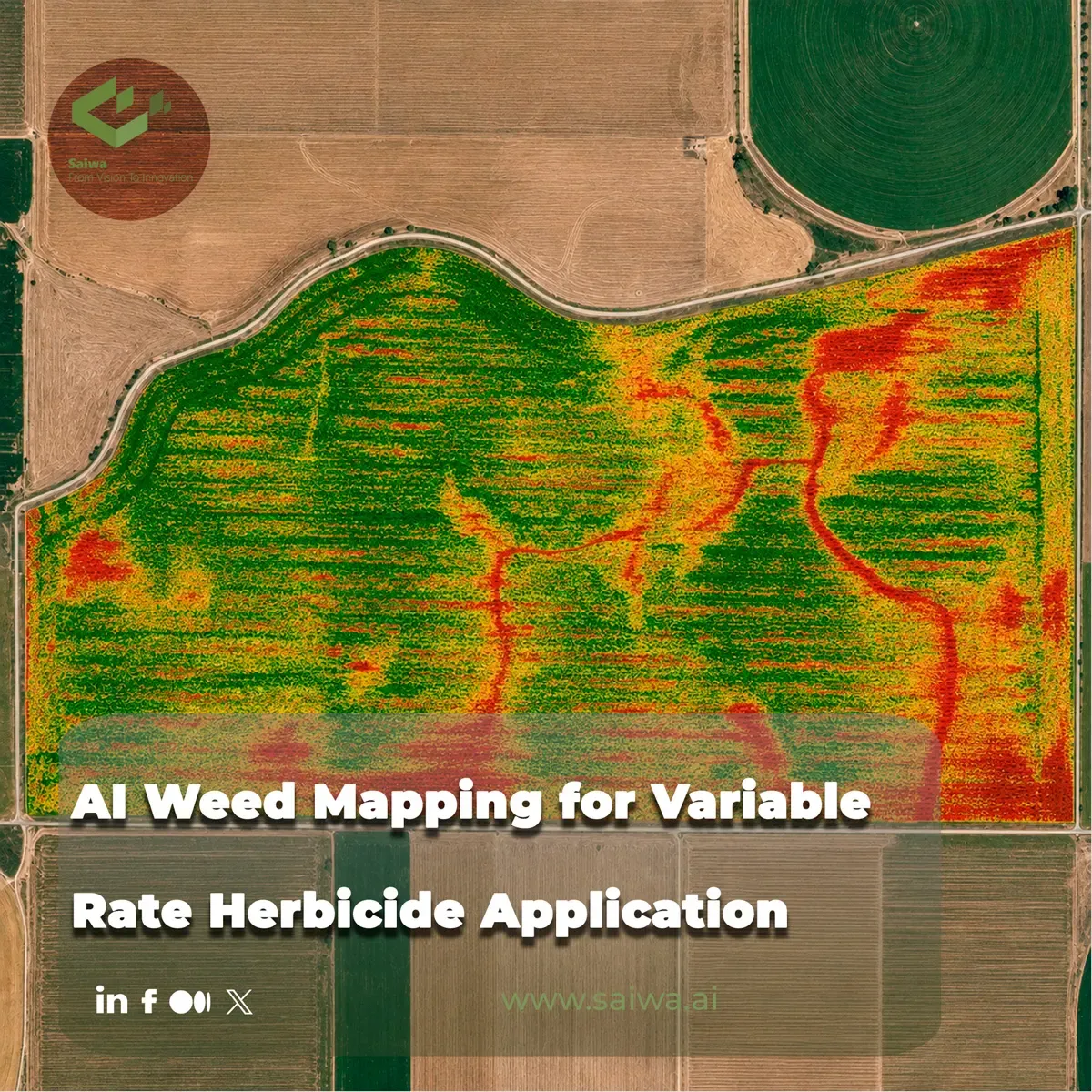
AI Weed Mapping for Variable Rate Herbicide Application
Weed Mapping connects field imagery, weed-identification algorithms, geospatial analysis, and spray-control systems into a practical workflo

Nutrient Management Plans in Ontario: How Precision Agriculture Is Optimizing Farm Sustainability
Ontario’s agri-food industry contributed almost CA$51 billion to the provincial economy in 2023 and supported over 871,000 jobs. but sustain
AI Weed Detection to Reduce Herbicide Resistance Pressure
Herbicide resistance becomes a larger operational challenge when weed populations are repeatedly exposed to the same herbicide modes of acti
Comments
Be the first to share your thoughts
No comments yet
Start the conversation by sharing your thoughts
Share this article
Help others discover this content
Table of Contents
No headings were found on this page.