



Crop Monitoring Using AI - Smarter Farming Through Data and Automation
Discover how crop monitoring using AI boosts yields, cuts costs, and enhances sustainability through real-time insights, drones, and predictive analytics.
Written by Amirhossein
Reviewed by Boshra
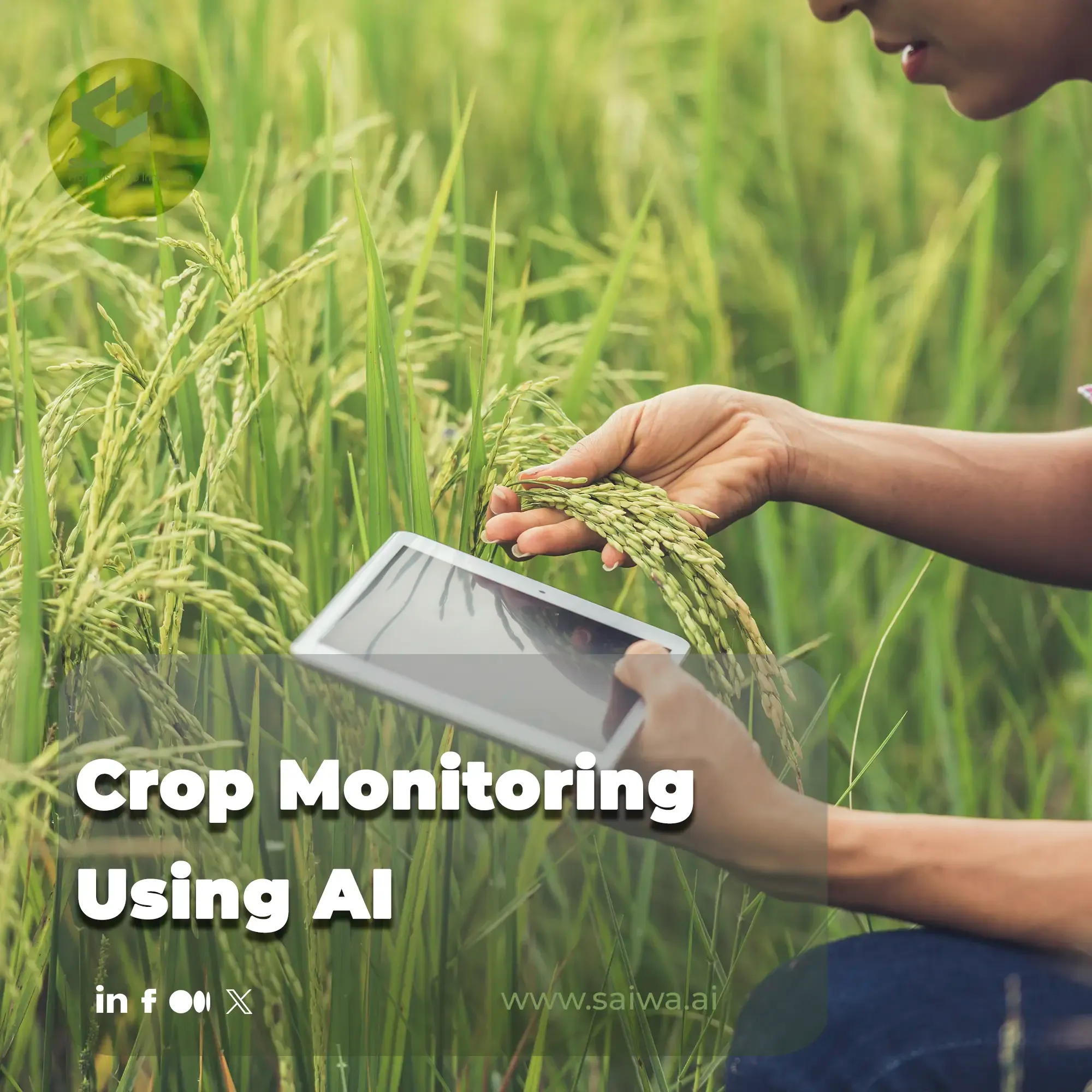
The future of agriculture hinges on producing more with less, a challenge that traditional methods alone cannot meet. Modern farming now leverages data-driven tools for smarter decision-making. At Saiwa, we deliver these tools through platforms like Sairone, turning complex aerial data into clear, actionable intelligence. This article explores the essential technologies, real-world benefits, and practical applications in this agricultural evolution.

The Importance of Crop Monitoring in Modern Agriculture
Effective crop monitoring is the shift from reactive fixes to proactive strategy. Historically, farmers relied on manual inspections, which were often too slow to prevent significant damage from pests or disease.
Today’s digital approach provides a continuous, comprehensive view of the entire field, enabling rapid, data-informed decisions that were previously impossible. This constant awareness is crucial for maximizing yield and resource efficiency in an unpredictable climate. The key contributions of this approach are now widely recognized:
Early Disease Detection: Identifying health issues before they spread across the field.
Water Usage Optimization: Applying water precisely where and when it is needed.
Targeted Pest Management: Minimizing broad pesticide application by locating threats early.
Core Technologies in Crop Monitoring Using AI
This powerful capability isn't the result of a single invention, but a synergy of advanced technologies working in concert. Let's briefly break down the engine behind modern Crop Monitoring Using AI:
Remote Sensing: Utilizing high-resolution imagery from satellites and drones to capture data across vast or hard-to-reach areas.
Machine Learning and Predictive Analytics: Training algorithms on historical and real-time data to forecast outcomes, from growth stages to potential threats.
Image Analysis: Employing computer vision to detect subtle anomalies in plant color, texture, and growth patterns invisible to the naked eye, a crucial element for Weed detection.
Predictive Analytics and Farm Planning: Using data trends for accurate Crop yield estimation and harvest scheduling.
Drone Technology Powered by AI: Combining the mobility of drones with AI analysis for unmatched detail and accuracy in data collection.
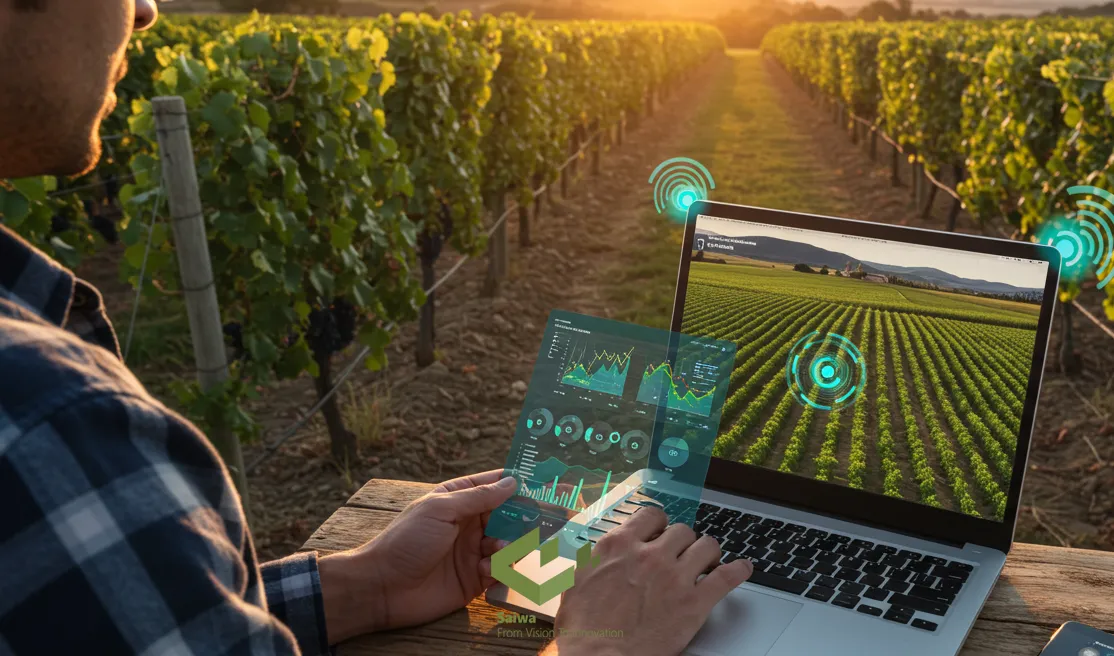
Why AI Works Best with Multimodal Monitoring
AI crop monitoring becomes far more useful when it combines several data layers instead of relying on a single image, vegetation index, or sensor reading. The current article already highlights remote sensing, machine learning, image analysis, predictive analytics, and drone technology, and review literature on multimodal remote sensing confirms that crop monitoring benefits strongly from integrating multiple sources rather than depending on one observation stream alone.
For professional growers and agronomy teams, this matters because the real objective is not just to detect variation in the field. It is to identify which variation deserves action, what kind of action is appropriate, and how urgent that action is.
One signal rarely explains the whole problem
A visible anomaly in the canopy does not automatically reveal its cause. A major review on crop stress detection explains that different spectral domains capture different plant responses, including absorption and scattering in visible, near-infrared, and shortwave infrared bands, as well as emitted signals such as thermal infrared and solar-induced fluorescence.
That is why one low-vigor zone can represent very different problems, including water stress, nutrient deficiency, disease pressure, or pest activity. AI helps narrow those possibilities, but the evidence becomes much stronger when multiple signals point in the same direction.
This is also why single-layer interpretation can be misleading in real farm conditions. The same 2025 review on AI-driven plant stress monitoring notes that environmental variability, data integration, and scalability remain major challenges, especially when systems are expected to perform consistently across different crops and field conditions.
In practice, a professional monitoring system should treat each data source as one part of the diagnosis, not the entire diagnosis.
Build a decision loop, not a dashboard
The strongest AI monitoring programs follow a repeatable loop from detection to intervention. A practical workflow usually looks like this:
Detect anomalies through drone or satellite imagery before symptoms spread visibly across the field.
Compare those patterns with supporting signals such as soil moisture, temperature, past field performance, or scouting notes.
Rank problem zones by severity, crop stage, and probable cause rather than treating all anomalies equally.
Convert verified findings into action, such as targeted scouting, irrigation adjustment, nutrient correction, or precision treatment.
Data layer | What it contributes | Best management value |
Satellite or drone imagery | Reveals field-wide variability and early canopy anomalies. | Best for rapid screening and sub-field prioritization. |
Spectral and thermal signals | Captures different physiological stress responses that one band alone may miss. | Best for distinguishing likely stress patterns more accurately. |
Ground or operational data | Adds field context such as moisture status, management history, and observed symptoms. | Best for validating cause before treatment. |
AI platform outputs | Turns layered inputs into alerts, maps, and suggested actions. | Best for shortening response time and improving treatment precision. |
Why this improves field decisions
This layered approach is where AI moves from analysis to real agronomic value. The article already positions data and analytics as the heart of modern agriculture, and that idea becomes much more powerful when AI is used to connect patterns across imagery, field signals, and management records instead of producing isolated maps.
It is also where Sairone fits naturally into the workflow. Its crop health monitoring features include localized alerts, a health dashboard, a growing season timeline, AI-based treatment support, and prescription-map export for spray drones or precision sprayers, which helps turn early detection into field-ready action.
For modern farming, the most important advantage of crop monitoring using AI is not simply more automation. It is better judgment at the right moment, supported by multiple forms of evidence and translated into faster, more precise intervention.
Benefits of AI-Powered Crop Monitoring
The adoption of these technologies delivers tangible and significant advantages that directly impact a farm's viability and bottom line. When data drives decisions, operations become more efficient and predictable. Let's look at the primary benefits this transformation unlocks for producers:
Increased Yields: Proactive care and optimized conditions directly contribute to healthier crops and more abundant harvests.
Soil Moisture and Irrigation Optimization: Conserving water by precisely managing irrigation schedules based on real-time soil needs and weather data.
Cost Savings: Reducing expenses on inputs like fertilizer, water, and pesticides by applying them only where necessary.
Sustainability and Reduced Environmental Impact: Minimizing chemical runoff and preserving water resources for a healthier ecosystem.
- Early Stress Detection Beyond Pests and Disease: AI can detect nutrient deficiencies, drought stress, or temperature-related stress in plants before visible symptoms appear. This allows for even more proactive interventions.
- Enhanced Decision-Making and Planning: Crop monitoring data can feed predictive models for crop rotation, fertilization schedules, and harvest timing, giving farmers strategic foresight.
- Labor Efficiency and Safety: Reduces the need for manual scouting in potentially hazardous or difficult-to-access areas, saving time and lowering risk for farm workers.
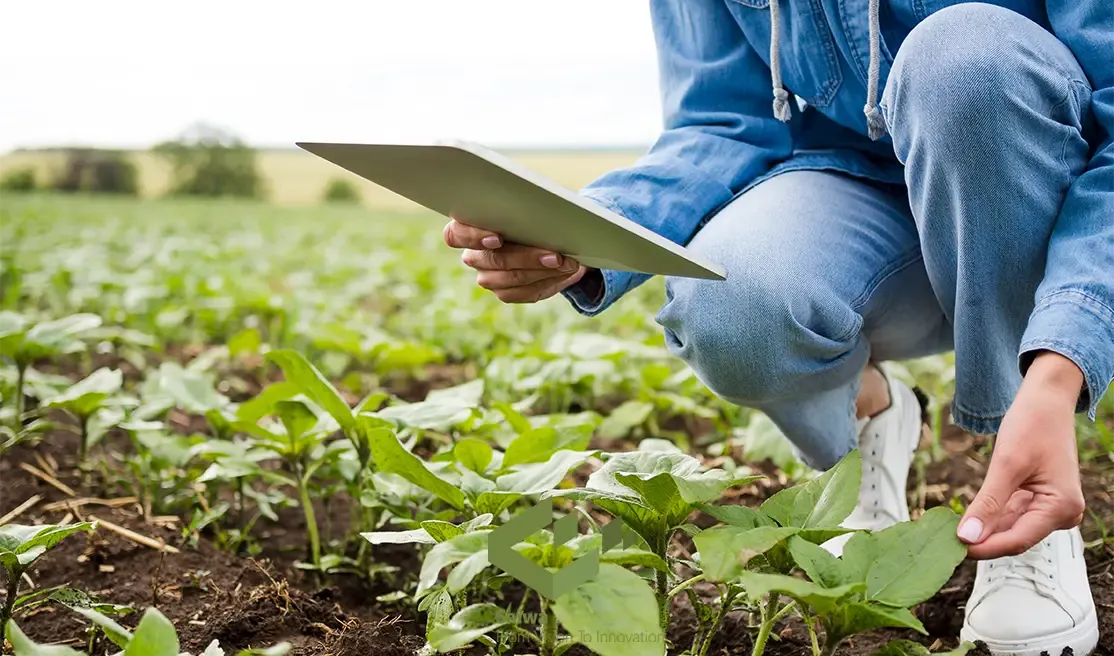
Data and Analytics: The Heart of Modern Agriculture
In modern agriculture, data and analytics influence every decision, from planting to harvesting. By collecting information on soil health, weather patterns, crop growth, and pest activity, farmers can intervene precisely and in a timely manner. Analytics transforms this data into actionable insights, helping to optimize yields, reduce waste, and improve the efficiency of resources. In essence, data is the foundation of smarter, more sustainable farming.
Sairone’s Approach to Scalable and Intelligent Crop Monitoring
While the technologies are complex, their application shouldn't be. Sairone by Saiwa is engineered to bridge this gap. Our platform automates the analysis of high-resolution drone imagery, translating it into a simple, intuitive dashboard.
This allows farmers and ecologists to bypass technical hurdles and gain immediate access to critical insights for pest control, weed management, and plant health monitoring. Sairone delivers the power of sophisticated AI, empowering you to make precise, timely interventions that protect your investment and enhance ecological balance.
Conclusion
AI-driven monitoring is no longer a futuristic concept; it is a practical and essential tool for modern agriculture. By converting data into actionable knowledge, these systems empower farmers to enhance productivity, reduce costs, and operate more sustainably. This technology is fundamental to building a resilient and efficient global food supply for the future.
Note: Some visuals on this blog post were generated using AI tools.
About the team
Continue reading

Daisy Fleabane Control - Advanced Solutions for Accurate Eradication
Physical Characteristics of Daisy Fleabane (Erigeron spp.)Daisy Fleabane (Erigeron spp.) presents a significant challenge in pastures and no
The Power of Agriculture Drone Images - All You Need to Know
Agricultural drone imagery refers to aerial photos and video captured by drones flying over fields and farms. These bird's-eye views provide
Automated Agriculture Irrigation Systems - a Closer Look
Efficient irrigation has become one of the most urgent priorities in modern agriculture, especially as climate change disrupts rainfall patt
Stand Count in Agriculture: Precision Agriculture in Action
An accurate assessment of plant population during the early stages of growth determines the outcome of the entire growing season. However, t

From Identification to Eradication: Use Advanced Technology to Control Thistle
Thistle Species and Biology: Know Your EnemyKey Thistle Species (Canada Thistle, Musk Thistle, Bull Thistle)Effective thistle control starts
Proactive Invasive Species Management with AI Prediction
Biological invasions move faster than many conventional monitoring programs. Field surveys remain indispensable, but they are costly to repe
Comments
Be the first to share your thoughts
No comments yet
Start the conversation by sharing your thoughts
Share this article
Help others discover this content
Table of Contents
No headings were found on this page.