



Maximizing Dairy Efficiency with Cow Activity Monitors: A Guide for Farmers
Discover how cow activity monitors help farmers boost dairy efficiency through behavior tracking, health insights, and productivity gains.
Written by Amirhossein
Reviewed by Boshra
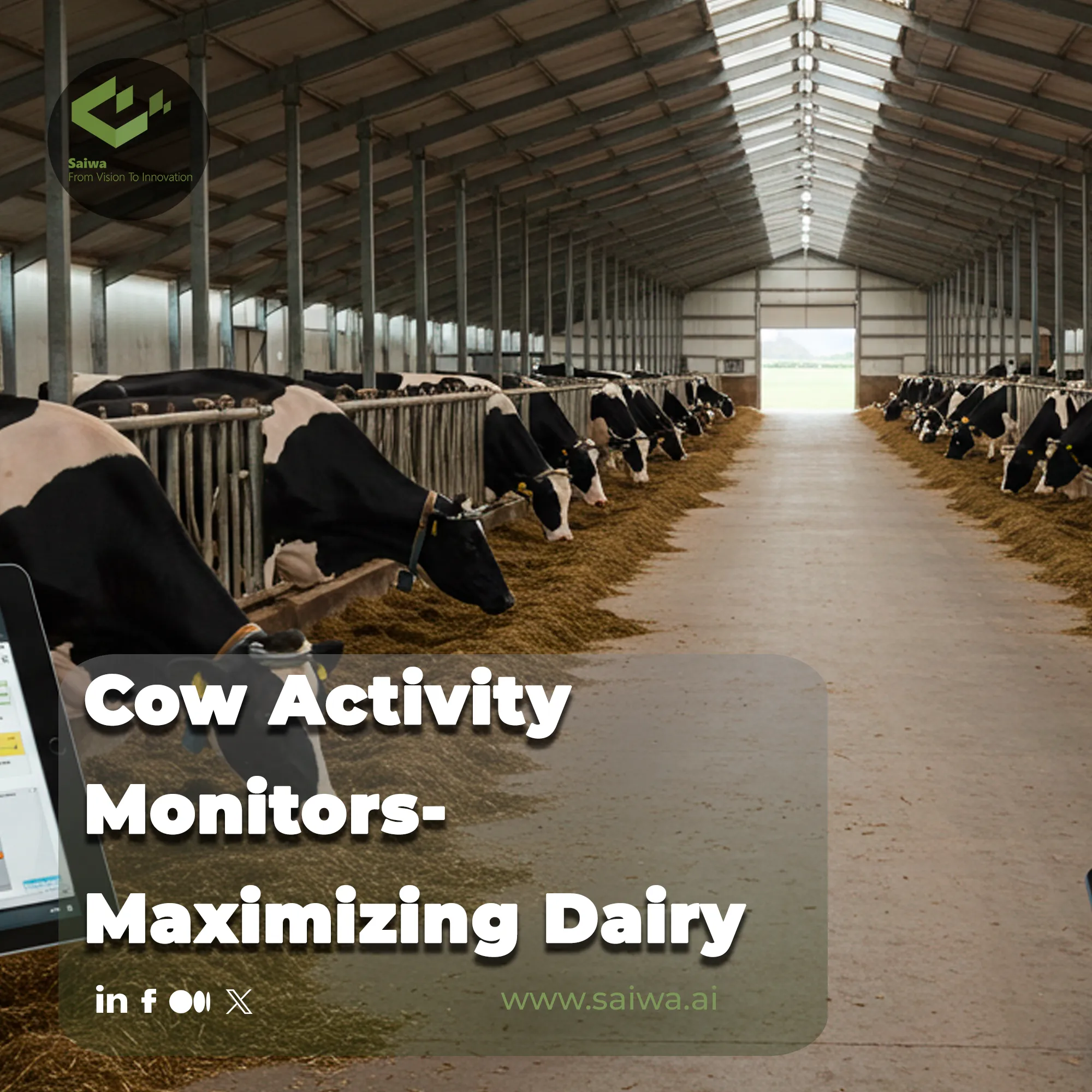
The modern dairy industry thrives on precision and timely data. Traditional observation methods alone can no longer meet the demands for peak efficiency. Here at Saiwa, we are dedicated to transforming complex agricultural data into clear, actionable insights for producers.
This guide provides a focused exploration of Cow Activity Monitors, explaining how this pivotal technology empowers farmers. It will help you make informed decisions, improve herd health, and ultimately enhance the profitability of your dairy operations.

What are Cow Activity Monitors?
These devices are advanced wearable sensors, typically attached as collars or ear tags. They continuously gather data on key behaviors such as motion, rumination, and feeding patterns. Using internal accelerometers, the collected information is wirelessly transmitted to a central hub. This system analyzes the data, translating it into practical insights for the farm manager. This technology provides a 24/7 watch over every animal, detecting subtle changes often invisible to the human eye.
Key Benefits of Cow Activity Monitoring Systems
The practical advantages of implementing these systems are substantial, impacting core areas of dairy operations directly. Key benefits that you can expect to see include:
Improved Health Monitoring: These systems excel at early Anomaly detection in an animal's routine. A drop in activity or rumination can signal issues like mastitis or lameness days before physical symptoms appear, allowing for proactive treatment.
Reproductive Management: By precisely identifying peak heat activity, monitors pinpoint the optimal window for insemination. This accuracy significantly improves conception rates and shortens calving intervals, a direct driver of profitability.
Increased Milk Production: A healthy and well-managed herd is a productive herd. Early health interventions and improved reproduction directly contribute to higher, more consistent milk yields per cow.
Types of Cow Activity Monitoring Systems
A variety of sensor types are available, each suited to different farm setups and management styles. The primary technologies include these options:
Collars and Ear Tags: The most common form factors. Collars can house microphones to monitor rumination, while advanced ear tags accurately track body temperature alongside activity.
In-Barn Sensors: Fixed sensors within the barn can monitor group behaviors and environmental conditions, providing a broader look at herd comfort and patterns.
RFID and GPS Tracking: RFID tags are used for identification at feeding or milking stations. GPS trackers offer precise location data for managing herds in large pasture-based systems.
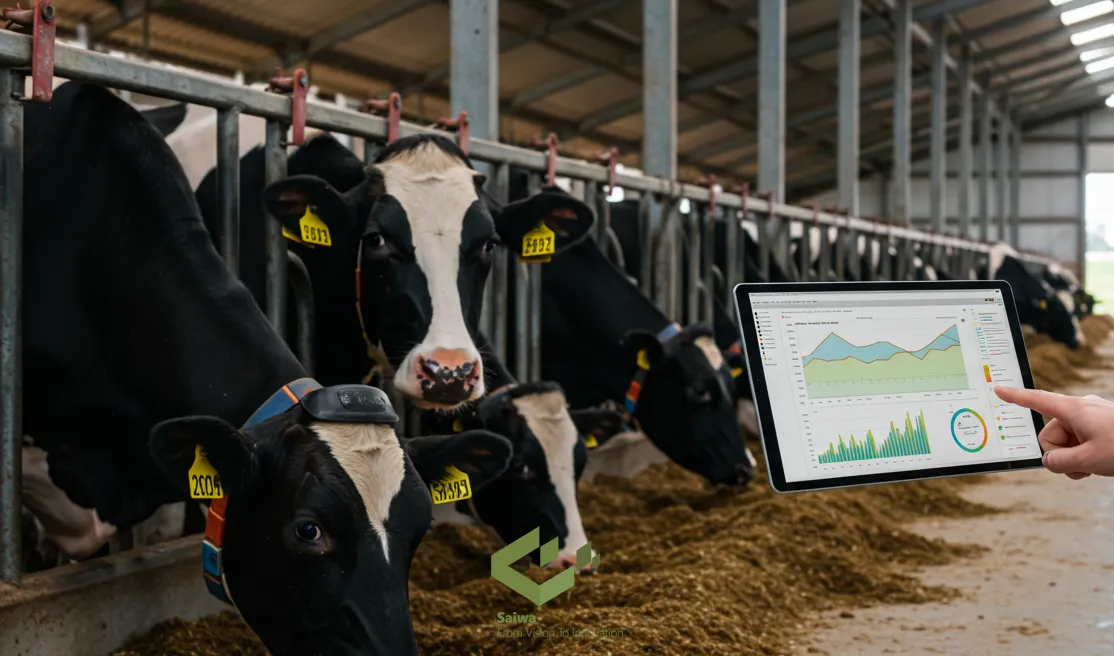
How to Turn Activity Data Into Better Dairy Decisions
Cow activity monitors are most valuable when they are used as decision-support tools, not as stand-alone replacements for stockmanship. The strongest results come from combining activity alerts with rumination trends, health records, breeding status, and on-farm observation so that each alert is interpreted in context rather than in isolation.
Why one signal is not enough
An increase in movement may indicate estrus, but it can also reflect social disturbance, heat stress, or changes in pen conditions. In the same way, a drop in rumination can be an early warning sign, yet it does not identify the cause on its own.
That is why good dairy management depends on pattern recognition across multiple indicators. A monitor may tell you that behavior has changed, but the management value comes from understanding whether that change points to reproduction, illness, or environmental stress.
What research shows about performance
Published studies show that automated activity monitoring can improve reproductive management, but results vary by system, herd, and management style. In one large dairy study, automated activity monitoring achieved 83.8% accuracy for estrus detection, compared with 75.1% for visual observation, and cows detected by the monitoring system had a higher pregnancy rate at 200 days in milk than cows detected only by visual observation.
Another 2023 study reported 96.8% overall accuracy for estrus detection from a collar-based activity and rumination monitoring system, with sensitivity of 96.3% and specificity of 97.0%.
At the same time, research also shows that exclusive reliance on automated alerts is not always recommended, because detection efficiency and false alerts can still vary across systems and farm conditions.
A practical response framework
Farm teams usually get the best value from monitors when alerts trigger a structured follow-up process:
Review the cow’s recent activity trend rather than reacting to a single spike or drop.
Check rumination, feeding behavior, and milk or health records to see whether the alert supports an estrus event or a possible health issue.
Confirm the cow visually before insemination or treatment, especially in high-value breeding and fresh-cow groups.
Track alert outcomes over time so thresholds can be adjusted to match herd conditions and reduce unnecessary interventions.
Where monitors help beyond estrus detection
These systems are also useful for heat-stress awareness and early health surveillance. A peer-reviewed heat-stress study found that as temperature-humidity pressure increased, activity rose while rumination time declined, with daytime rumination showing the strongest drop.
That matters on commercial dairies because changes in rumination and activity can appear before obvious production losses or visible signs of discomfort.
Validation research also shows that automated systems are especially strong at tracking rumination, eating, and resting behavior, which makes them useful for ongoing herd monitoring even outside breeding windows.
Use case | What the monitor can reveal | Best management response |
Estrus detection | Sharp behavior changes that may identify the breeding window. | Confirm with visual observation and breeding records before insemination. |
Early health screening | Reduced rumination or abnormal daily behavior patterns. | Check the cow promptly for lameness, mastitis, feed intake issues, or transition stress. |
Heat-stress monitoring | Higher activity with lower rumination under rising thermal load. | Review cooling, shade, ventilation, and water access before production drops escalate. |
This is the practical takeaway for dairy managers: the best monitor is not the one that sends the most alerts, but the one that helps the team respond earlier, verify faster, and manage each cow with better timing.
Impact on Dairy Farm Operations
This technology fundamentally reshapes daily workflows and strategic planning on the farm with its data-driven approach. Two major impacts are clear:
Optimizing Labor Efficiency
Automating the constant task of heat detection and health checks frees up valuable staff time. Employees can shift their focus from manual observation to higher-value responsibilities, boosting overall farm productivity.
Data-Driven Decision Making
These systems replace guesswork with evidence. Real-time alerts on individual cows or the entire herd enable immediate, informed decisions that enhance animal welfare and improve economic returns.
Sairone: AI-Powered Technology for Animal and Environmental Monitoring
While monitors focus on individual animals, our Sairone platform extends this intelligent approach to your entire farm ecosystem. Using advanced AI analysis of drone imagery, Sairone provides crucial insights for comprehensive resource management.
Our services deliver detailed plant health monitoring for pastures and support crop yield estimation for your feed sources. This holistic view ensures that your animals and the environment that sustains them are managed with maximum efficiency.
Conclusion
Adopting technologies like Cow Activity Monitors is a pivotal step toward building a more resilient and profitable dairy operation. This data-driven approach fosters superior animal health, enhances reproductive success, and streamlines farm labor. By integrating intelligent monitoring, you are not just investing in hardware; you are investing in a smarter, more sustainable future for your farm.
Note: Some visuals on this blog post were generated using AI tools.
About the team
Continue reading

Climate Smart Agriculture Techniques - Greening the Fields
Climate-smart agriculture (CSA) refers to agricultural practices that sustainably increase productivity, enhance resilience, and reduce or r
Corn Monitoring System | Modern Technologies Farmers Use to Maximize Yields
The challenge of modern agriculture is moving beyond intuition to data-driven precision, a shift especially critical in corn cultivation. Tr

AI for Seed Quality | Smarter Farming Solutions
Seed quality plays a pivotal role in agriculture, directly influencing crop yield, plant health, and overall food security. Traditional meth

Chamomile Weed Management - Crop Protection Through Smart Technologies
Chamomile in Crop Fields: Characteristics, Risks, and Control ImportanceChamomile species (such as Matricaria chamomilla and Anthemis arvens
Fields from Above | Innovations in Agricultural Drone Mapping
Agriculture is under increasing pressure to produce higher yields with fewer resources to meet global food demand. However, challenges such
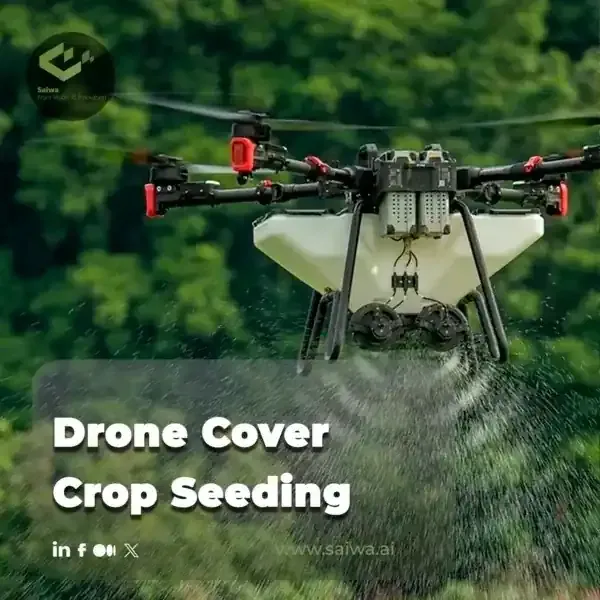
Drone Cover Crop Seeding | A Comprehensive Guide
Drone cover crop seeding is an innovative agricultural technique that leverages unmanned aerial vehicles (UAVs) to distribute cover crop see
Comments
Be the first to share your thoughts
No comments yet
Start the conversation by sharing your thoughts
Share this article
Help others discover this content
Table of Contents
No headings were found on this page.