



How Precision Spraying Technology Is Transforming Farming Efficiency
Learn how precision spraying technology boosts agricultural efficiency by targeting crops accurately, reducing waste, and minimizing environmental impact.
Written by Maryam
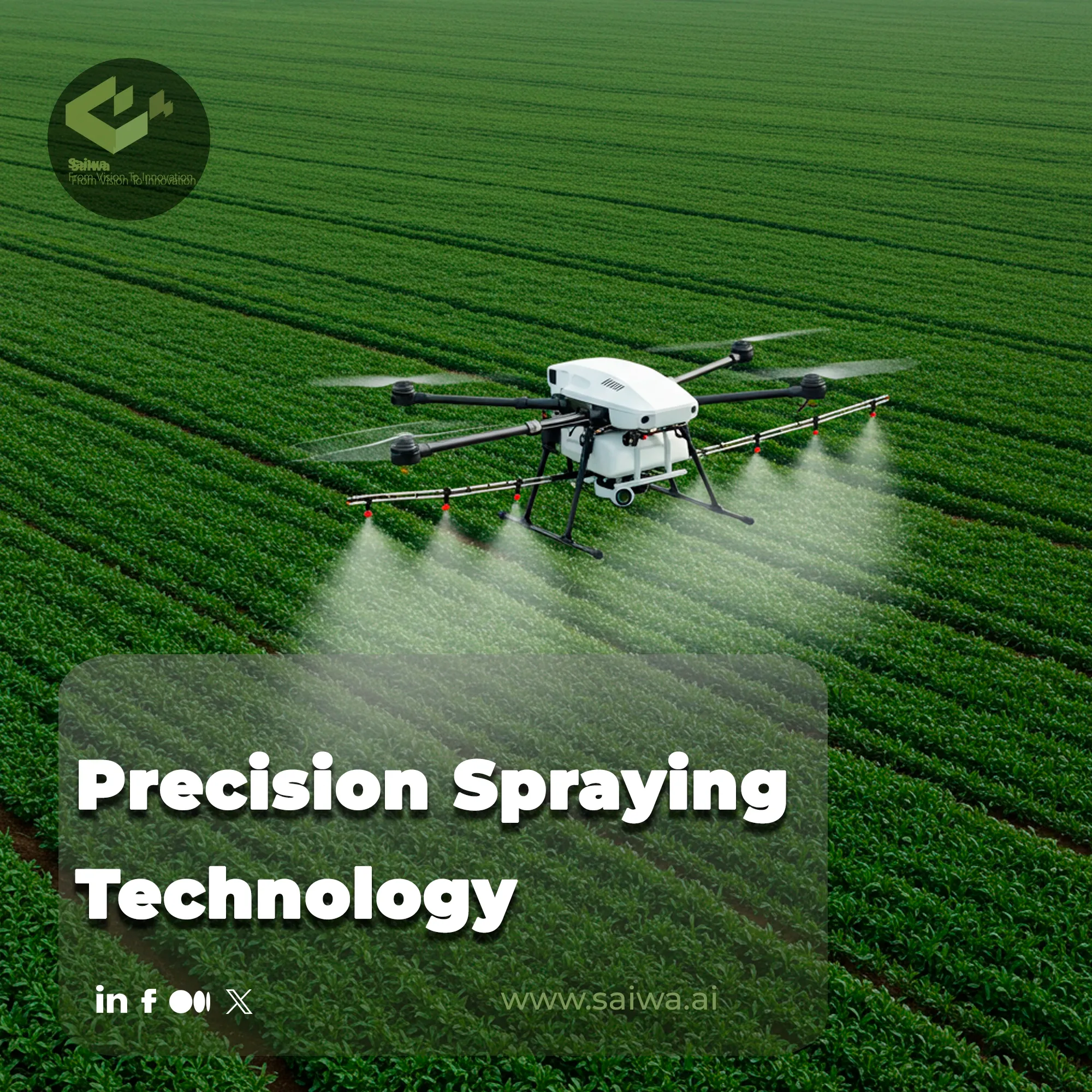
Modern agriculture operates under the immense pressure to boost productivity while simultaneously minimizing its ecological footprint. The era of broadcast chemical application is giving way to a more intelligent, targeted approach. Advanced AI platforms, such as those developed by Saiwa, are at the forefront of this shift, turning complex field data into actionable insights.
This article dissects the core mechanics, operational benefits, and advanced technologies that define this agricultural evolution, offering a clear guide to enhancing farm efficiency through precision.

Essential Elements of Precision Spraying
The effectiveness of Precision Spraying Technology relies not on a single tool but on an ecosystem of coordinated components. This integration allows for a surgical approach to crop treatment. Key pillars of this system include:
Sensing and Detection Systems
These are the eyes of the operation. Advanced optical and thermal sensors differentiate crops from weeds (“green-on-green”) or plants from bare soil (“green-on-brown”), feeding real-time data to the sprayer’s control unit for instantaneous decision-making.
Variable Rate, Patch, and Spot Spraying Methods
Moving beyond uniform application, these methods deliver chemicals only where needed. Variable Rate Technology (VRT) adjusts the amount of spray based on a pre-programmed map or sensor data, while patch and spot spraying target specific problem areas or individual plants.
Pulse Width Modulation (PWM) Nozzles & Flow Control
PWM systems provide unparalleled control over spray application. By rapidly pulsing individual nozzles, they maintain a consistent spray pattern and pressure across a wide range of speeds, significantly reducing chemical drift and ensuring each droplet is optimized for its target.
GPS Guided Systems and Mapping
High-precision GPS and GNSS receivers guide equipment with sub-inch accuracy, eliminating overlaps and skips. These systems generate "As-Applied" maps, creating invaluable data records that inform future soil management and treatment strategies.
Benefits of Precision Spraying in Modern Agriculture
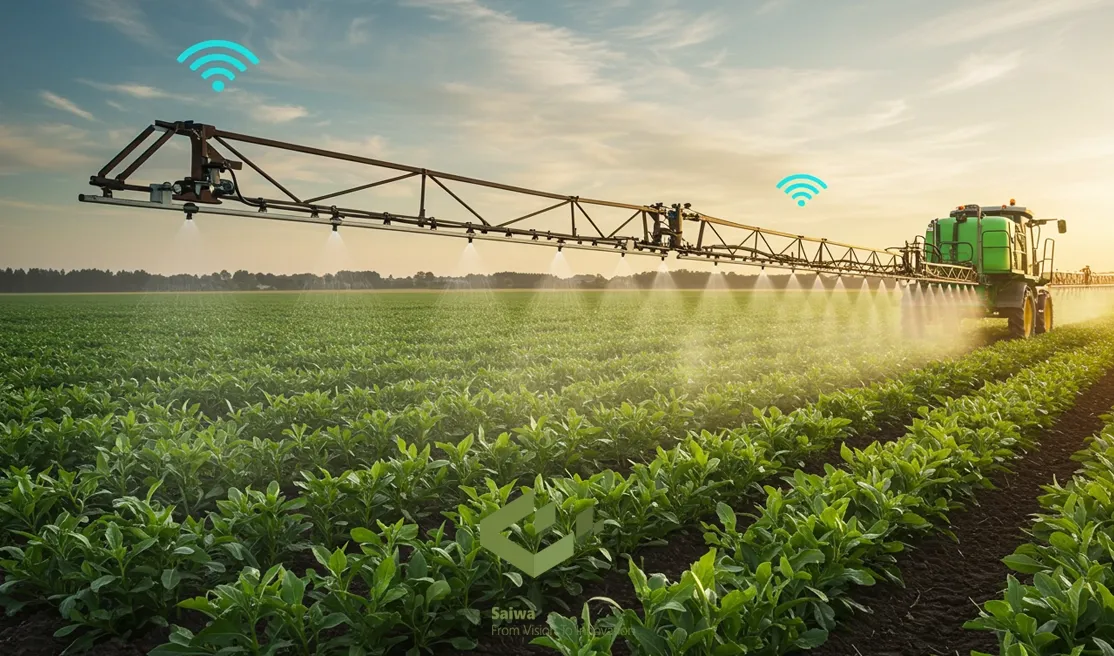
Adopting this data-driven methodology yields tangible and well-documented results across operational, financial, and environmental domains. The primary advantages consistently observed in field studies offer compelling incentives for producers:
Reduced Input Costs: By targeting only necessary areas, herbicide consumption can be drastically cut—studies show an average reduction of 76%. This efficiency in Weed detection directly translates into significant financial savings on chemicals.
Faster Insights and Smarter Decisions: The constant flow of data from sensors and GPS provides farmers with a detailed understanding of their fields. This information supports more informed, proactive management decisions season after season.
Lower Environmental Impact: Precise application minimizes chemical runoff into waterways and soil, protecting local ecosystems, groundwater, and beneficial insects. This aligns operations with increasingly vital Environmental, Social, and Governance (ESG) criteria.
Stronger Compliance and Risk Control: Automated and detailed records of chemical usage simplify reporting and ensure adherence to strict environmental regulations, reducing the risk of legal liabilities associated with off-target spray drift.
- Human Health and Safety: Reducing unnecessary chemical exposure protects farm workers, nearby communities, and consumers from potential health hazards associated with pesticides.
- Improved Crop Quality: Targeted spraying reduces plant stress and prevents chemical overexposure, resulting in healthier crops, higher yields, and better marketable quality.
- Integration with AI and Robotics
Modern precision sprayers equipped with AI vision systems and autonomous navigation improve targeting accuracy and adaptability, even under variable field conditions—making every application smarter and more sustainable.
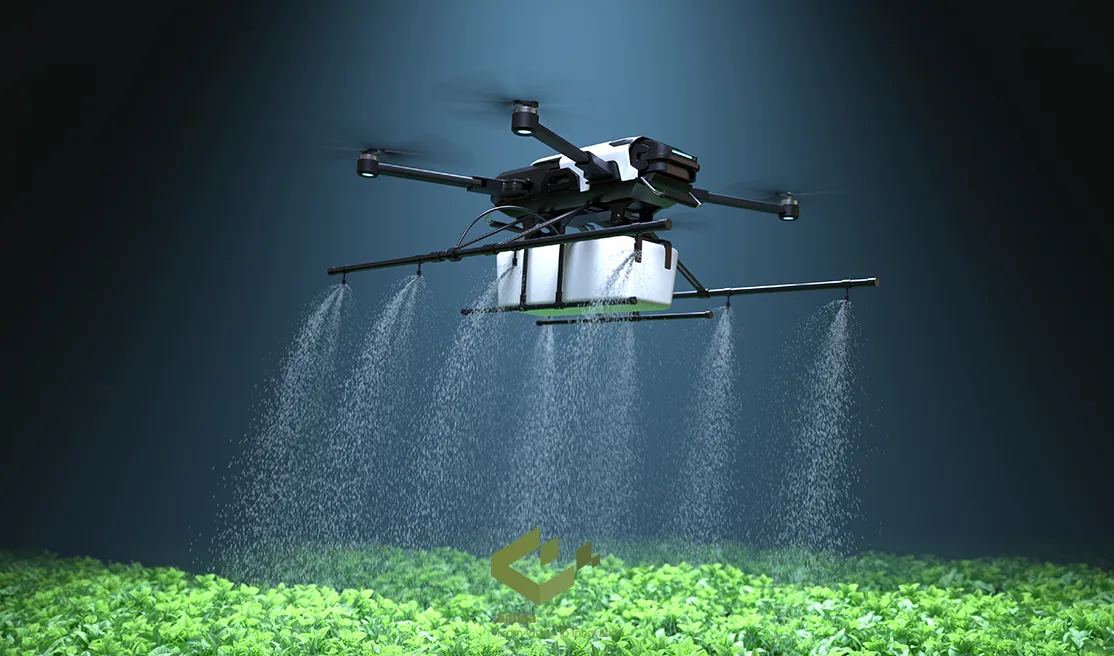
To clearly illustrate the advantages of AI-powered precision spraying over conventional methods, the following table compares key Features of traditional spraying with modern, data-driven approaches.
Feature | Traditional Spraying | Precision Spraying (AI-Driven) |
Scalability & Coverage | Limited by labor and machinery | Efficient coverage even on large or complex fields |
economical Efficiency | High input costs due to over-application | Significant cost savings through optimized usage |
Data Insights | Minimal; relies on visual inspection and manual logs | Continuous sensor & GPS data provides real-time, actionable field insights |
Chemical Usage | Broad, blanket application; high consumption and waste | Targeted application; up to 76% reduction in herbicide use |
Environmental Impact | Higher risk of runoff, soil contamination, and harm to beneficial insects | Minimizes chemical runoff, protects soil, water, and ecosystems |
Human Health & Safety | Increased exposure risk for workers and nearby communities | Reduced exposure due to targeted spraying |
Crop Quality & Yield | Uneven coverage may stress plants; potential crop loss | Healthier crops, improved yield, and better marketable quality |
Compliance & Reporting | Manual records; risk of non-compliance | Automated, accurate records simplify reporting and ensure regulatory compliance |
Decision Making | Reactive; based on observations and past experience | Proactive; data-driven decisions for timely interventions |
Advanced Technologies Powering Precision Spraying
The evolution of Precision Spraying Technology is profoundly accelerated by integrating next-generation innovations that enhance autonomy and analytical power. These systems are pushing the boundaries of what is possible, as demonstrated in the following areas:
Autonomous Robots
Ground-based robotic platforms can navigate fields day and night, methodically identifying and treating weeds or pests without human intervention, offering a solution to labor shortages and increasing operational windows.
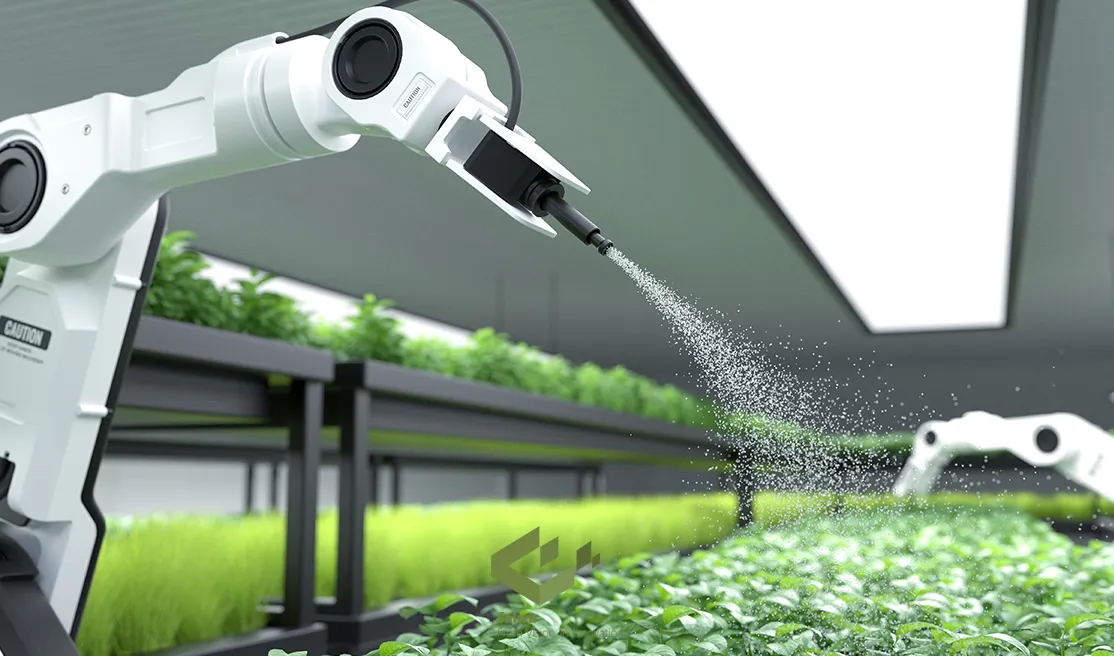
Integrated Machine Learning Decision Systems
At the heart of modern systems are sophisticated machine learning models that interpret sensor data in real time. Building such robust models often leverages foundational AI services, including the object detection tools available through platforms like Fraime, empowering developers to create specialized agricultural recognition solutions.
Remote Sensing
Imagery from satellites and aircraft provides a macro-level view of crop health across vast areas, identifying stress zones that may require targeted scouting and intervention long before they are visible to the naked eye.
Drone-Based Spraying
Drones offer unparalleled agility for treating hard-to-reach areas or for spot-spraying infestations with high precision, representing an efficient tool for rapid-response applications without causing soil compaction.
What Determines Real-World Precision Spraying Performance?
Precision spraying does not succeed because a farm owns a camera, a drone, or a GPS-guided sprayer. It succeeds when sensing, decision logic, and application control work together closely enough that the right product reaches the right target at the right rate and timing.
That distinction matters because the current article already shows that modern systems combine optical and thermal sensing, variable-rate and spot application methods, PWM nozzle control, and GPS-guided mapping. In practice, the value of the system depends on how well those components stay aligned under real operating conditions such as changing speed, mixed weed pressure, and irregular field geometry.
Detection quality comes first
A sprayer can only be as precise as its detection layer. The article explains that sensing systems act as the “eyes” of the operation by distinguishing crops from weeds or plants from bare soil and feeding that information to the control unit for near-instant decisions.
That means poor detection is not a minor software issue. It directly affects whether a nozzle opens at the right moment or misses a target completely.
This is also where AI-driven weed analysis becomes operationally important. Sairone’s weed and invasive plant control workflow is built around image and video analysis, species detection, and downloadable weed distribution outputs in GIS-ready formats such as GeoJSON, Shapefile, KML, and CSV, which helps convert visual recognition into treatment-ready field zones.
Application accuracy depends on control stability
Once a target is detected, spray quality depends on how consistently the system can execute the decision. The article notes that PWM nozzles help maintain a stable spray pattern and pressure across different travel speeds, while GPS and GNSS guidance reduce skips and overlaps and generate as-applied records for future management.
This combination is what separates precision spraying from simple section control. A system may identify weeds correctly, but if nozzle timing, pressure stability, or vehicle guidance are inconsistent, chemical savings and coverage quality will both suffer.
A practical evaluation framework
Professional growers and ag-service providers can evaluate a precision spraying setup with a short checklist before scaling it across large acreage:
Confirm that the sensing system can reliably separate the intended target from crop canopy or background conditions.
Check that the prescription logic matches the task, whether that means spot treatment, patch spraying, or variable-rate application.
Verify that nozzle control remains stable across speed changes and turning patterns.
Review GPS accuracy and as-applied maps to confirm that coverage matches the planned treatment zone.
Compare post-application results with detection outputs so the workflow improves over time rather than repeating the same errors.
Performance factor | Why it matters in the field |
Detection accuracy | Determines whether the system treats the correct weed, patch, or stress zone in the first place. |
Nozzle and flow control | Protects droplet consistency and prevents precision from collapsing when speed changes. |
Guidance accuracy | Reduces overlaps, skips, and unnecessary chemical use. |
Output records | As-applied maps and GIS exports make later review, compliance, and optimization possible. |
Why this improves efficiency
The article already cites an average herbicide reduction of 76% as one of the strongest operational benefits of precision spraying. That kind of result is only realistic when detection, targeting, and execution are all working together consistently.
In other words, precision spraying efficiency is not created by automation alone. It is created by a closed loop in which field sensing identifies the problem, control systems apply the response accurately, and digital records make the next treatment cycle smarter than the last one.
Where Sairone fits
This is where Sairone adds practical value beyond image analysis alone. Its weed-control solution supports cloud-based processing, high-accuracy species detection, GIS-ready output files, and flexible delivery through a web platform, API integration, or white-label deployment, which makes it suitable for growers, agribusinesses, and precision service providers that need treatment-ready intelligence rather than raw imagery.
For modern farm operations, that is the real promise of precision spraying: not simply using less chemical, but applying agronomic intelligence with enough spatial accuracy to improve cost control, compliance, and crop protection at the same time.
Unlocking New Possibilities in Precision Spraying with Sairone
Platforms like Sairone exemplify the synthesis of these advanced technologies. By analyzing high-resolution drone imagery, Sairone translates complex visual data into practical, field-level directives. Its AI-driven suite automates critical analyses essential for Plant health monitoring, empowering growers to make data-backed decisions that optimize input use, predict yields, and drive a new standard of agricultural efficiency.
Conclusion
Precision spraying has transcended being an optional upgrade to become a fundamental component of sustainable and profitable agriculture. It represents a critical pivot from volume-based to intelligence-based farming. By merging robotic accuracy with AI-driven analytics, this approach not only addresses the economic realities of modern farming but also champions the environmental stewardship essential for our future.
Note: Some visuals on this blog post were generated using AI tools.
About the team
Continue reading
Invasive Plant Monitoring - AI-Powered Farming Insights
The unchecked spread of invasive flora threatens agricultural productivity and ecological balance, demanding a paradigm shift in farm manage

Plant Disease Detection Using Image Processing - Transforming Agriculture
Plant diseases threaten global food production by weakening crops and reducing yields, yet many issues are noticed only after significant da
How Much Nitrogen Does Corn Need?
Determining the precise nitrogen requirement for corn is a critical agronomic challenge that extends far beyond traditional, simplified form

Weed Detection in Soybean Crops | Leveraging AI for Precision Agriculture
Soybean, a globally important crop and key source of protein and oil, suffers substantial yield losses from weed competition, affecting food
AI Weed Detection to Reduce Herbicide Resistance Pressure
Herbicide resistance becomes a larger operational challenge when weed populations are repeatedly exposed to the same herbicide modes of acti
Fields from Above | Innovations in Agricultural Drone Mapping
Agriculture is under increasing pressure to produce higher yields with fewer resources to meet global food demand. However, challenges such
Comments
Be the first to share your thoughts
No comments yet
Start the conversation by sharing your thoughts
Share this article
Help others discover this content
Table of Contents
No headings were found on this page.