




Taraxacum
Controlling Taraxacum in any Crops
No matter which variant, control them.
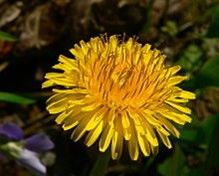
Taraxacum officinale
Taraxacum officinale, commonly known as the common dandelion
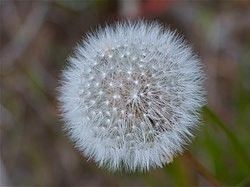
Taraxacum erythrospermum
Taraxacum erythrospermum, commonly known as the red-seeded dandelion
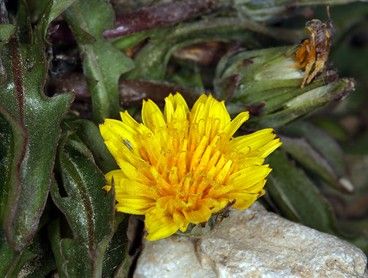
Taraxacum ceratophorum
Taraxacum ceratophorum, commonly referred to as the horned dandelion
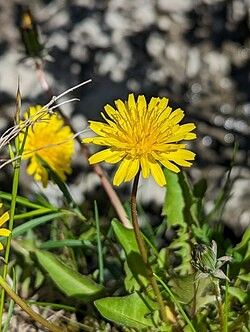
Taraxacum latilobum
Taraxacum latilobum, commonly known as the large-lobed dandelion
Taraxacum, commonly known as dandelion, is a widespread perennial weed found throughout temperate regions of the world, including North America, Europe, Asia, and parts of Australia and South America. It thrives in lawns, pastures, roadsides, and disturbed soils and is known for its resilience and ability to regrow from deep taproots. Dandelions are especially common in no-till or minimally tilled systems where soil disturbance is low.
Dandelions are easily identified by their rosette of deeply toothed leaves, bright yellow composite flowers, and fluffy seed heads (pappus) that disperse by wind. They grow low to the ground but send up tall, hollow stalks when flowering. The primary species is Taraxacum officinale, but there are hundreds of microspecies and apomictic variants (reproducing without fertilization), particularly in Europe. These variants differ slightly in leaf shape, size, and flowering time but are often grouped under the Taraxacum officinale complex due to their close genetic relationship.
While dandelions are not typically a major threat to row crops, they can be problematic in forage crops, turfgrass, orchards, and occasionally cereal crops. They compete with desirable plants for nutrients and moisture and can interfere with harvests or reduce aesthetic and grazing quality. Their long taproot makes mechanical removal difficult, and they are resistant to some post-emergent herbicides. Effective control involves a combination of proper mowing, selective herbicides, and maintaining dense, competitive vegetation.
Example of processing and outputs
A variety of outputs are available
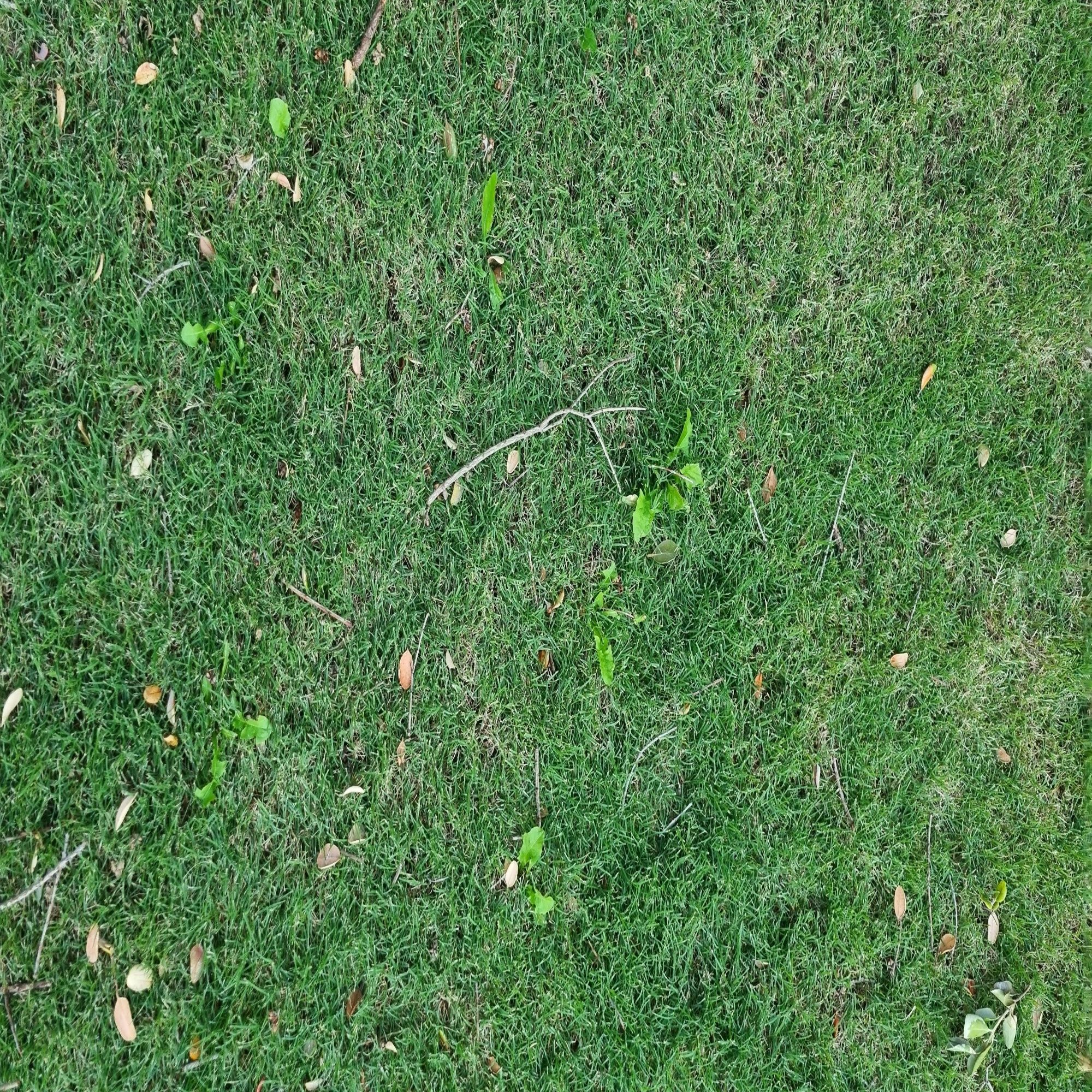
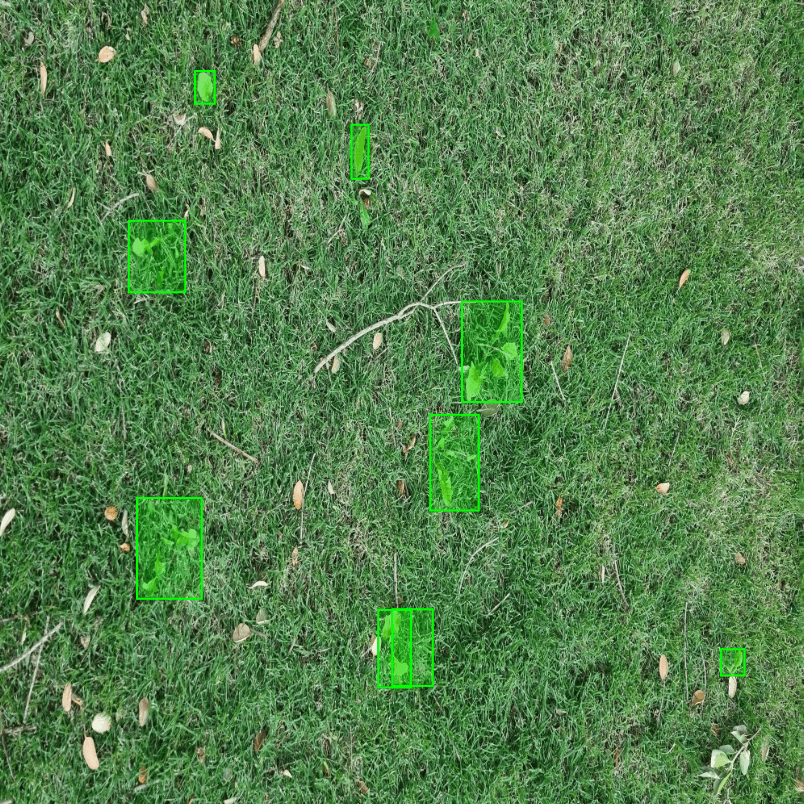
We employ a cutting-edge, real-time object detection model to identify Taraxacum and other invasive species efficiently. This model is designed to balance high-speed inference with accuracy, making it ideal for real-time applications.
Ready to elevate your Images/Videos?
How it works?
Easy to use online cloud-based web service

Upload Images/videos
Aerial videos/images in various formats Orthophoto/TIFF images RGB, multispectral, thermal Surveillance (CCTV) cameras Agricultural machinery camera
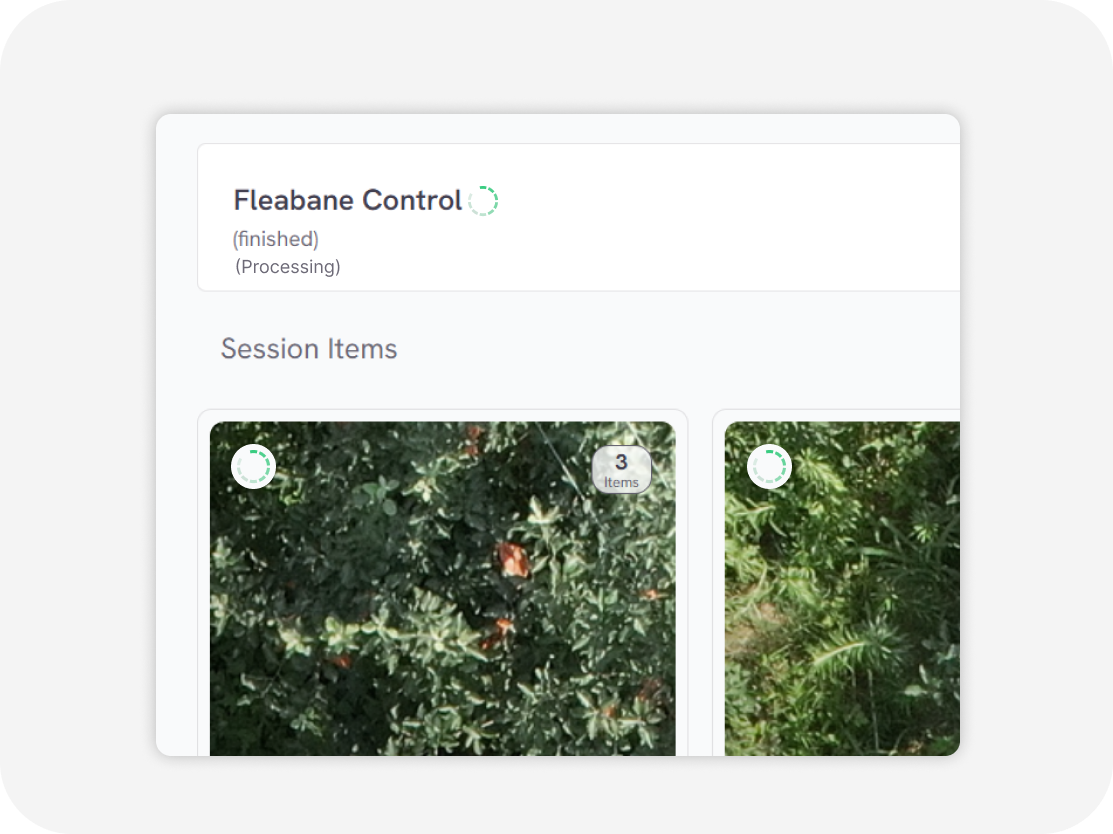
Processing
in second
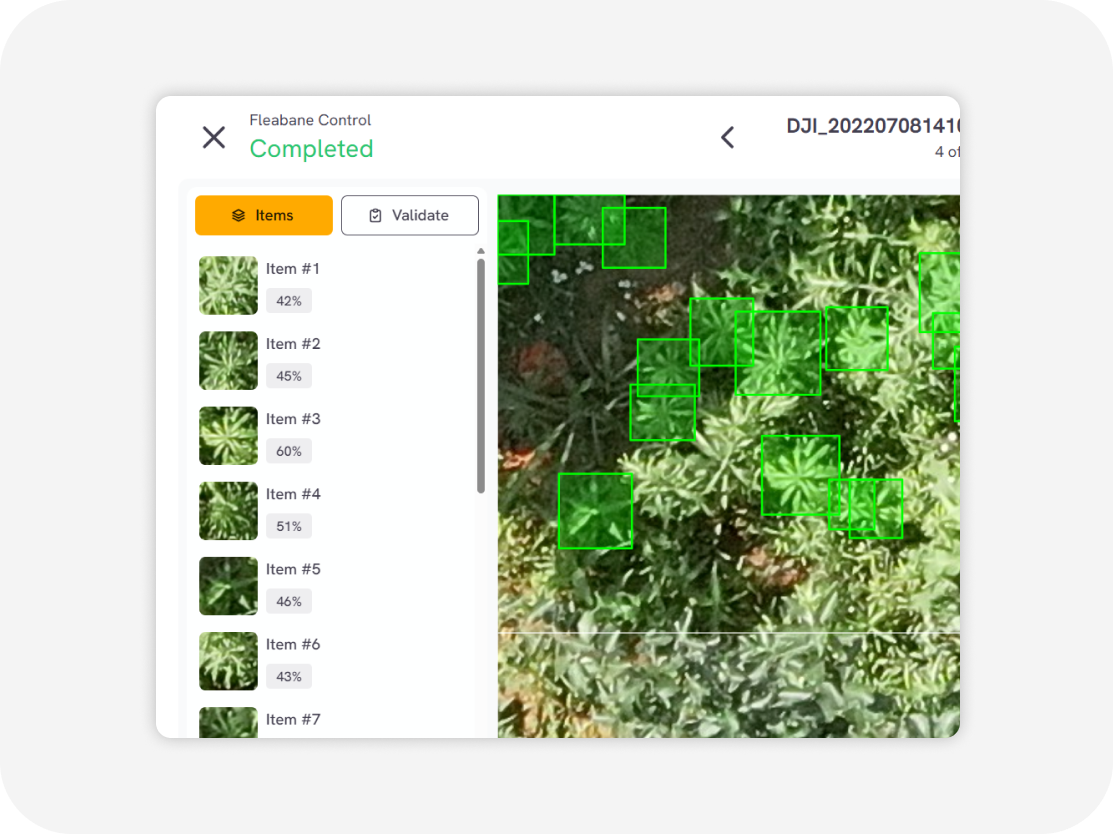
Download output
Weed distribution map with GIS data Weed clustering map with GIS data (GeoJSON, Shapefile, KML, CSV)
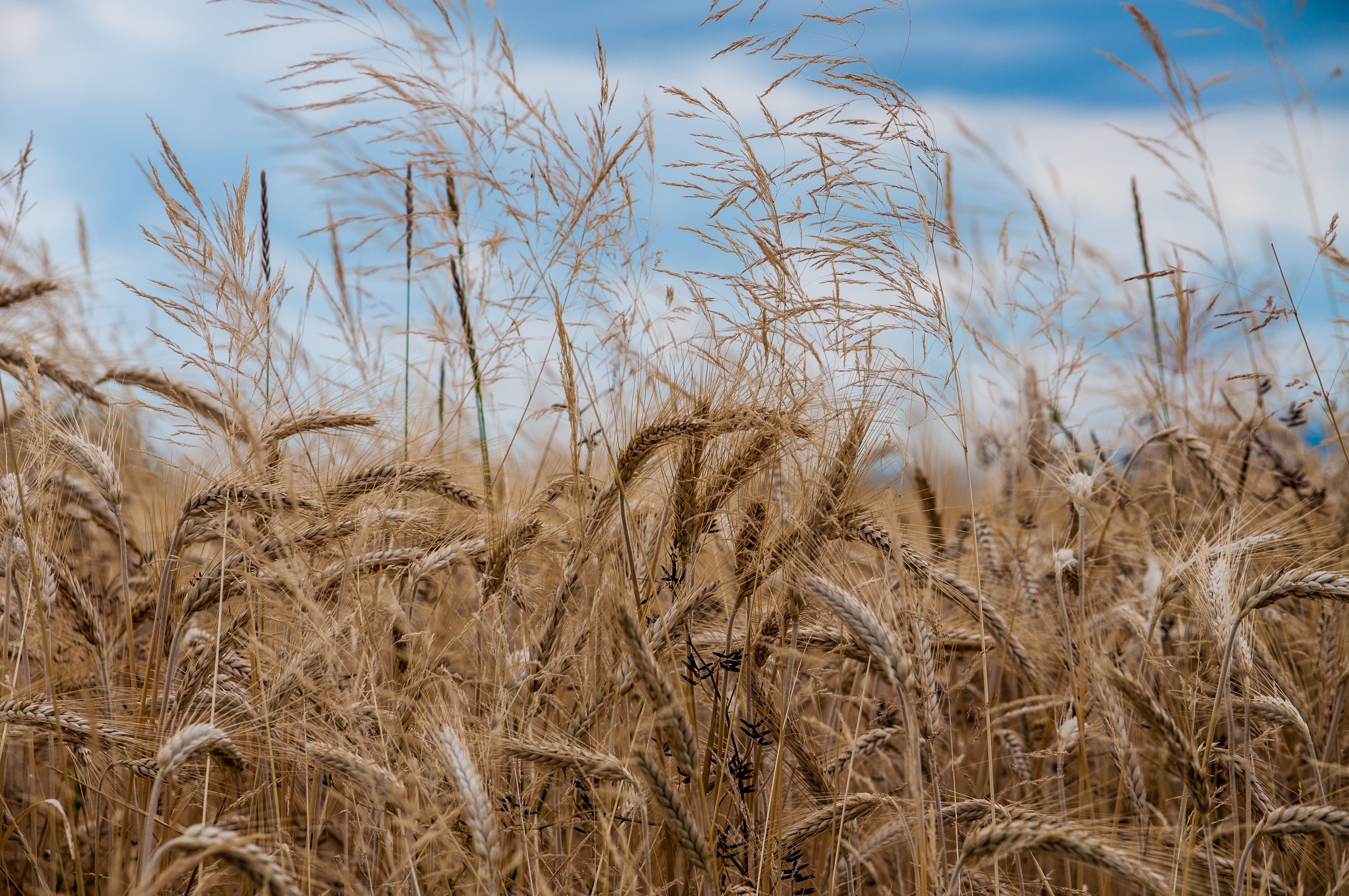
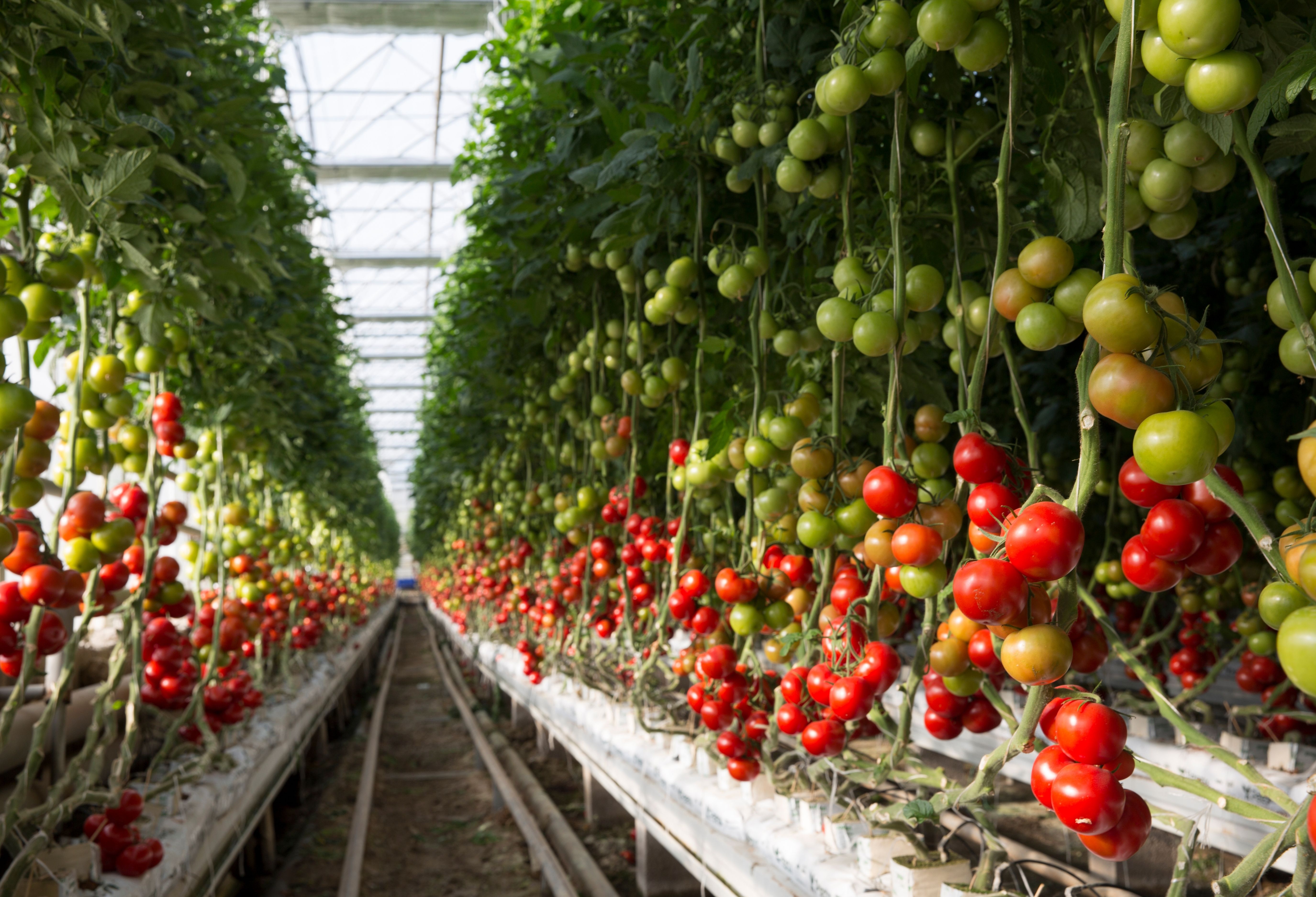
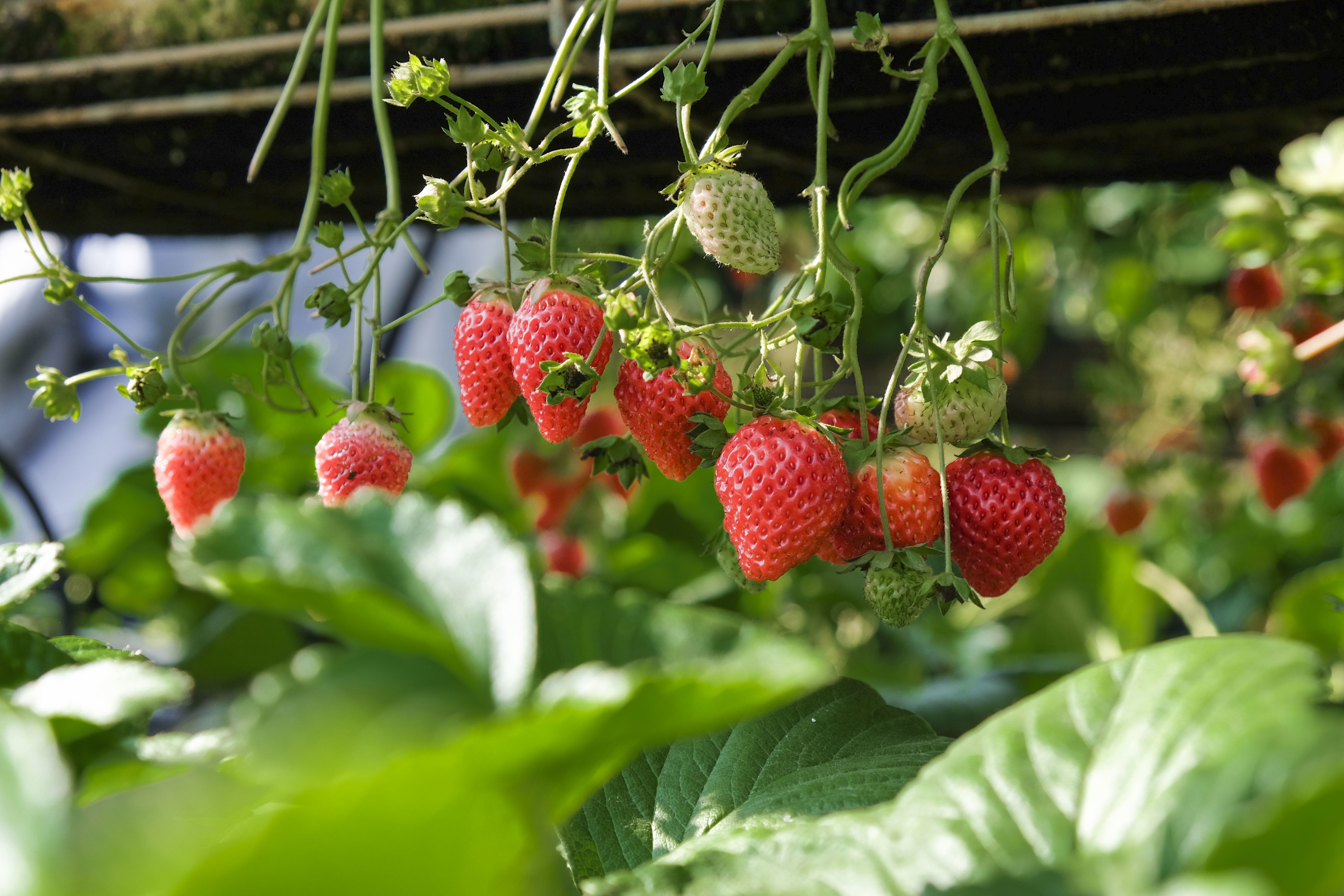
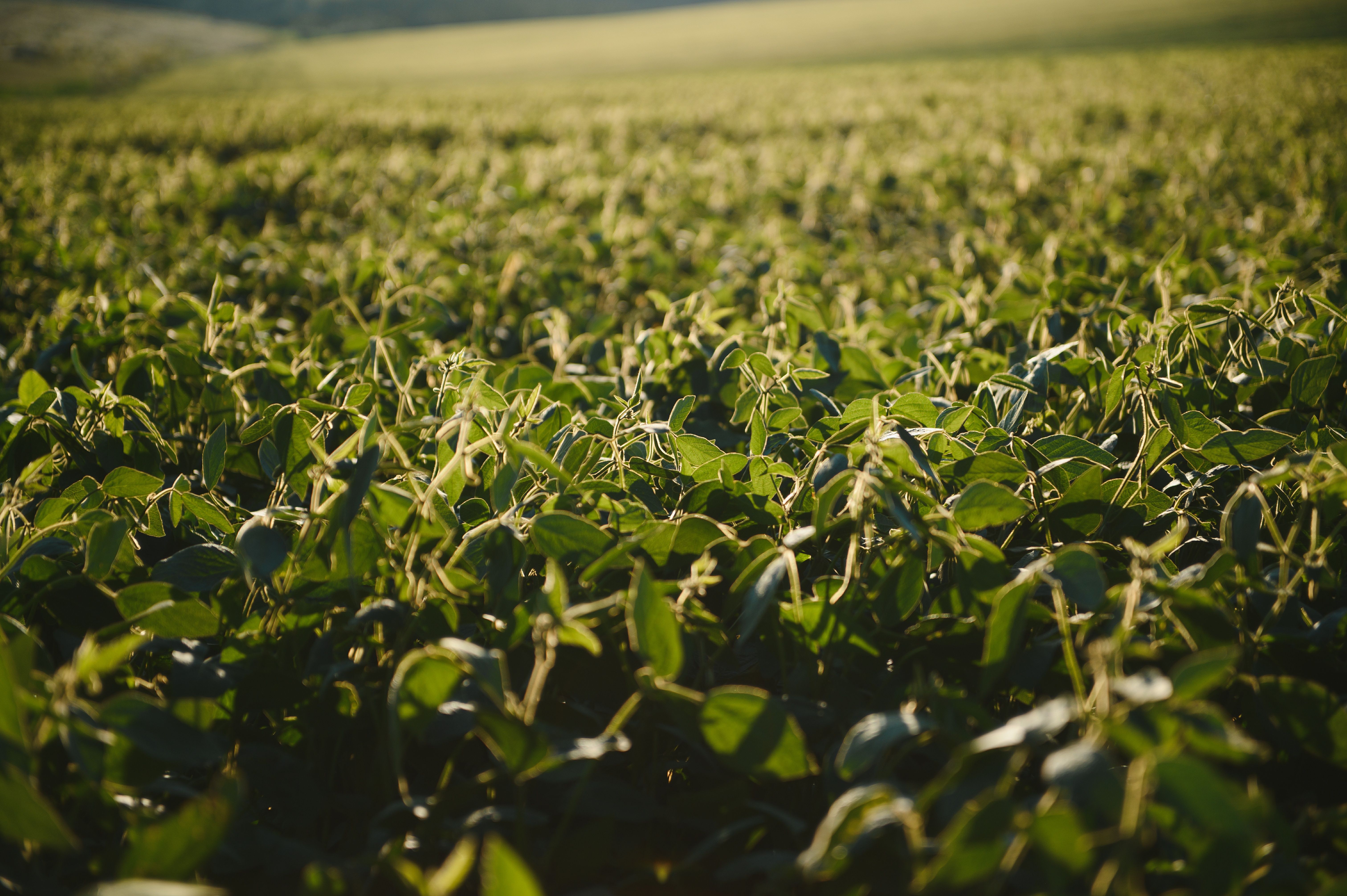
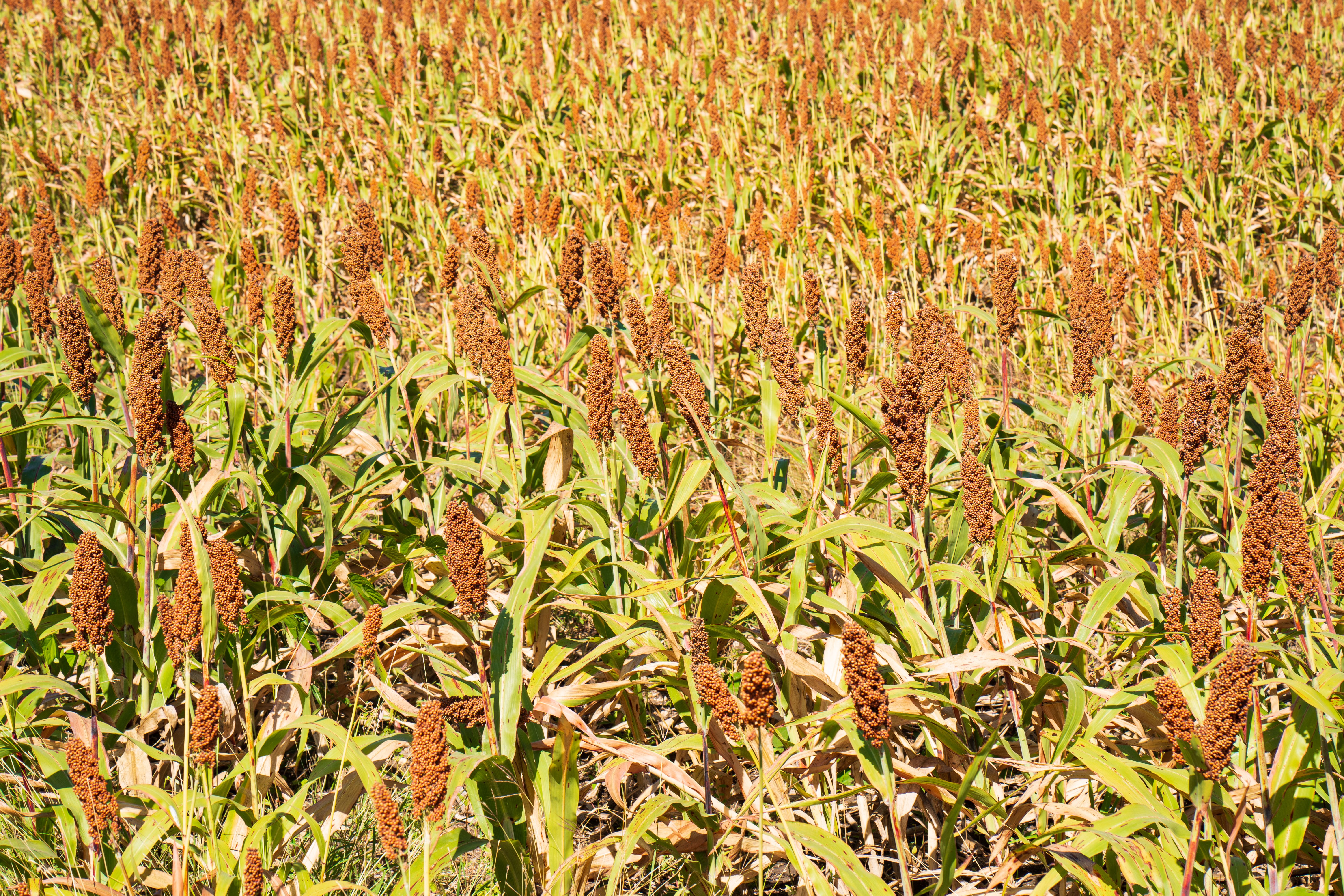
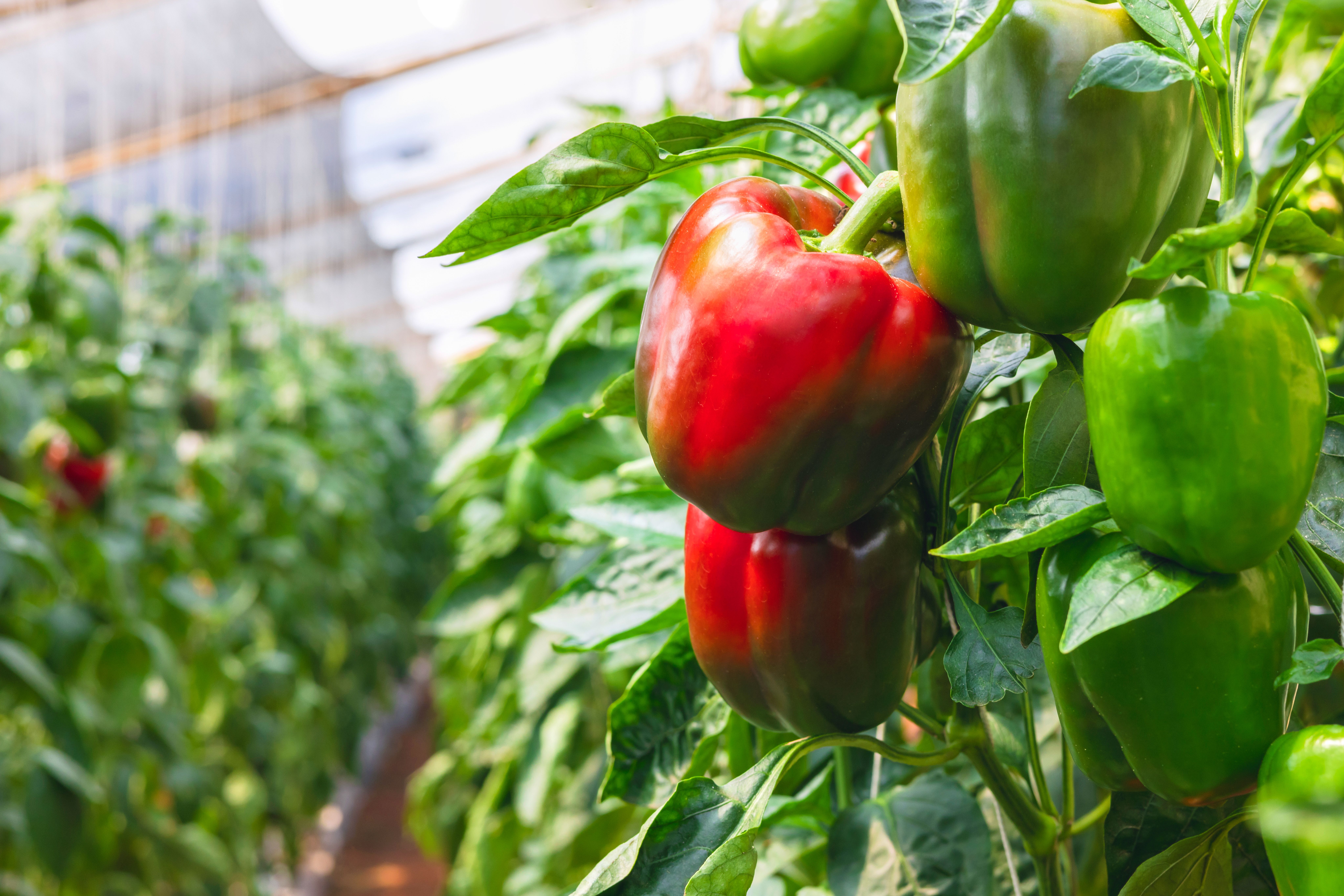
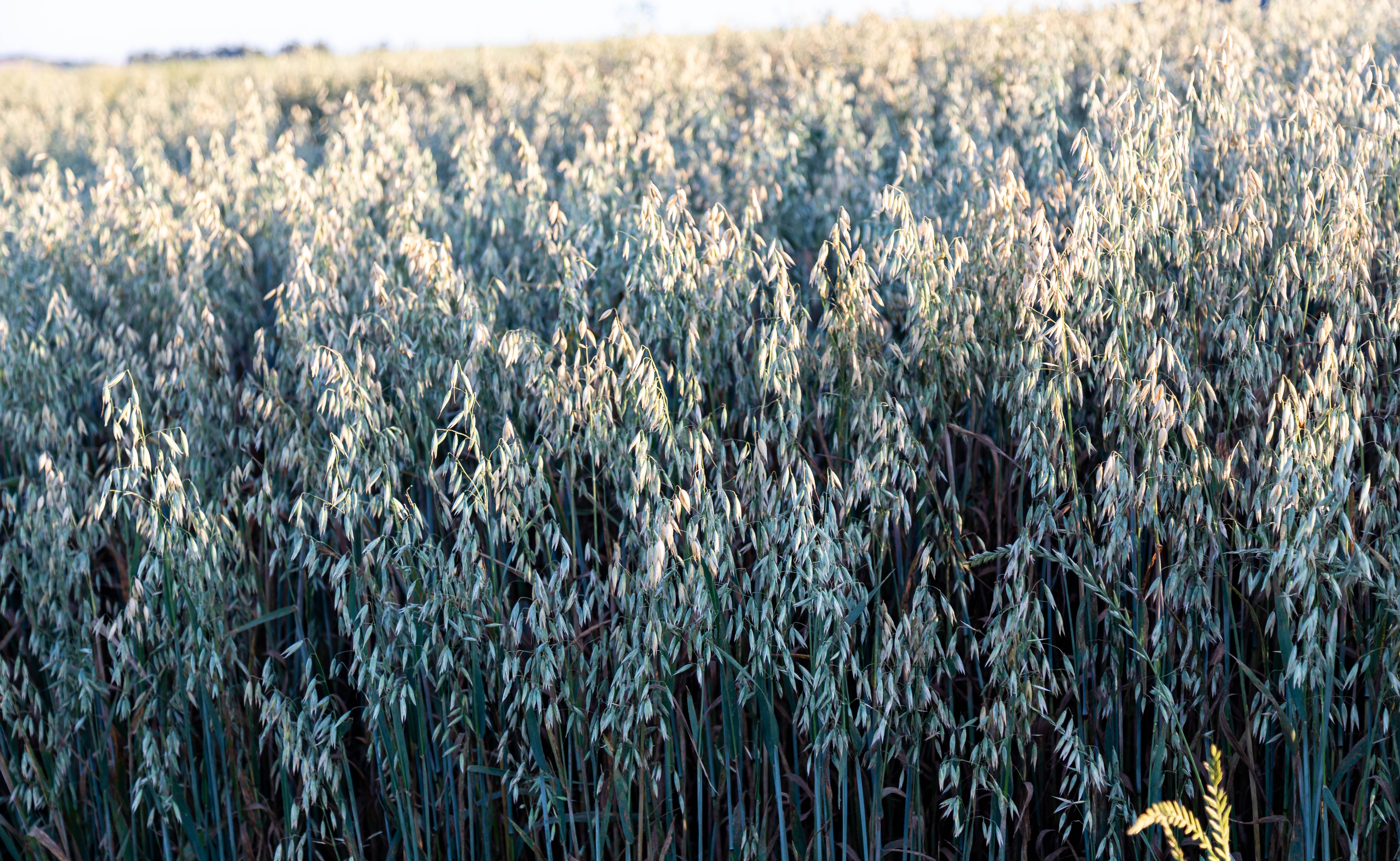
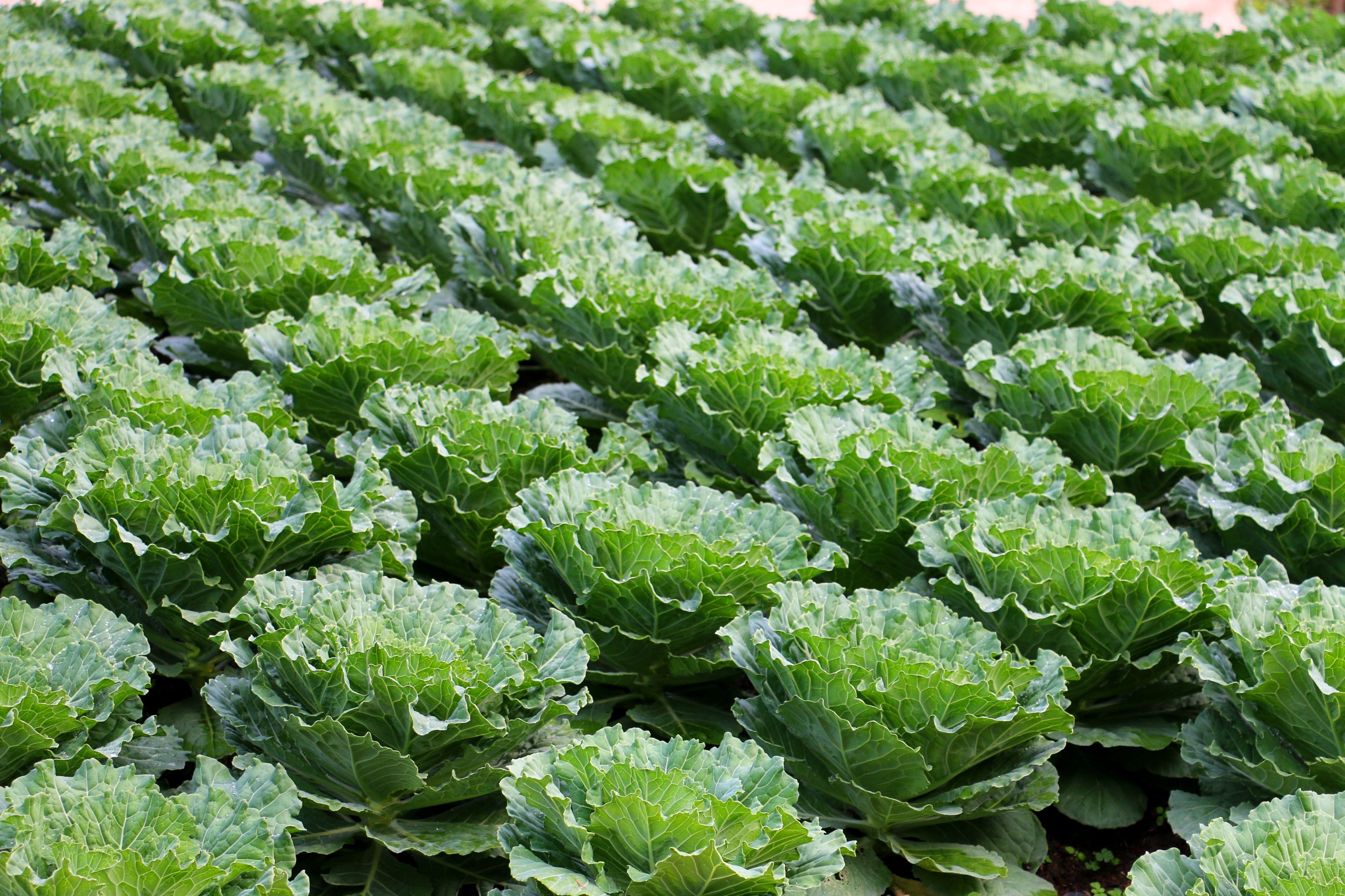
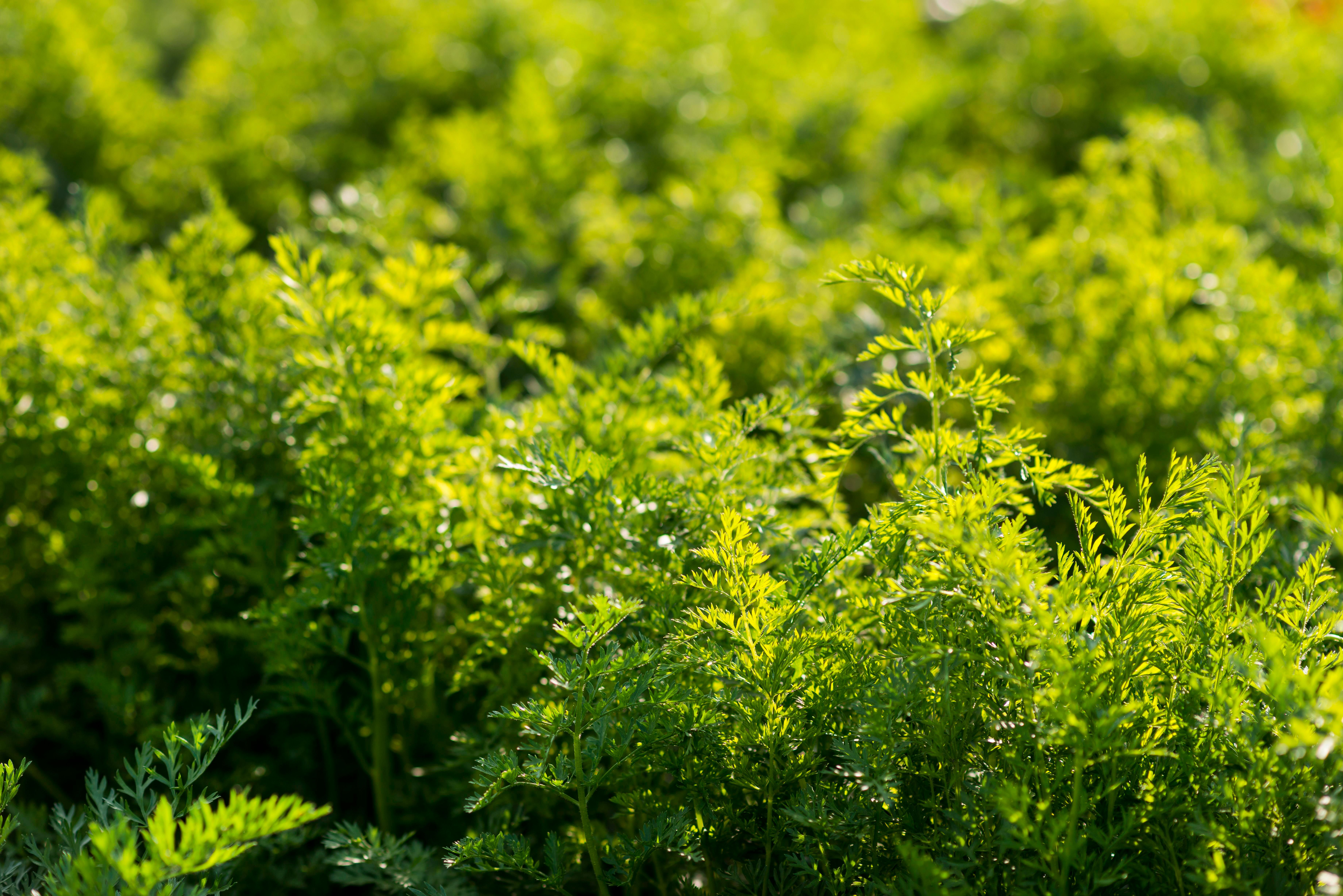
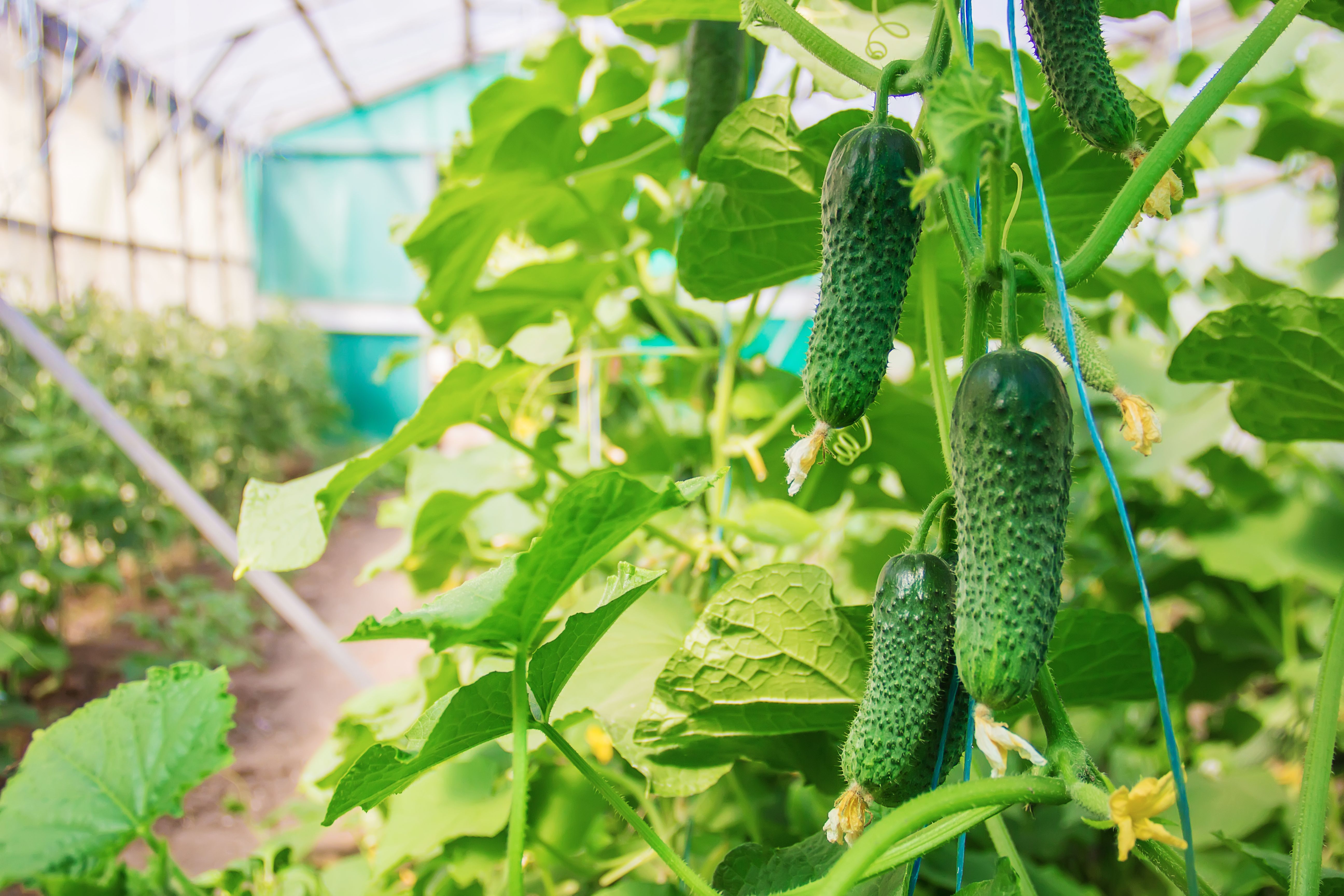
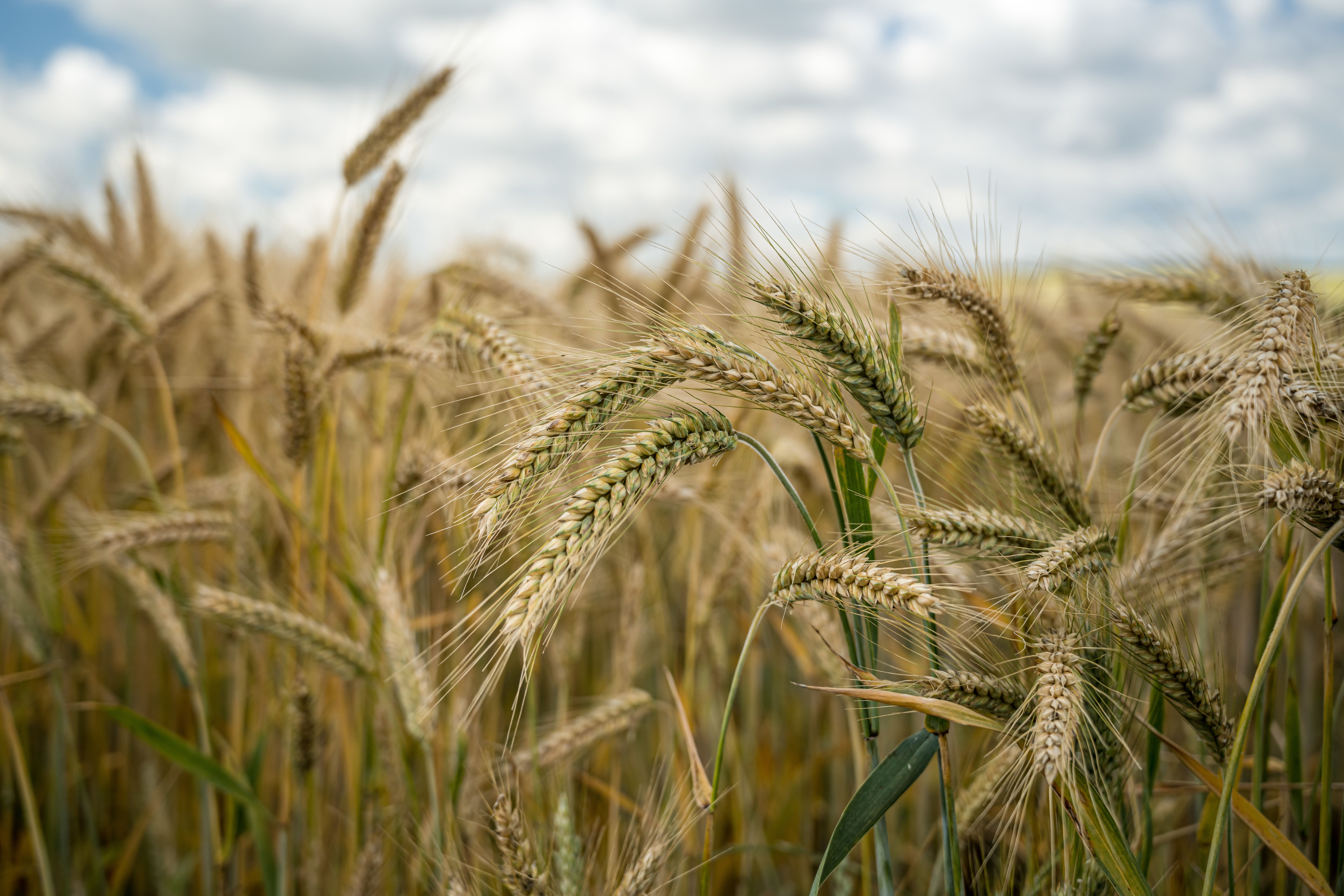
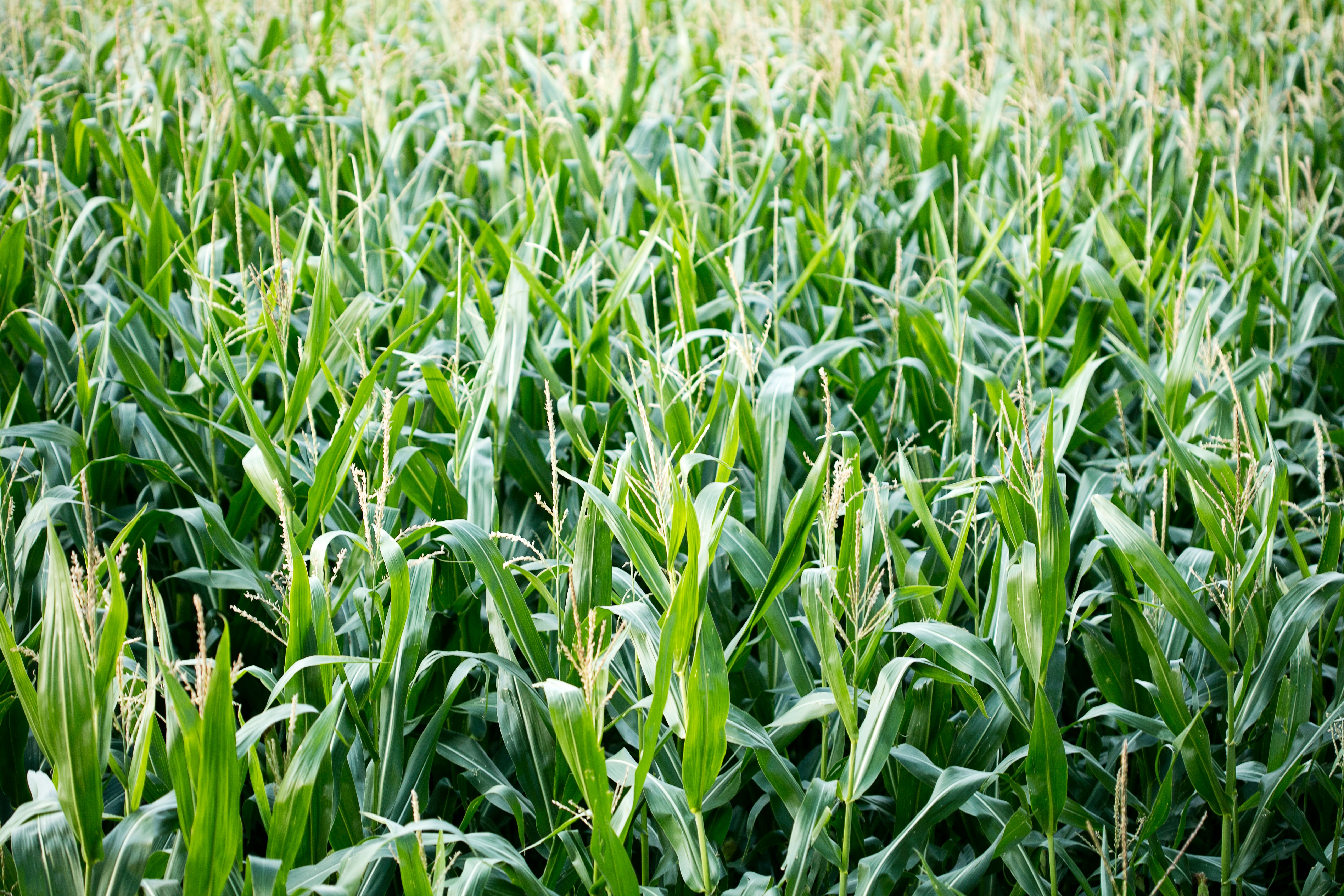
Taraxacum control in various crops

Flexible Service Delivery
API Integration
Seamlessly connect Sairone’s advanced AI services to your existing systems through modular, easy-to-use APIs.
Fully White-Labeled Solutions
Get a tailor-made version of Sairone—branded, customized, and built specifically for your unique business needs.
Online Web Application
Use our powerful online platform with scalable cloud processing and budget-friendly
Try it for free now
Contact us if you have any questions