Empowering growers, agri-corporations, and agro-service providers
Benefits you get
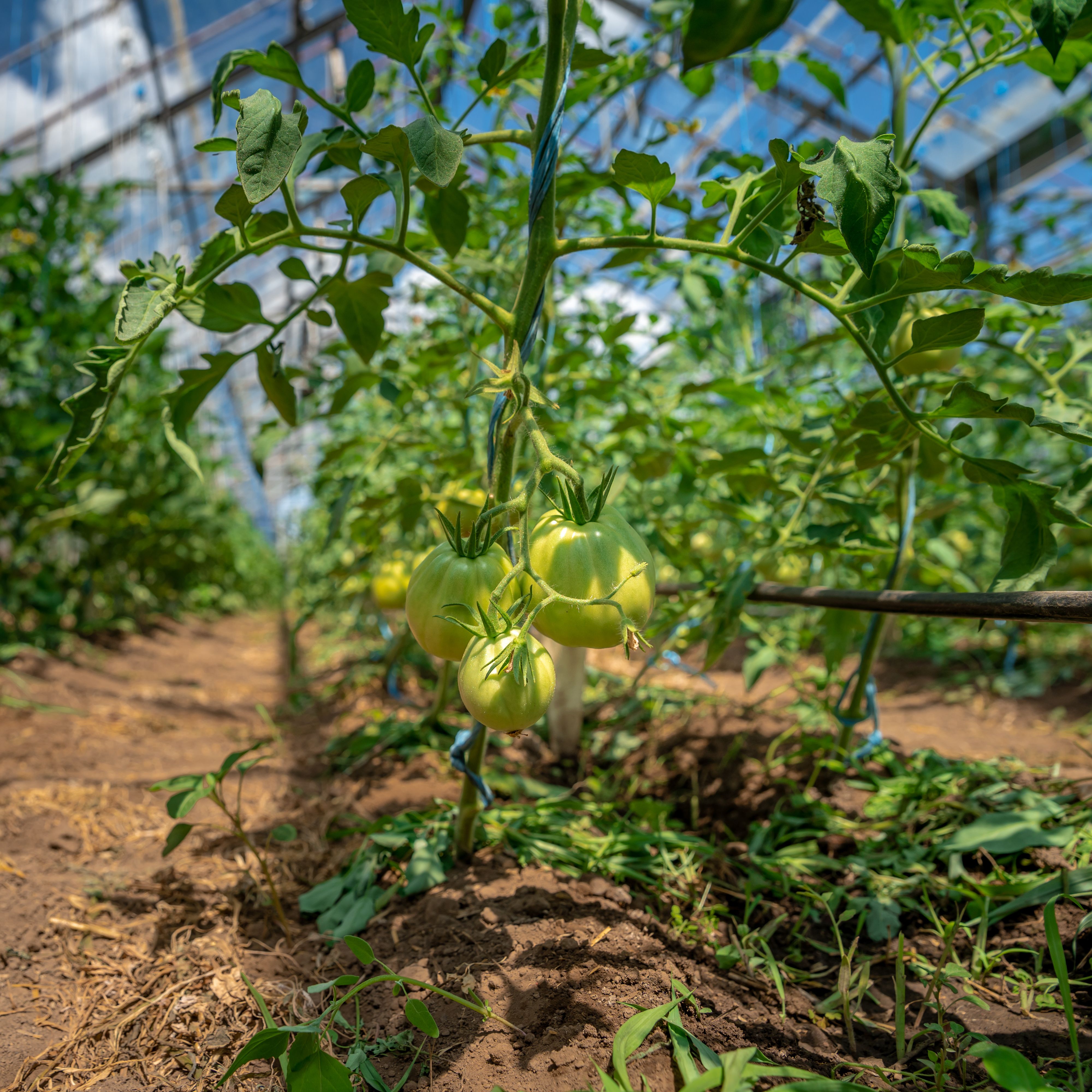
Tomato is a cornerstone crop in agriculture, but it's highly vulnerable to weeds, pests, diseases, and nutrient deficiencies. With Sairone, growers gain powerful tools to monitor, protect, and improve their corn fields using AI-driven insights from drone or satellite imagery.
Save Time and Labor
Avoid overuse of fertilizers, herbicides, and pesticides
Early detection of stress, pests, weeds, and nutrient deficiency
Map-based recommendations for spraying and fertilizing
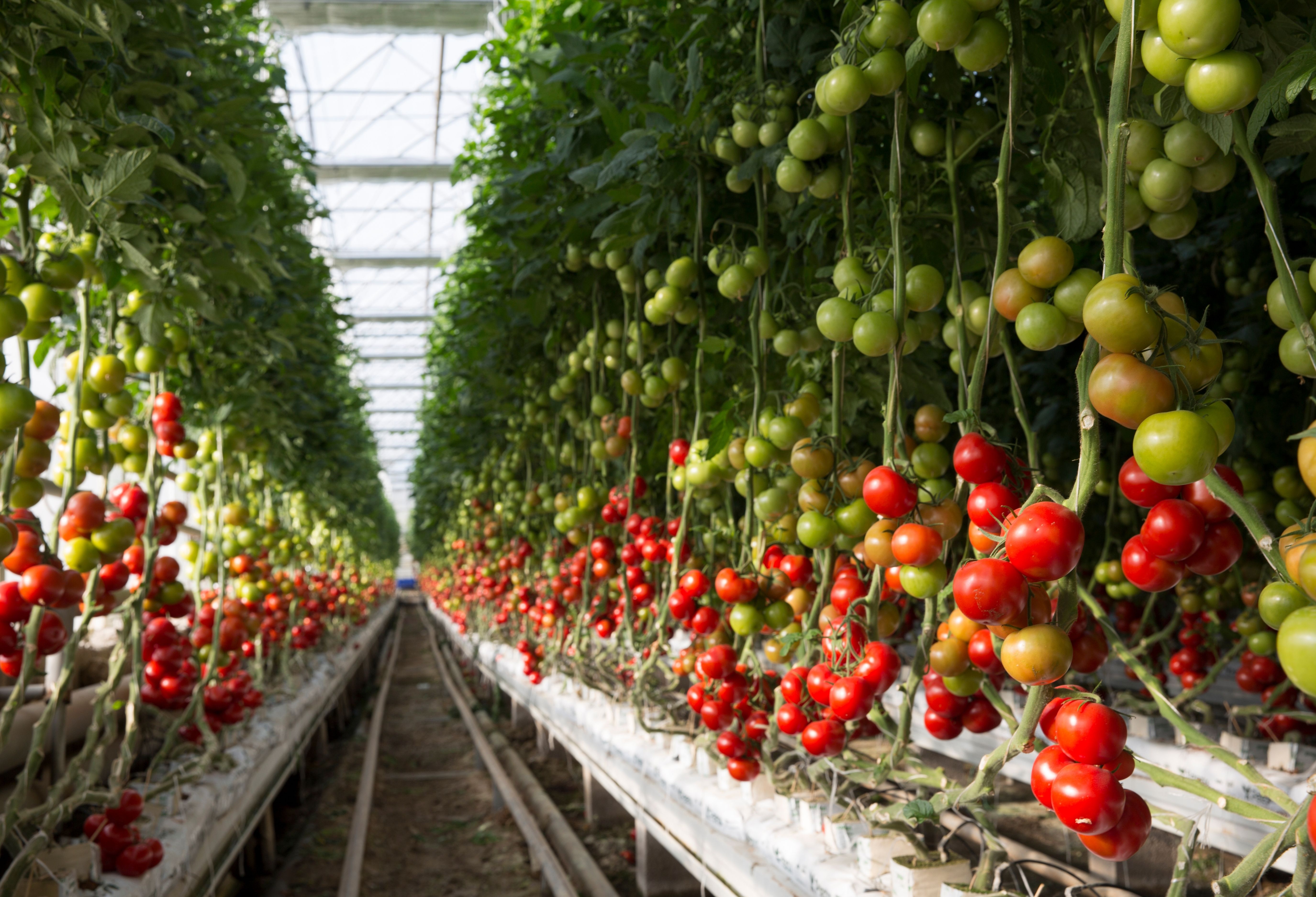
AI-Powered Tomato Weed Control and Pest Control for Smart Greenhouses
Tomato producers and greenhouse operators face a compounding set of risks: weeds that compete for resources and harbor pests, insects that spread rapidly in controlled environments, and stress signals that are often detected too late. Manual scouting and routine blanket treatments can reduce losses, but they also increase labor demand, input costs, and the chance of resistance or residue issues. This article explains how AI enables earlier detection, more targeted interventions, and measurable operational control for tomato weed control and tomato pest control. You will also see how Sairone applies machine vision and cloud analytics to turn imagery into decisions that teams can execute quickly and consistently.
The Importance of Tomato Weed and Pest Control
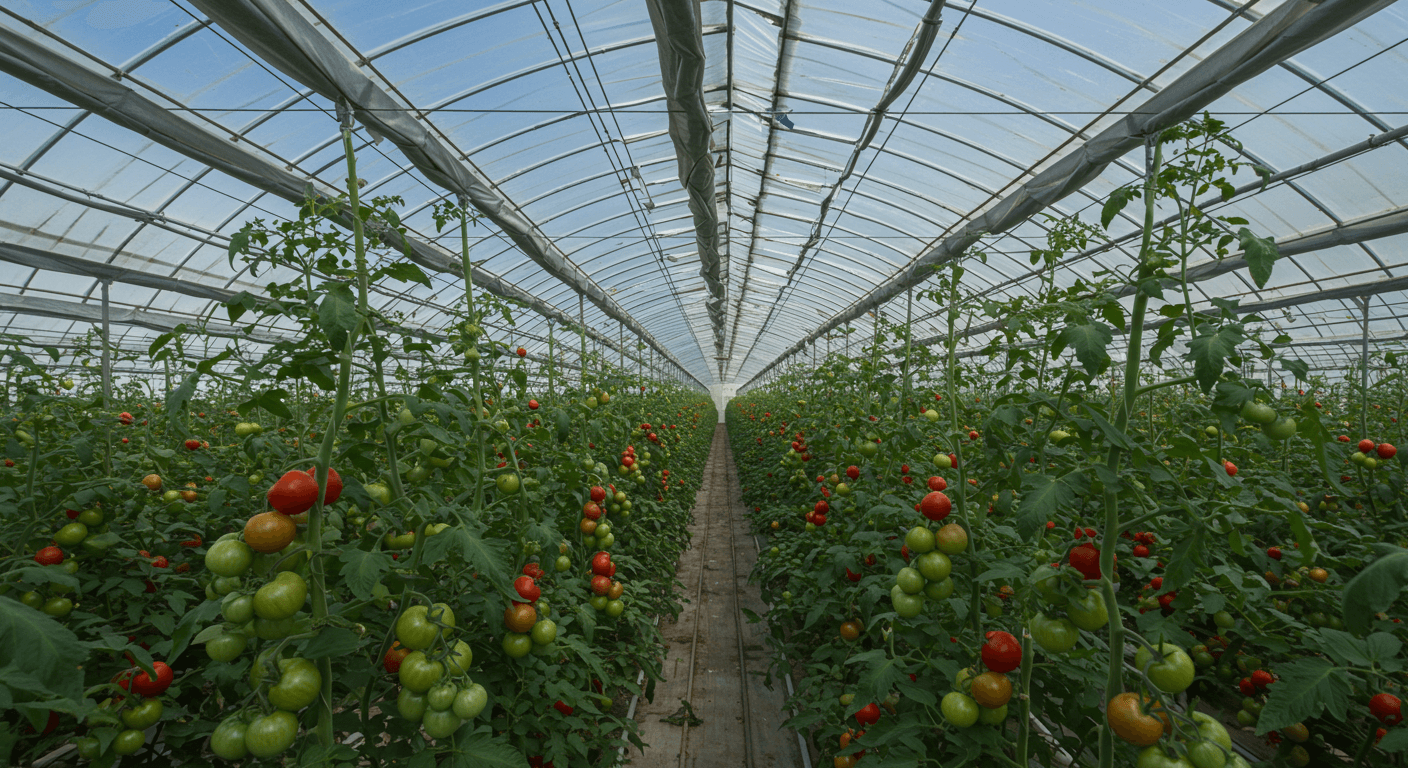
Weed and pest pressure in tomato systems is not just a “field problem.” In smart greenhouses, tight spacing, humidity management, and continuous cropping can amplify outbreaks, while small delays in response can become expensive. A robust program connects prevention, early detection, and targeted action, with auditable records that support food safety and sustainability requirements.
How tomato weed control protects yield and quality
Tomato weed control protects yield by reducing competition for water, nutrients, and light, but the greenhouse impact is often broader. Weeds can create microclimates that retain moisture, interfere with airflow, and increase disease-conducive conditions around the crop canopy.
Weed control for tomato plants also protects fruit quality and pack-out by reducing stress-driven variability in size, firmness, and ripening uniformity. In practical terms, fewer stress events mean fewer reactive corrections (extra fertigation adjustments, emergency sprays, or labor spikes).
Tomato pest control and its role in sustainable production
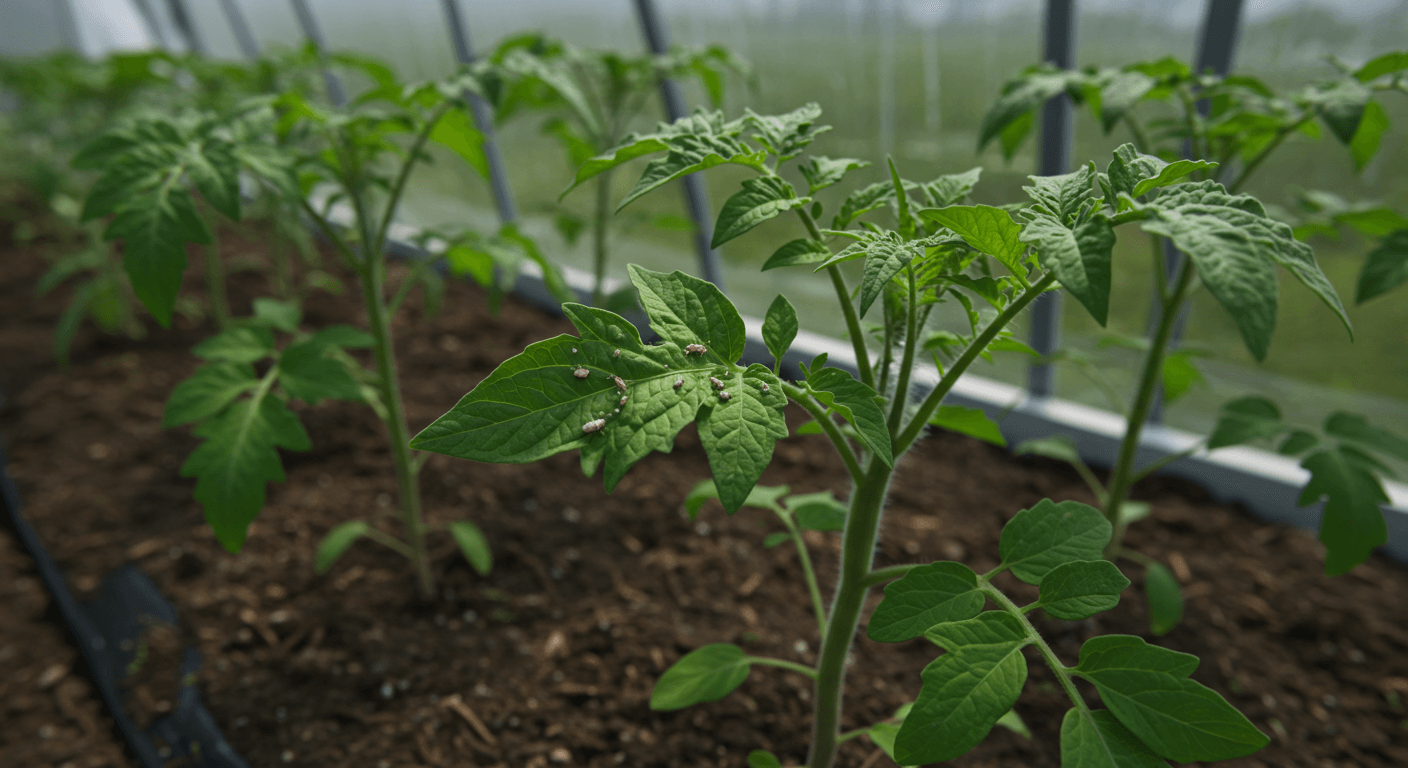
Tomato pest control is central to sustainable production because many greenhouse pests reproduce quickly and can develop resistance under repeated exposure to the same active ingredients. Sustainable control prioritizes early identification, thresholds, and selective interventions aligned with Integrated Pest Management (IPM).
From a business standpoint, strong tomato pest control reduces unplanned downgrades, avoids shipment risk related to pest presence, and supports consistent production planning. It also improves traceability by linking actions (biocontrol release, localized treatment) to time and location.
Tomato Stress Monitoring as Early Warning
Tomato stress monitoring functions like an early warning layer above your standard scouting and crop steering program. Instead of waiting for visible damage or yield loss, you look for measurable signals that correlate with weed competition, pest feeding, or environmental imbalance. In greenhouses, this shift from reactive to proactive typically delivers the fastest ROI because it reduces “late discoveries.”
Detecting tomato stress from weeds, pests, and environmental factors
Stress in tomatoes can present as subtle canopy changes, uneven vigor, or localized zones of reduced growth. AI-based monitoring can flag patterns that humans miss when time is limited or conditions change quickly across bays.
Common stress drivers that monitoring should separate and prioritize include:
Weed pressure zones near edges, pathways, or substrate transitions
Early pest hotspots (often clustered near vents, doors, and warmer pockets)
Environmental stress patterns tied to irrigation uniformity, EC drift, or heat stress
A practical way to structure detection is to treat stress as a triage problem: identify where the anomaly is, estimate severity, then connect it to likely causes so teams can confirm and act.
“In greenhouse tomatoes, the first detectable signal is often a pattern, not a symptom—AI helps teams see the pattern early enough to change the outcome.”
Tomato pest control herbs and biological solutions
Many growers search for tomato pest control herbs as part of a low-residue strategy, especially for small-scale or specialty production. In professional greenhouse operations, herb-based approaches are best treated as supportive tools, not primary controls, because efficacy and consistency can vary by formulation and application conditions.
Biological solutions that are commonly integrated into greenhouse tomato pest programs include:
Beneficial insects (predatory mites, parasitoid wasps) matched to target pests
Microbial products (where permitted) that support suppression under defined conditions
Habitat management: removing weeds and algae that provide shelter and alternate hosts
The operational requirement is precision: you need to know where the pest pressure is, whether it is growing, and whether controls are working—this is where monitoring and analytics become decisive.
Practical comparison table
Approach
Strengths
Limitations
Best use case
Manual scouting
High context, flexible
Time-intensive, inconsistent coverage
Verification, diagnosis, training
Routine calendar sprays
Simple planning
Overuse risk, resistance, cost
Short-term stabilization only
Short-term stabilization only
Earlier detection, targeted action, better records
Requires setup and workflows
Professional greenhouse scale-up
Sairone: AI Services for Tomato Protection
Sairone, a specialized division of Saiwa, delivers AI-powered machine vision for agriculture and smart greenhouses via cloud-based SaaS and PaaS. The goal is operational clarity: detect early signals, map where problems are developing, and give teams outputs they can act on quickly—without increasing fieldwork or relying on one person’s subjective assessment.
How Sairone supports Canadian growers, integrators, and agritech partners with tomato stress monitoring and AI analytics
Sairone supports tomato stress monitoring by processing RGB imagery and, where needed, multispectral or hyperspectral data to detect anomalies and patterns associated with weeds, pests, or environmental imbalance. For integrators and agritech partners, Sairone’s strength is that analytics can be embedded into broader greenhouse platforms and reporting workflows.
Professionals typically use Sairone outputs to:
Prioritize scouting routes and confirm hotspots faster
Track whether pest pressure is expanding or stabilizing
Document actions and outcomes for continuous improvement
If your team is evaluating an AI layer for tomato pest control and weed control for tomato plants, Sairone’s approach focuses on practical deployment: actionable maps, clear indicators, and integration pathways rather than “black box” outputs.
Delivering Tomato Weed and Pest Control Services in Canada
Canadian greenhouse operations often manage high production density and tight market schedules, which makes early detection and rapid response essential. Sairone’s cloud delivery model supports distributed teams and multi-site operations by standardizing monitoring and reporting across facilities.
Delivery elements commonly include:
Cloud-based dashboards for consistent visibility across bays and sites
Configurable alert thresholds aligned with your IPM strategy
Integration support for existing greenhouse management and data systems
This structure helps teams move from “we noticed it late” to “we caught it early and proved it improved.”
Case Studies
These cases illustrate realistic operational outcomes when AI is used to support targeted intervention, not replace agronomy.
Case study: AI-optimized tomato weed control reducing herbicide use
A multi-bay tomato facility struggled with recurring weeds along perimeter zones and service corridors. The team implemented AI-driven mapping to identify recurrence hotspots and schedule physical removal and sanitation actions only where needed. Over a season, the operation reduced non-target treatments and avoided broad interventions in clean zones, improving labor efficiency while maintaining consistent weed control for tomatoes.
The key change was not a new tool, but a new workflow: identify, map, assign, confirm, and trend—so the same weed patches did not reappear unnoticed.
Case study: Tomato pest control in Ontario greenhouses with early monitoring
An Ontario greenhouse faced periodic pest flare-ups near vents and entry points that were detected after population growth. With early hotspot monitoring and structured confirmation scouting, the team identified recurring “risk corridors” and adjusted their IPM releases and sanitation routines accordingly. The operation improved response time and reduced the frequency of emergency interventions, supporting a more stable tomato pest control organic strategy where biological controls remained effective longer.
Flexible Service Delivery
API Integration
Seamlessly connect Sairone’s advanced AI services to your existing systems through modular, easy-to-use APIs.
Fully White-Labeled Solutions
Get a tailor-made version of Sairone—branded, customized, and built specifically for your unique business needs.
Online Web Application
Use our powerful online platform with scalable cloud processing and budget-friendly