



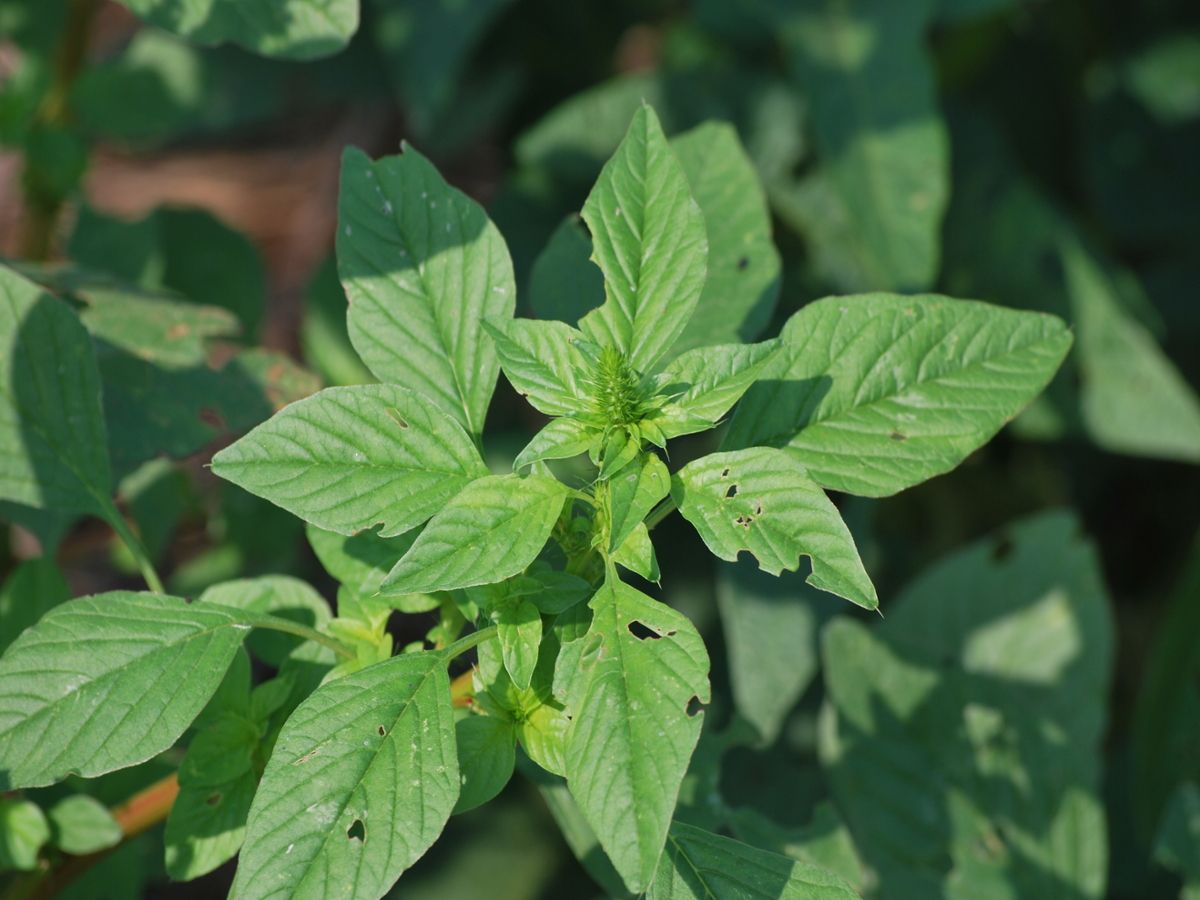
Amaranthus Palmeri
Controlling Amaranthus Palmeri in any Crops
No matter which variant, control them.
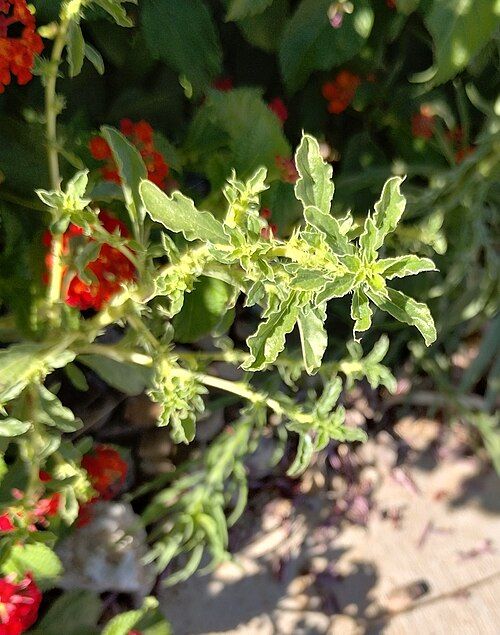
Amaranthus albus
Amaranthus albus is an annual herb growing up to 50 centimetres
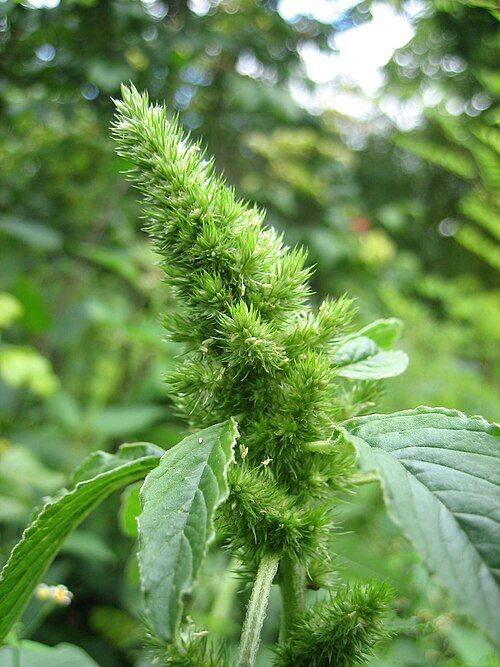
Amaranthus retroflexus
Amaranthus retroflexus, true to one of its common names, forms a tumbleweed
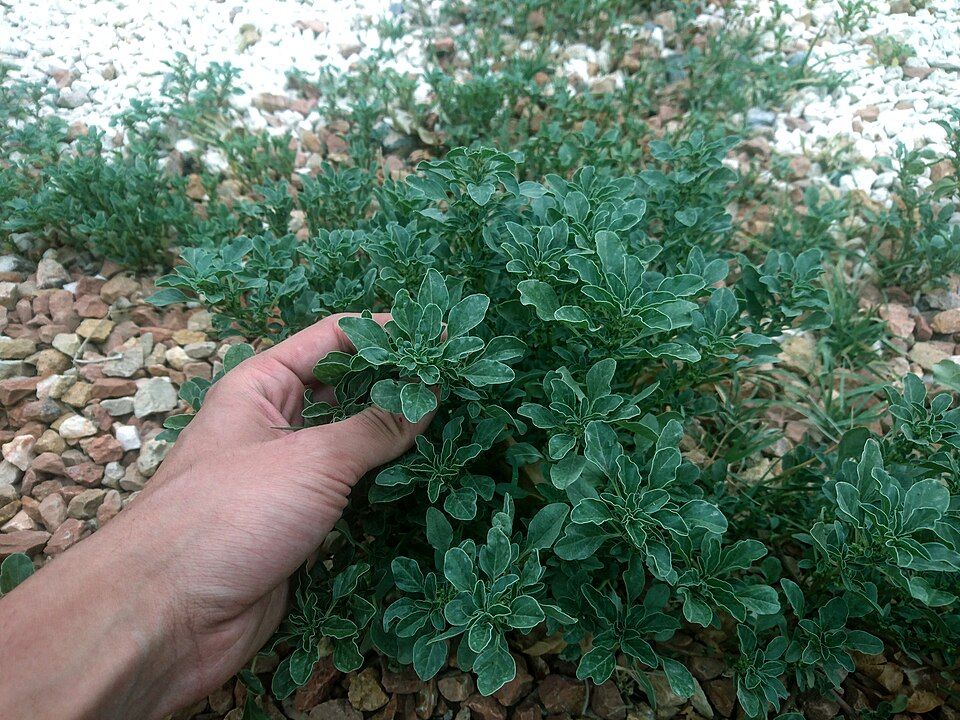
Amaranthus blitoides
Amaranthus blitoides is a glabrous annual plants species
Amaranthus palmeri
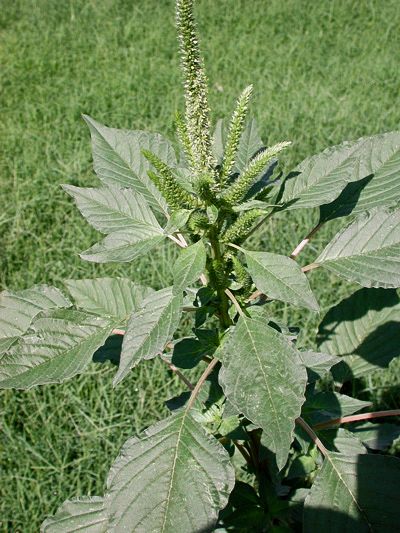
Amaranthus palmeri is a species of edible flowering plant in the amaranth genus
Amaranthus palmeri, commonly known as Palmer amaranth, is a highly aggressive and fast-growing annual weed native to the southwestern United States and northern Mexico. Over the past few decades, it has spread rapidly across the southern and midwestern U.S., and more recently into parts of Canada, South America, and southern Europe. It thrives in hot, dry conditions and is especially problematic in large-scale row crop systems with reduced tillage practices.
Palmer amaranth is identifiable by its tall, erect growth (up to 2–3 meters), smooth hairless stems, and long, lance-shaped leaves. A key distinguishing feature is a prominent petiole (leaf stalk) that is often longer than the leaf blade itself, and female plants produce dense, spiny seed heads. The species is dioecious, meaning male and female flowers occur on separate plants. It belongs to a diverse genus, with close relatives like Amaranthus retroflexus (redroot pigweed) and Amaranthus tuberculatus (waterhemp), which differ in leaf shape, stem texture, and flowering habits.
Palmer amaranth is most damaging to crops like soybean, corn, cotton, and peanuts, where it competes fiercely for light, water, and nutrients. It grows extremely quickly—up to 5 cm per day—and produces hundreds of thousands of seeds per plant. Many populations have developed resistance to multiple herbicide classes, including glyphosate and ALS inhibitors, making it one of the most challenging weeds to manage. Integrated weed control strategies, including cover crops, crop rotation, and pre-emergence herbicides, are essential for limiting its spread.
Example of processing and outputs
A variety of outputs are available
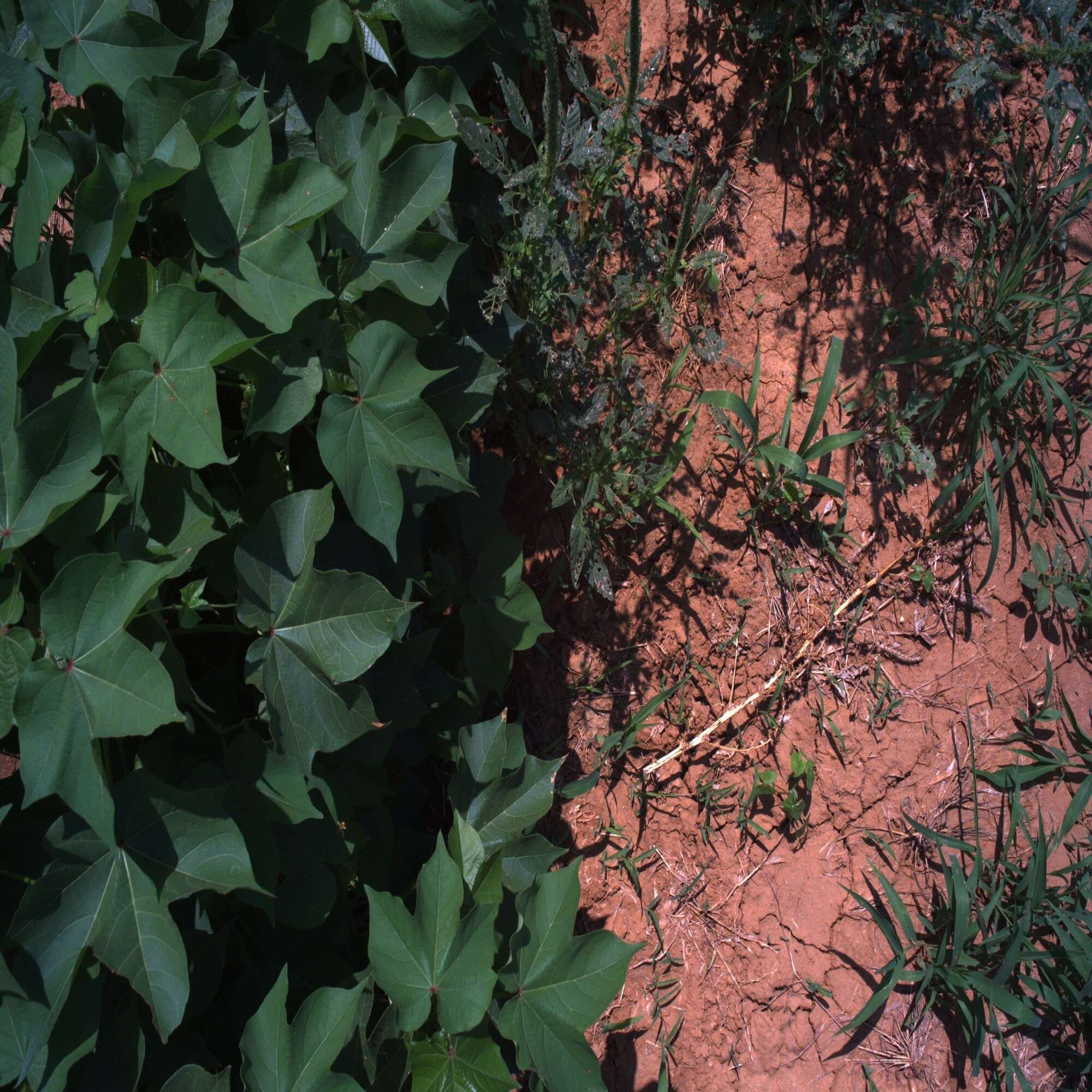
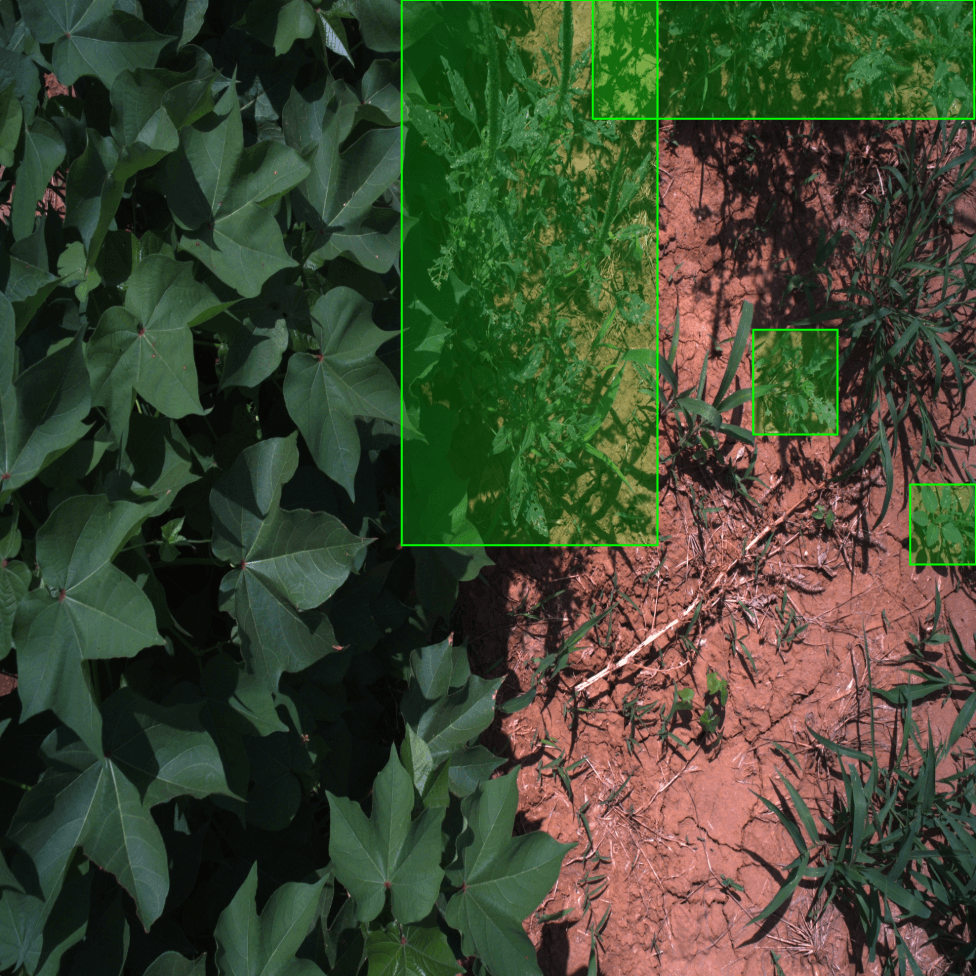
We employ a cutting-edge, real-time object detection model to identify Amaranthus Palmeri and other invasive species efficiently. This model is designed to balance high-speed inference with accuracy, making it ideal for real-time applications.
Ready to elevate your Images/Videos?
How it works?
Easy to use online cloud-based web service

Upload Images/videos
Aerial videos/images in various formats Orthophoto/TIFF images RGB, multispectral, thermal Surveillance (CCTV) cameras Agricultural machinery camera
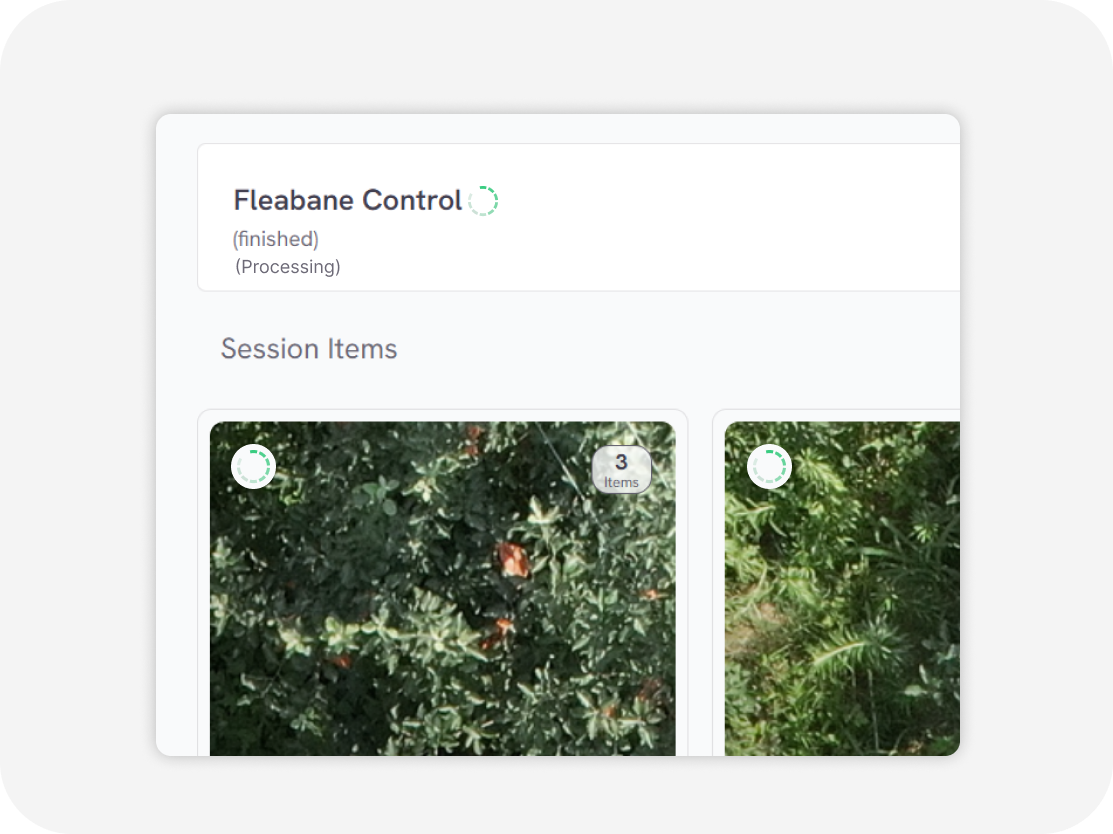
Processing
in second
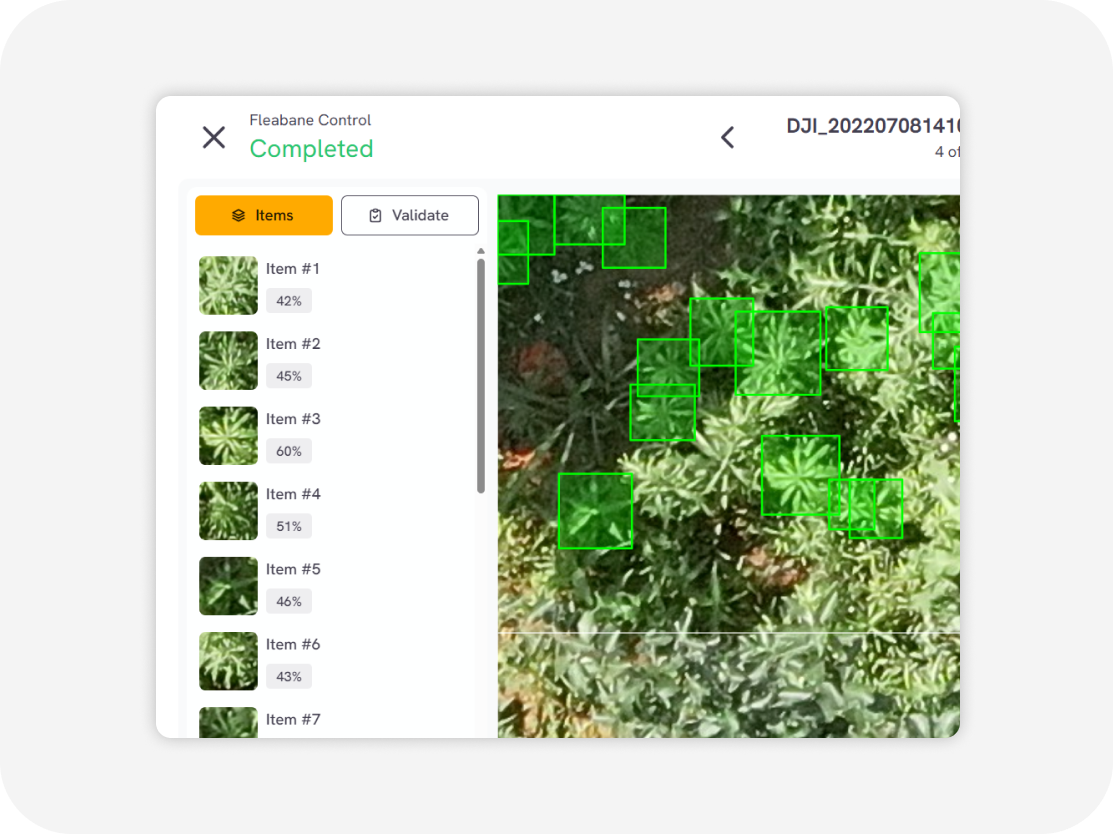
Download output
Weed distribution map with GIS data Weed clustering map with GIS data (GeoJSON, Shapefile, KML, CSV)
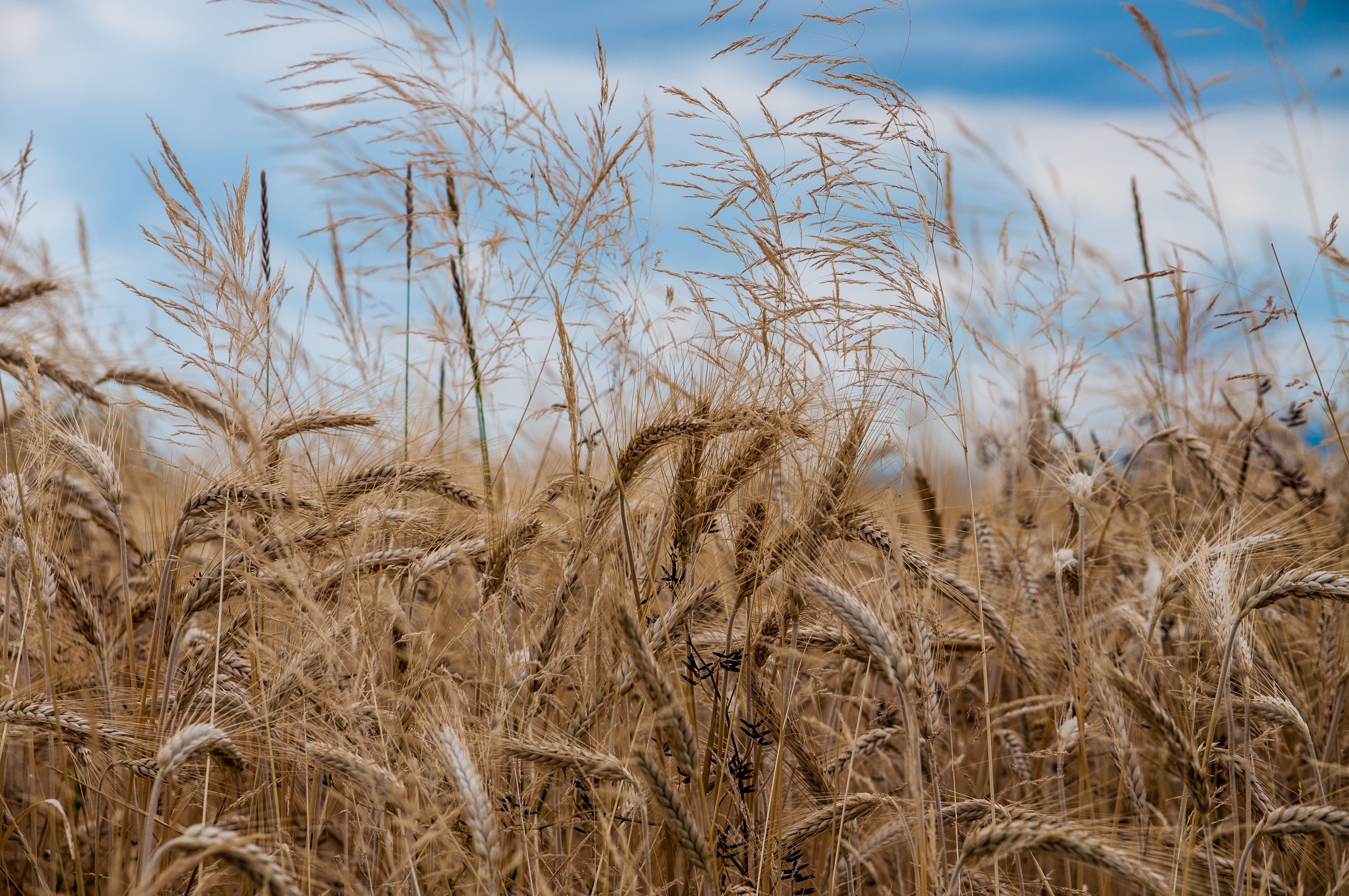
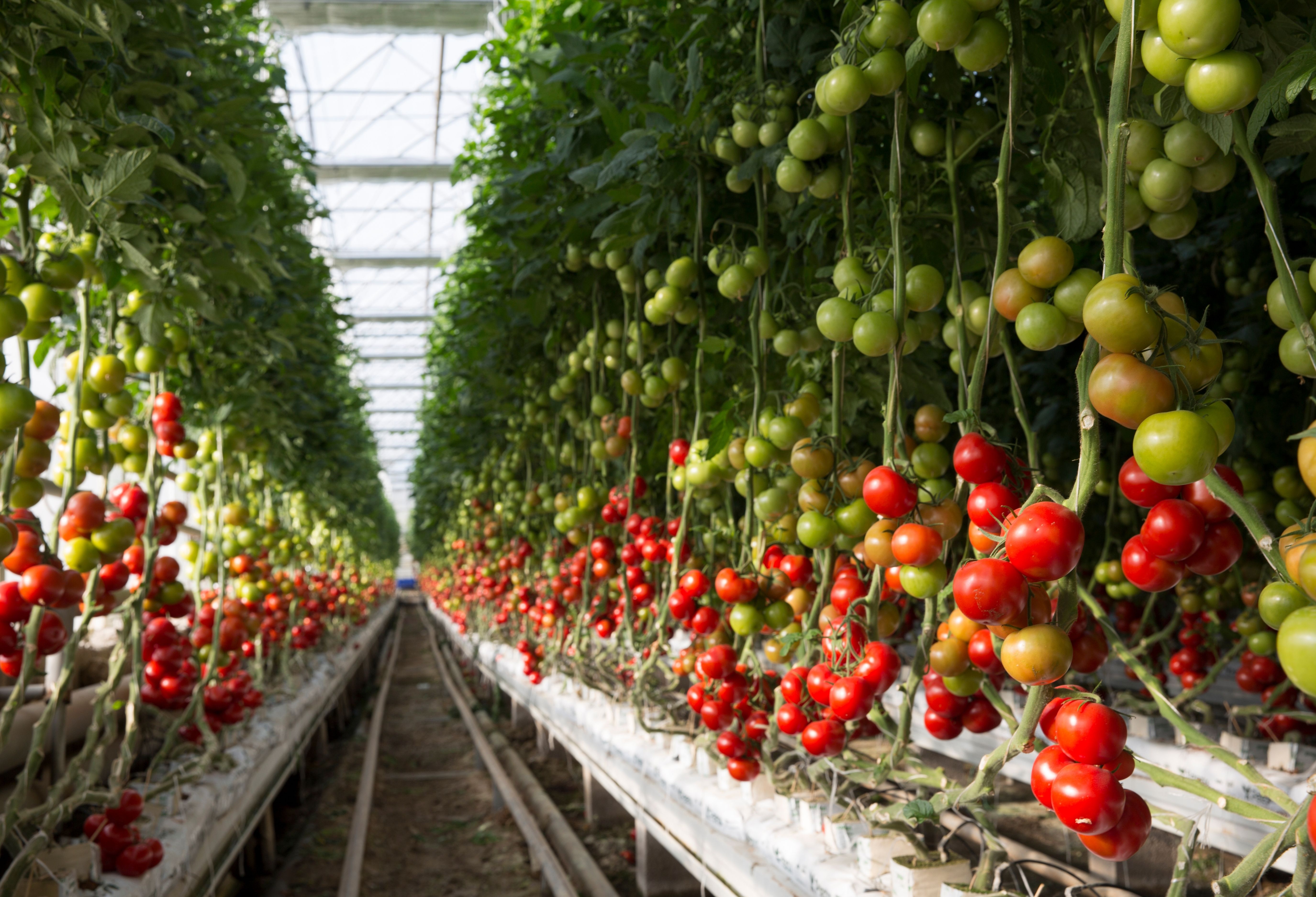
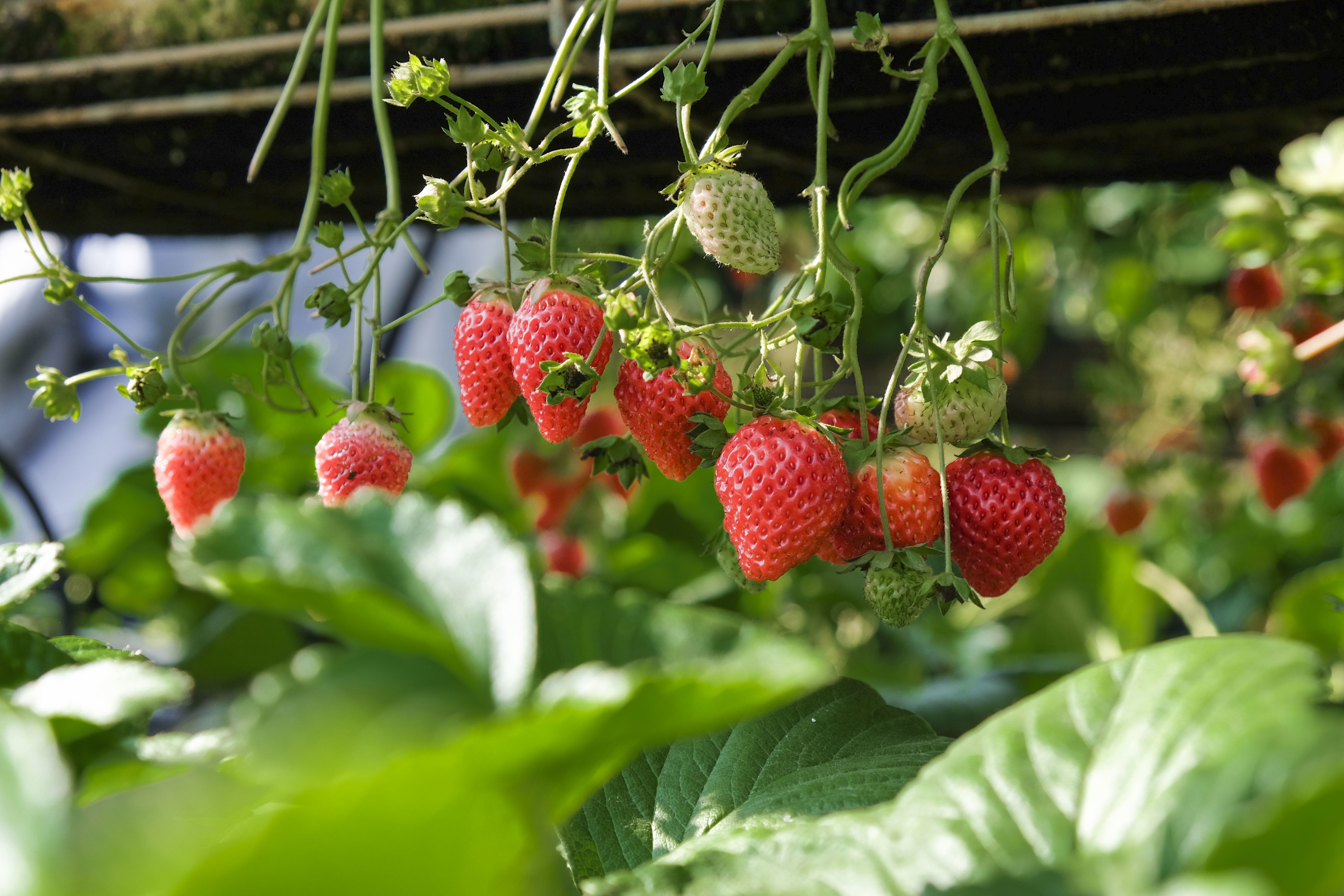
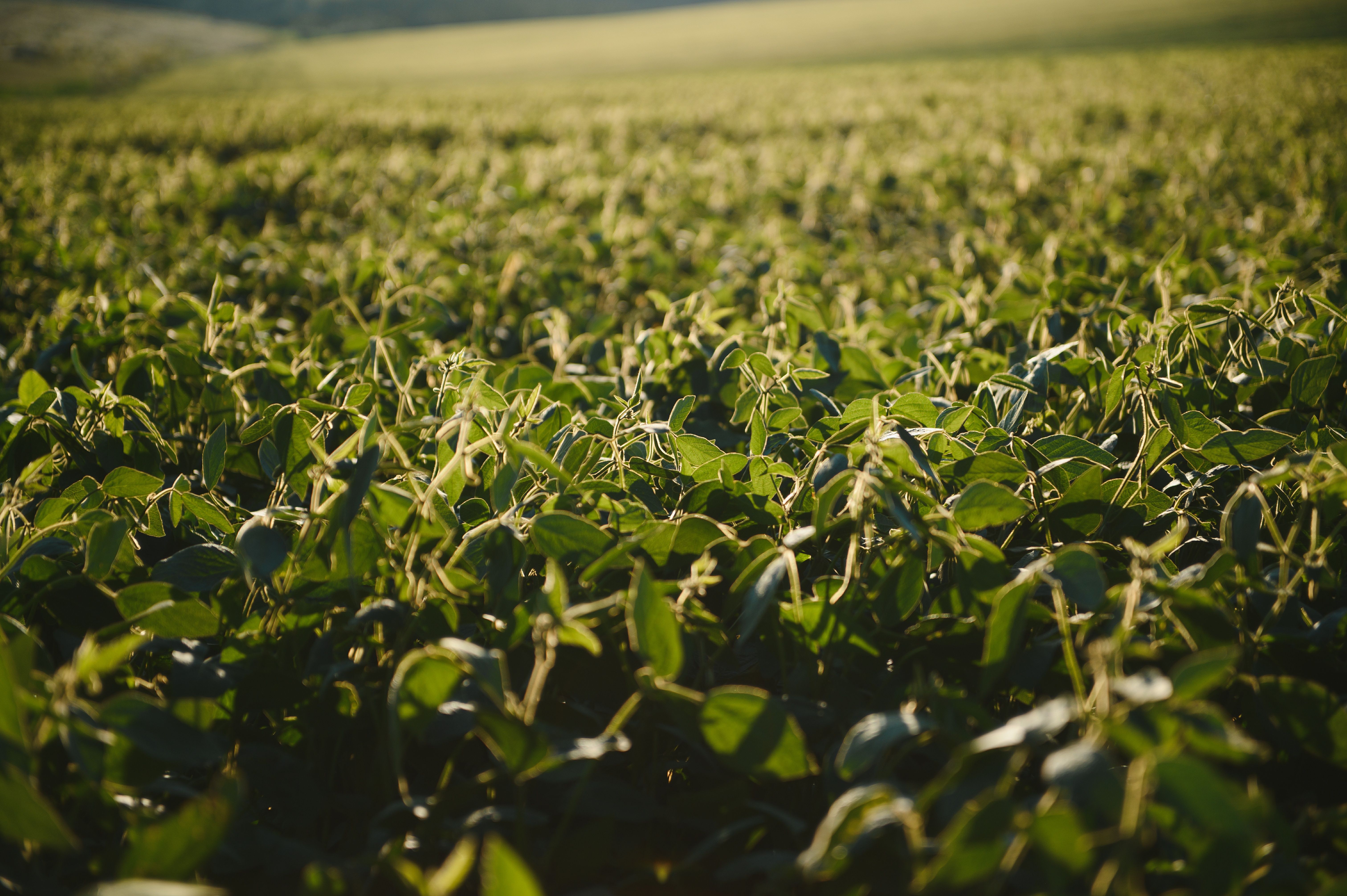
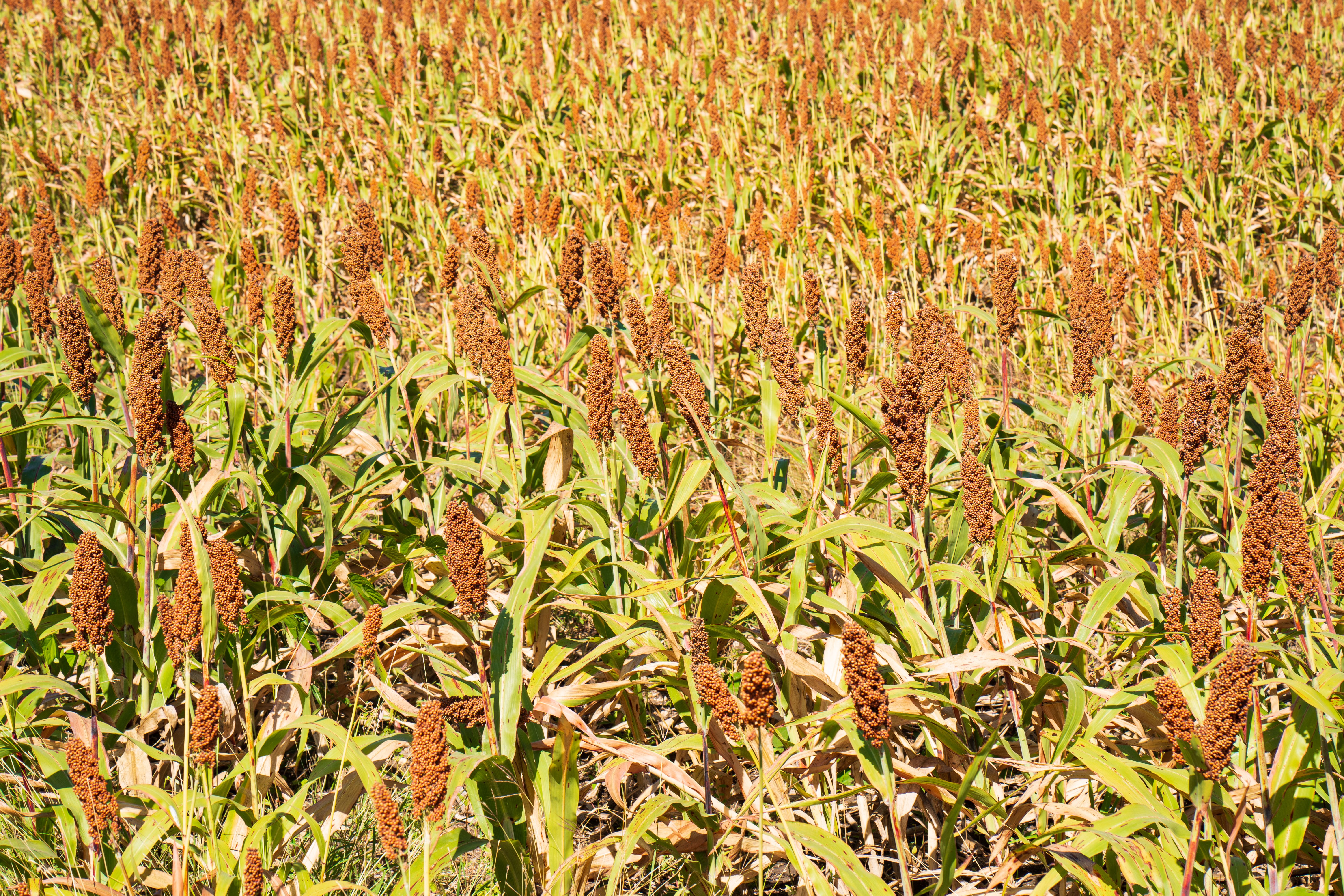
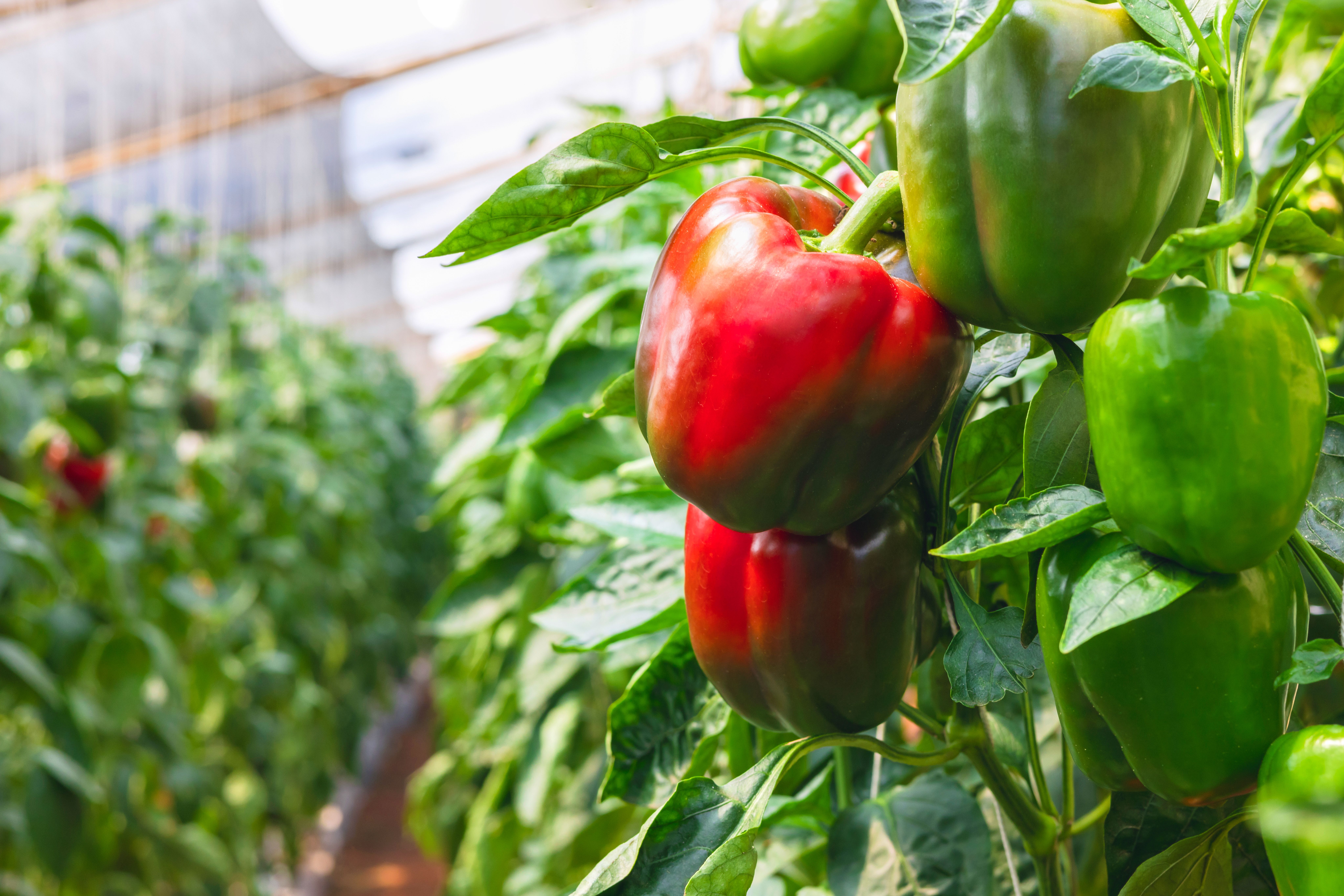
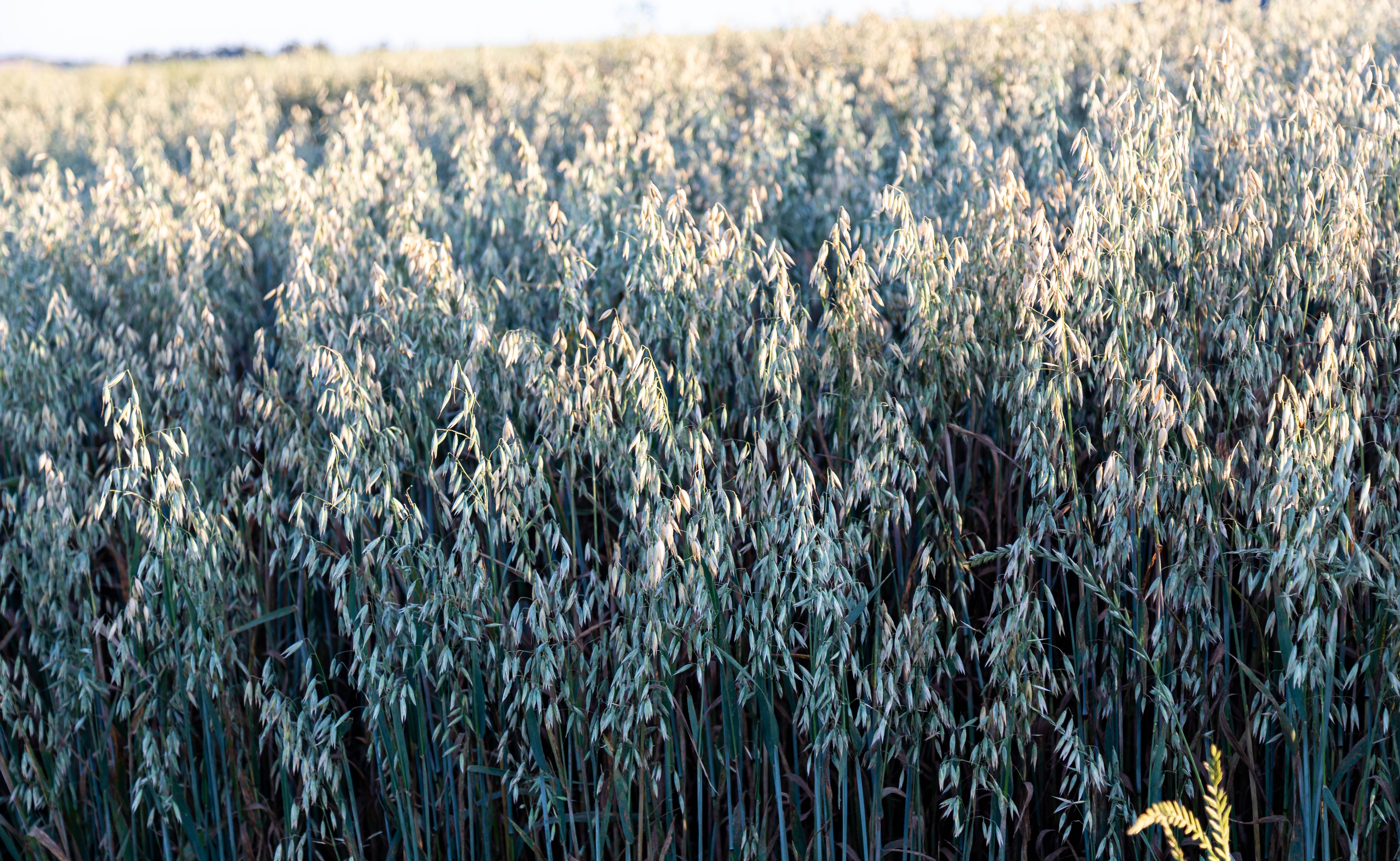
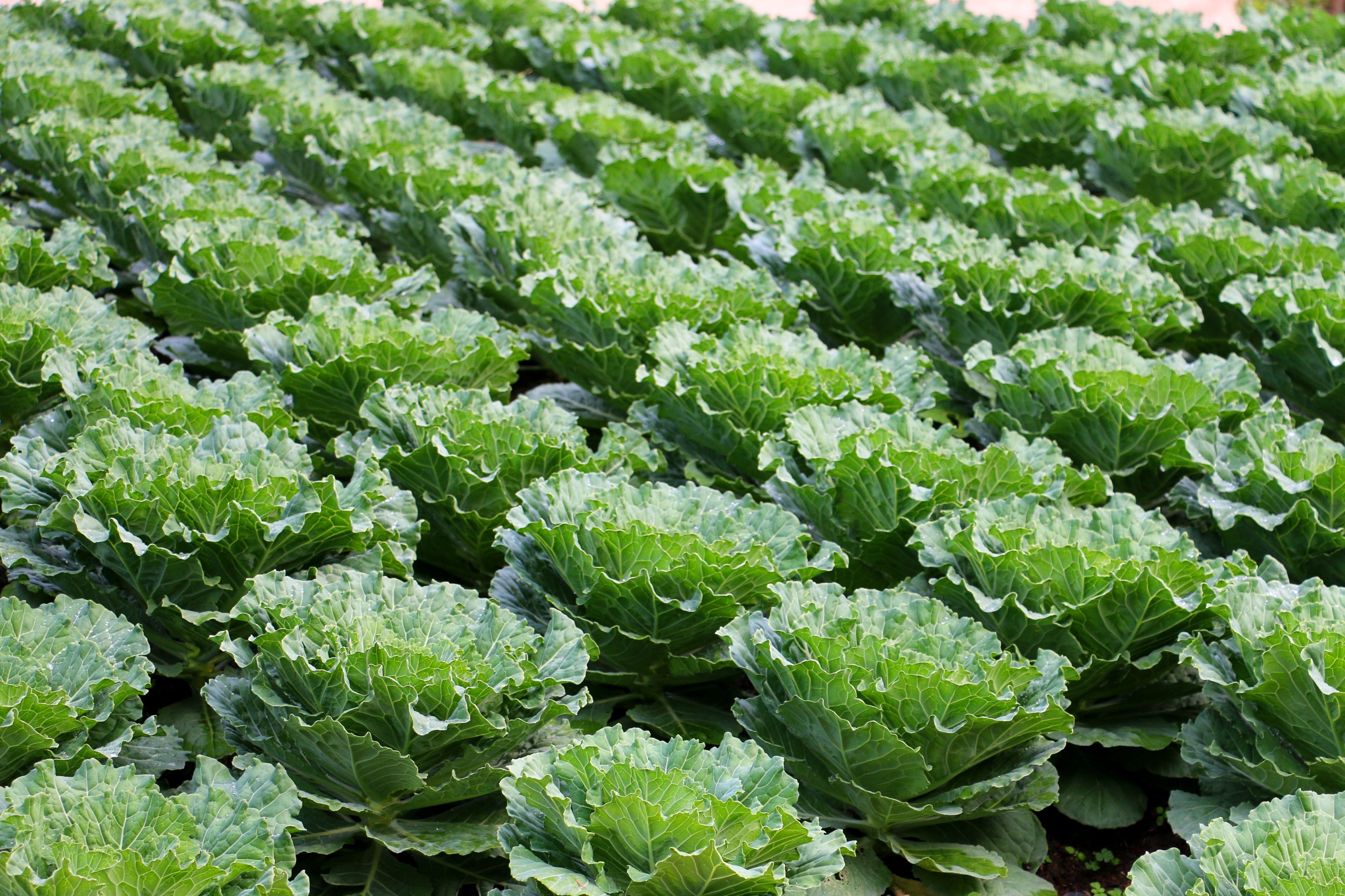
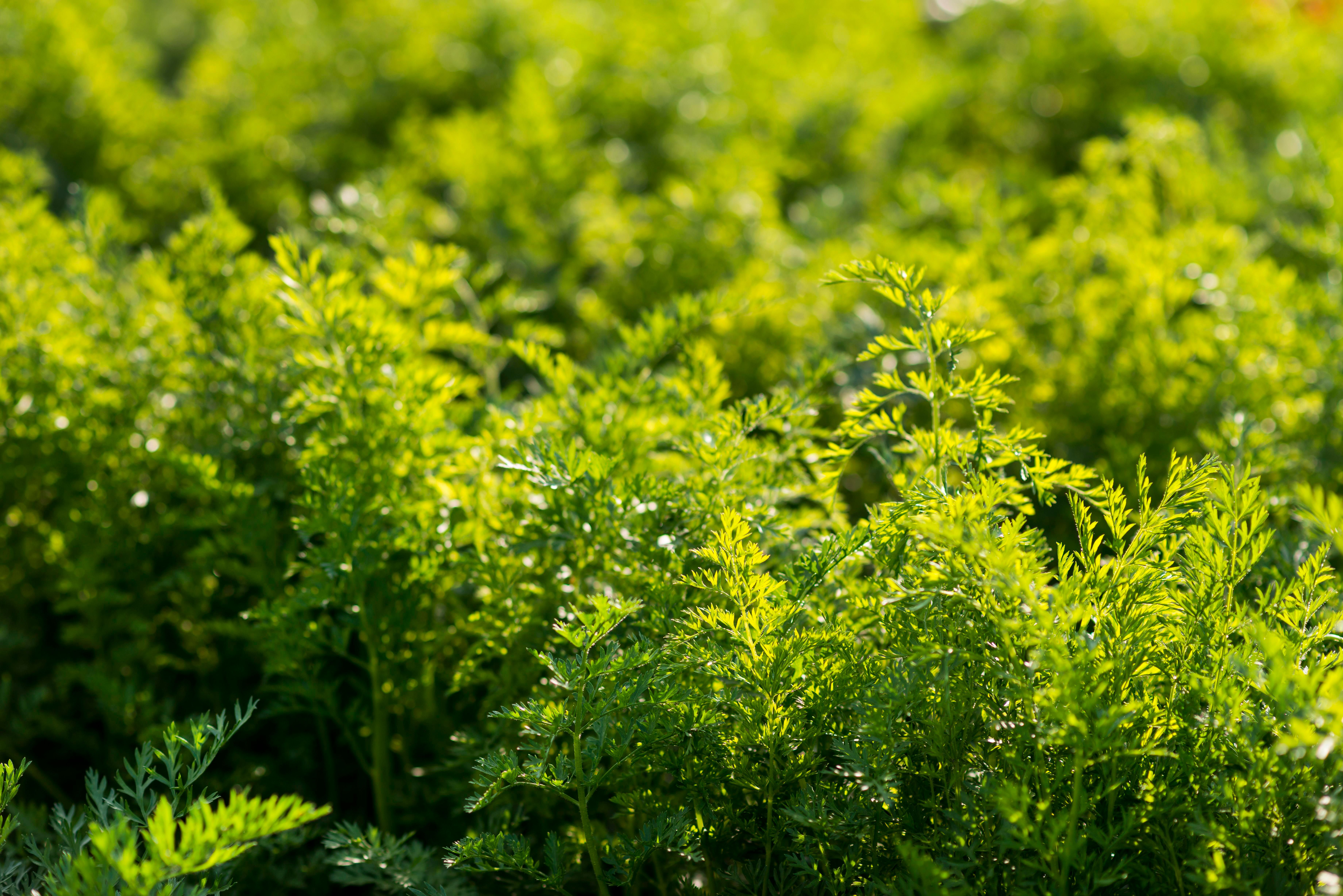
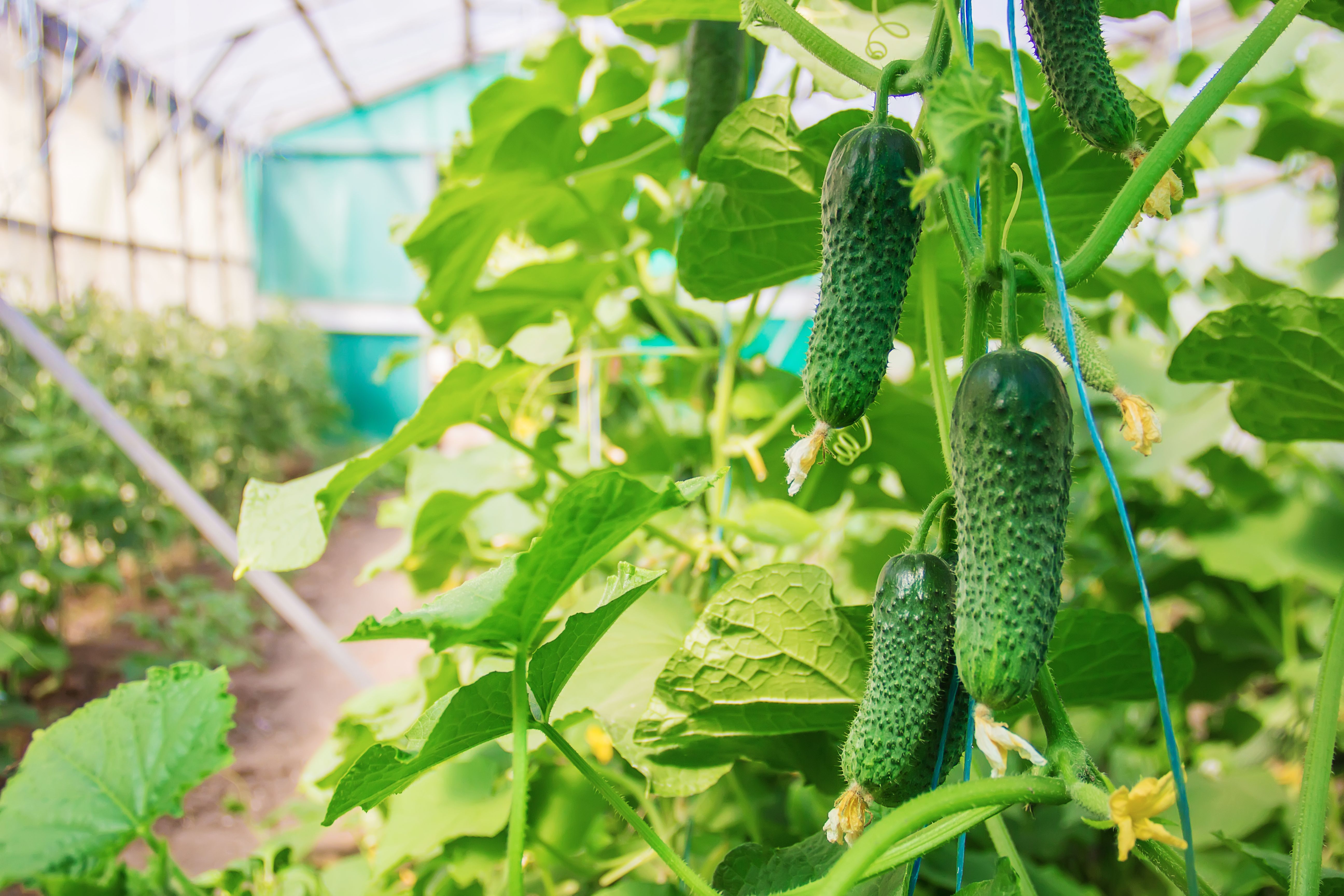
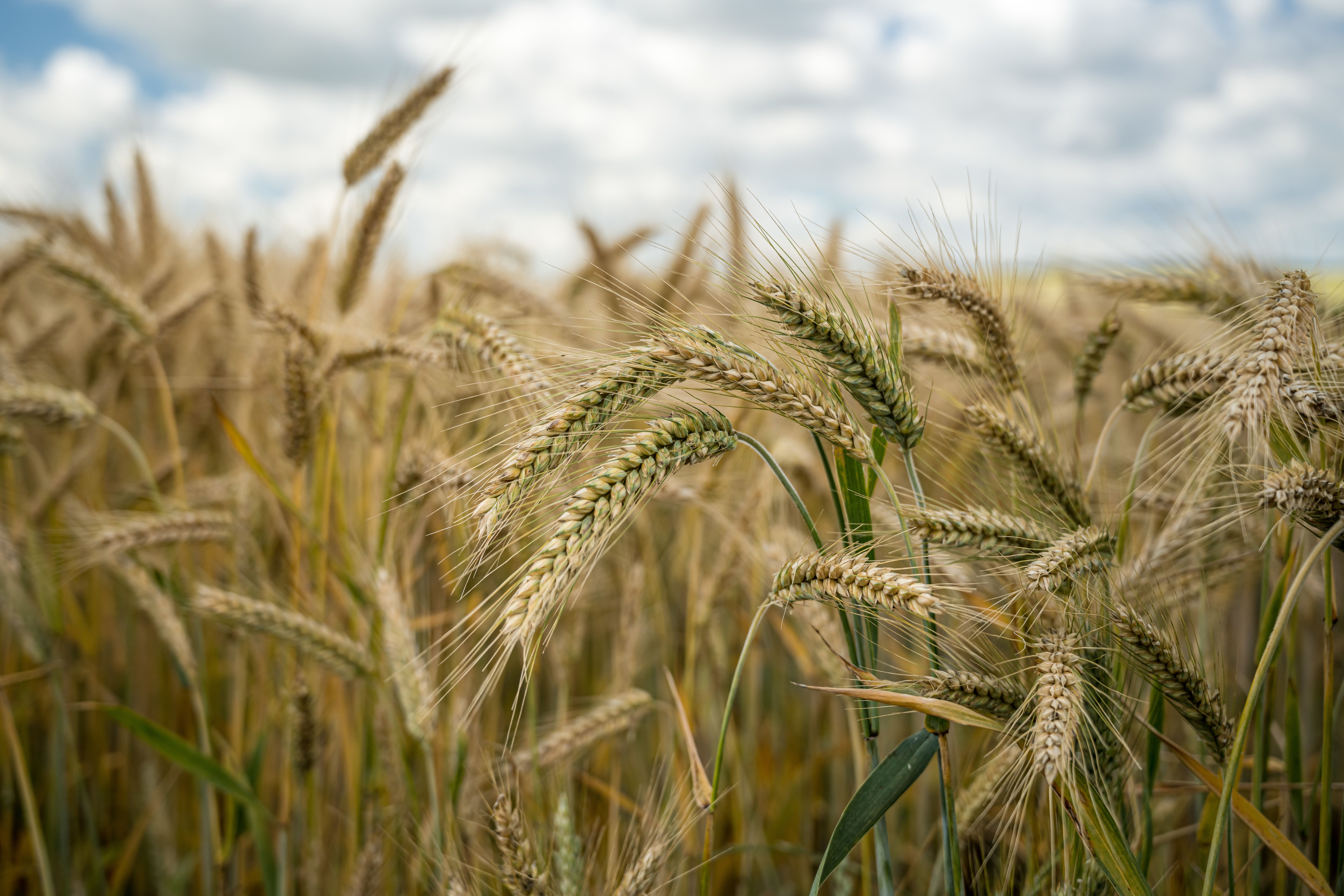
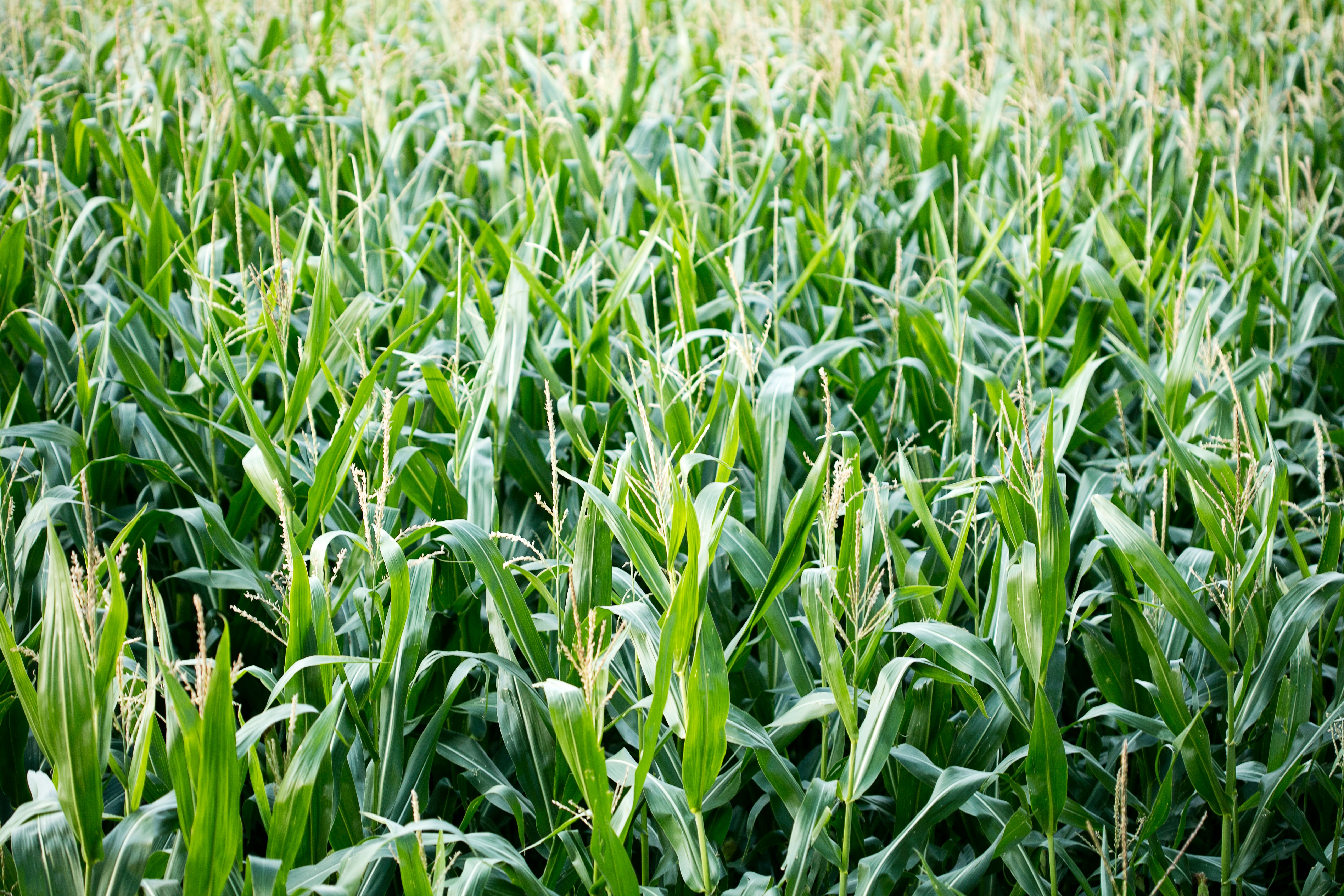
Amaranthus Palmeri control in various crops
Flexible Service Delivery
API Integration
Seamlessly connect Sairone’s advanced AI services to your existing systems through modular, easy-to-use APIs.
Fully White-Labeled Solutions
Get a tailor-made version of Sairone—branded, customized, and built specifically for your unique business needs.
Online Web Application
Use our powerful online platform with scalable cloud processing and budget-friendly
Try it for free now
Contact us if you have any questions