



Wildlife Control in Ottawa: Understanding and Managing Urban Wildlife
Wildlife Control in Ottawa can be done through Humane ways , including monitoring , drones and innovative ways, learn more by reading this article.
Written by Maryam
Reviewed by Boshra
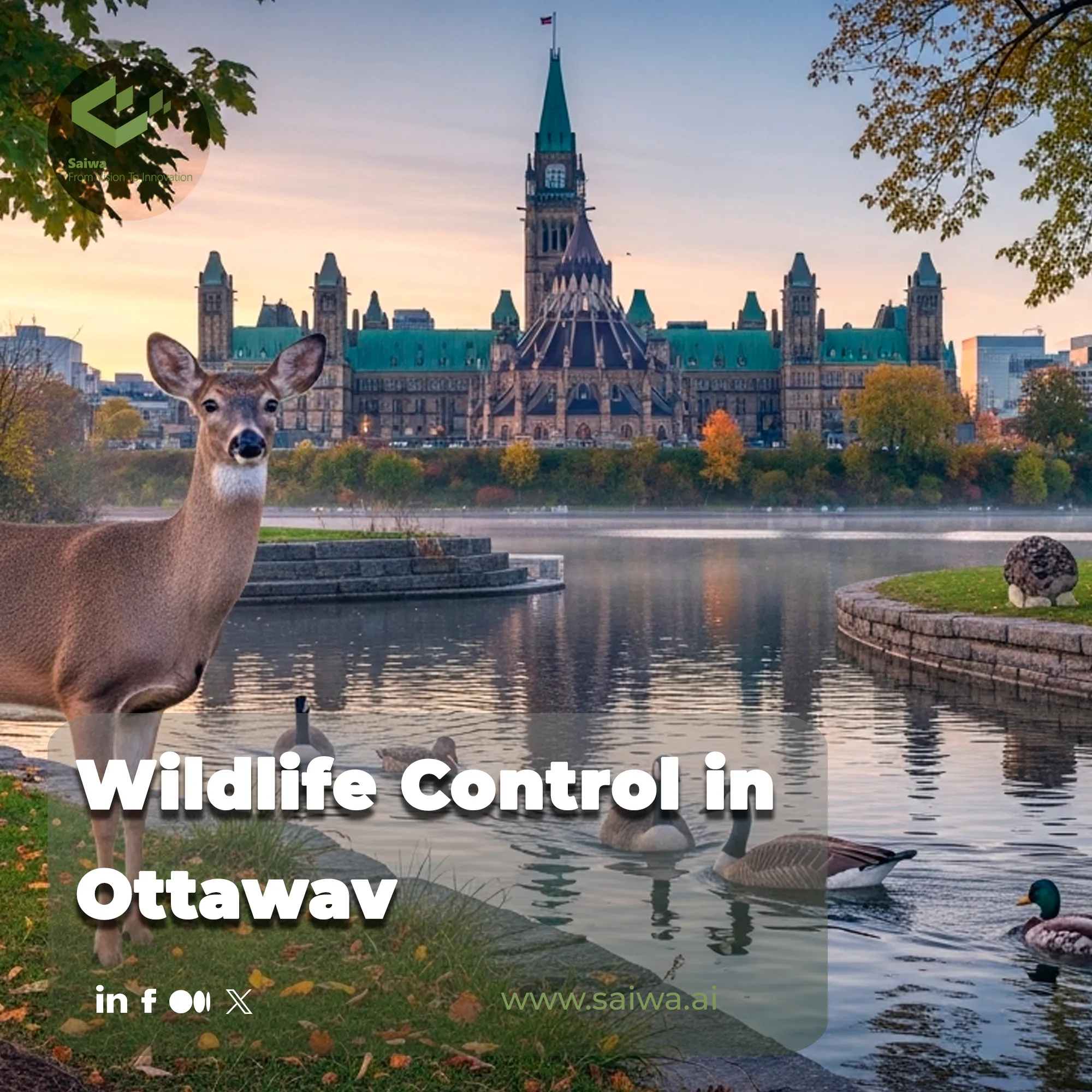
Ottawa’s Urban Wildlife: An Overview
Ottawa’s landscape, where urban centers meet rich natural ecosystems like the 20,000-hectare National Capital Greenbelt, fosters a unique coexistence between humans and wildlife. This proximity can lead to conflicts, making it vital to understand the animals we share our space with. Here are key aspects of our city’s fauna.
Common Species in the City: The region is home to lots of wild mammal species and hosts between 177 to 183 breeding bird species. Residents commonly see squirrels, raccoons, and skunks, along with larger mammals like white-tailed deer.
Natural Habitats vs. Urban Areas: Urban expansion fragments natural habitats. While this harms many species, synanthropic animals, those comfortable with humans, thrive on available food sources. Even at-risk species like the peregrine falcon have adapted to nesting on downtown buildings.
Seasonal Activity Patterns: Wildlife activity follows a seasonal rhythm. Some migratory species like snowy owls arrive for the winter, while many native animals are most active at dawn and dusk, demanding increased caution from residents.

Factors Influencing Wildlife Behavior in Ottawa
Understanding the drivers behind animal behavior is essential for effective Wildlife control Ottawa. Several key factors contribute to how these animals navigate our shared environment. Let’s explore what influences their actions in the city.
Urbanization and Habitat Loss: Continued urban growth causes significant habitat fragmentation, which destroys natural ecosystems and compromises vital migratory paths. This process displaces wildlife, forcing them to seek resources in residential areas and diminishing their natural fear of humans.
Climate and Migration Patterns: Weather directly influences seasonal behaviors from hibernation to migration. Ottawa’s river systems serve as natural corridors, making the city a crucial flyway for birds during their migration.
Human Interaction: Our daily habits significantly impact wildlife. Accessible garbage cans or intentionally feeding animals creates dependency and recurring nuisance situations. Additionally, domestic pets can disrupt local ecosystems by preying on native fauna.
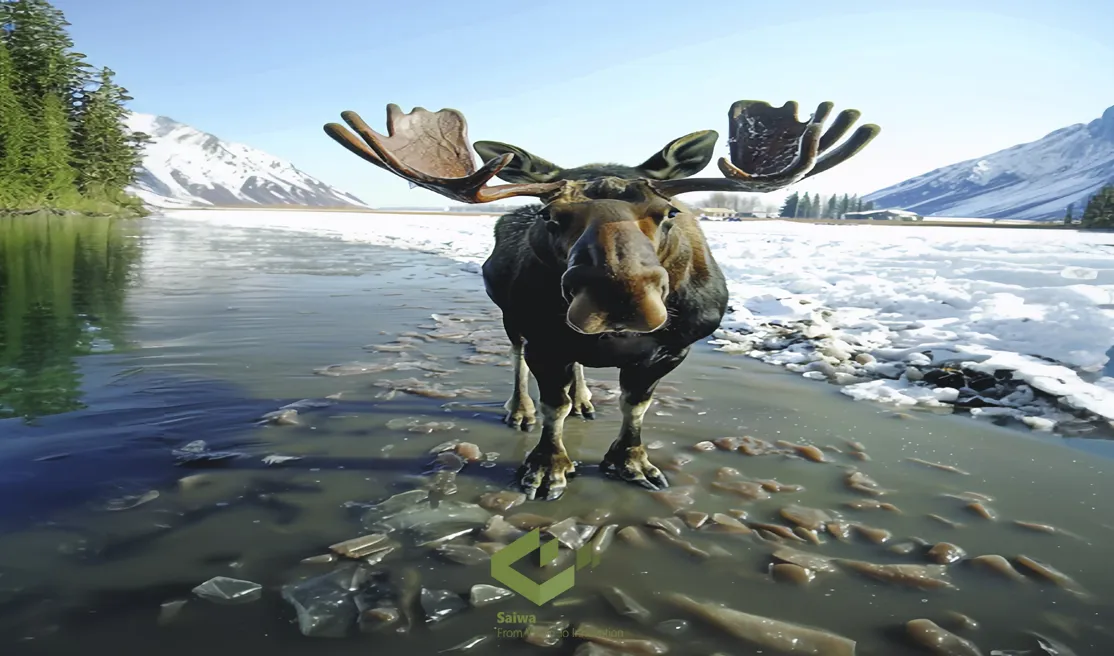
Preventing Wildlife Conflicts Before Removal Becomes Necessary
In Ottawa, the most effective wildlife control often starts long before an animal enters an attic, shed, or crawl space. Provincial guidance emphasizes prevention first: do not feed wildlife, keep a safe distance, and remove access to food, water, and shelter that encourage animals to stay near homes and businesses.
Why prevention works in urban Ottawa
Urban wildlife usually does not need much encouragement. A loose compost lid, pet food left outside, dense brush under a deck, or an unsealed roof vent can turn a property into a reliable feeding or nesting site.
This is especially relevant in Ottawa, where residential areas sit close to rivers, green corridors, and the National Capital Greenbelt, creating frequent overlap between wildlife movement routes and human activity.
For property owners, the goal is not to eliminate wildlife from the city. The goal is to make individual properties less attractive to animals that are looking for easy food or shelter.
High-impact steps for homes and facilities
Ontario and animal-welfare guidance point to a short list of preventive actions that consistently reduce conflict risk.
Secure garbage and compost in heavy containers with tight or lockable lids.
Put waste out the morning of pickup rather than leaving it outside overnight.
Do not leave pet food outdoors, and clean barbecue grills after use.
Trim tree branches that overhang the roof and inspect shingles, vents, and chimneys for entry points.
Seal gaps only after confirming that no animals are trapped inside.
Reduce shelter opportunities by clearing brush piles, clutter, and openings under decks or outbuildings.
These measures are simple, but they work because they target the exact resources urban wildlife seeks in developed areas: calories, cover, and quiet nesting space.
Practical risk points
Property issue | Why it attracts wildlife | Recommended action |
Open garbage or compost | Provides predictable food sources for raccoons, skunks, and rodents. | Use secure containers and limit overnight access. |
Roofline gaps and vents | Offer warm, protected denning or roosting sites. | Inspect and seal access points with durable materials after confirming vacancy. |
Pet food and dirty grills | Reinforce repeat visits by opportunistic animals. | Feed pets indoors and clean cooking areas promptly. |
Dense ground cover or clutter | Creates hiding and nesting space near structures. | Remove debris and maintain clear perimeter zones. |
The local policy context
Ottawa’s own guidance tells residents not to feed animals that are likely to become a problem in yards, parks, or greenspaces.
Ontario’s wildlife-conflict guidance echoes the same principle and adds that people should avoid unintentionally providing food, water, or shelter.
That alignment matters because it shows a consistent public-policy direction: long-term wildlife control in Ottawa depends more on prevention and coexistence than on repeated removal alone.
Professional Wildlife Control Services in Ottawa
When wildlife becomes a problem, professional services offer humane and effective solutions. These experts practice Integrated Wildlife Management, moving beyond simple removal to focus on long-term prevention.
They understand that compassionate methods, compliant with provincial and federal laws, are key for sustainable results. Professional Wildlife control Ottawa teams offer a multi-step approach benefiting both property owners and the animals.
Comprehensive Property Assessment: Certified technicians conduct thorough inspections to identify entry points, nesting sites, and potential attractants.
Humane Removal and Exclusion: Animals are removed safely using techniques like one-way doors, and all entryways are sealed with durable, chew-proof materials to prevent re-entry.
Preventative Strategies: Experts provide crucial, customized advice on securing waste and modifying habitats to discourage future wildlife conflicts.
How Sairone Supports Humane and Effective Wildlife Control in Ottawa
Ottawa is located where dense neighborhoods meet the 20,000-hectare Greenbelt. As a result, residents encounter everything from squirrels and raccoons to white-tailed deer and seasonal visitors like snowy owls. Sairone helps the city manage this coexistence without disturbance. Using AI on imagery from drones, phones, or CCTV cameras, Sairone turns raw visuals into fast, reliable insights. Tasks that would take 50 hours of manual review are processed in about five minutes with very high accuracy.
The platform detects and counts animals, maps hotspots along urban-natural edges and travel corridors, and applies anomaly detection to flag unusual patterns tied to food attractants or dawn/dusk activity. The outputs arrive as ArcGIS-ready layers and concise reports, enabling teams to prioritize inspections, prevent conflicts, and document outcomes. With pay-as-you-go pricing and an expanding species library, Sairone promotes humane, data-driven wildlife management throughout Ottawa's districts and the Greenbelt.
Note: Some visuals on this blog post were generated using AI tools.
About the team
Continue reading
Wildlife Control in Hamilton: Managing Urban Animals Safely and Effectively
Hamilton's blend of urban development and natural escarpment landscapes creates ongoing challenges for homeowners. Managing animal encounter
Wildlife Control in Ontario: Managing Urban Wildlife Safely and Effectively
Ontario's urban areas are experiencing significant increases in wildlife encounters, as cities expand into natural habitats. Existing wildli
Machine Learning for Wildlife Conservation - Unlocking New Possibilities
Wildlife conservation faces serious challenges, from habitat destruction and climate change to poaching and human-wildlife conflict. These t
Drones for Wildlife Monitoring - From Thermal Imaging to AI-Powered Insights
The integration of unmanned aerial vehicles (UAVs) into ecological studies marks a paradigm shift from traditional, often invasive, field me

AI in Ecology | Expanding Ecology's Vision with AI
Understanding and preserving the Earth's precious biodiversity is an immense responsibility. Nowhere is this more evident than in the plant
Wildlife Detection Systems: AI Habitat Protection in 2025
According to Smart Growth America, there are about 1–2 million collisions each year in the U.S. involving vehicles and large wild animals, a
Comments
Be the first to share your thoughts
No comments yet
Start the conversation by sharing your thoughts
Share this article
Help others discover this content
Table of Contents
No headings were found on this page.