
Annotation
Feb 6, 2022
Aug 24, 2026
Written by: Maryam Rajaei
Written by: Maryam Rajaei
Image Annotation refers to the process of annotating images from a dataset with labels to train a machine learning model. Image annotation is a way to transfer human high-level knowledge of the image content to the model. Different models require different labeling. There are three common annotation types in machine vision applications: 1. Classification, 2. Object detection and 3. Image segmentation. saiwa provides three annotation services to support these three annotation types: classification annotation, bounding box annotation and boundary annotation. For classification applications, the entire image is classified by one or multiple pre-defined classes. In segmentation, on the other hand, the object(s) of interest is (are) defined by a closed boundary around them. Each image may contain one or more objects. Two types of labels in segmentation are of most interest: 1) bounding box and 2) boundary annotation (i.e. polygonal mask). For more details about these annotation types, please refer to saiwa annotation white paper. Using a handy simple user interface, saiwa makes the process of drawing all these types of annotations easy and fast. After making all labels, there are multiple formats (txt and json) for export that fits requirements of different machine learning schemes. saiwa image annotation service provides the following features:
Support the three common types of annotations
Interactive interface with minimal necessary clicks for complex boundaries
Export in common annotation formats (i.e. txt and json)
Multiple, overlapping and fine granularity labels
Exporting and archiving the results in user cloud space or locally
Service customization by saiwa© team using “Request for customization” option
Preview and download the annotated imagesImage annotation is a mandatory step in supervised learning that has numerous applications in all machine learning and deep learning solutions.
https://cms.saiwa.ai/uploads/Sequence_05_1_94fab32a5e.m4v
Note: Some visuals on this blog post were generated using AI tools.

Computer vision refers to the automated extraction and analysis of information from visual inputs like images, videos, and other camera feed

Understanding human movement is a foundational challenge in computer vision, unlocking transformative applications across countless sectors.

In today's digital age, images are critical in everything from healthcare and autonomous driving to social media and e-commerce. But to extr

Facial recognition technology has emerged as a powerful tool with a wide range of applications across various sectors, transforming how we i
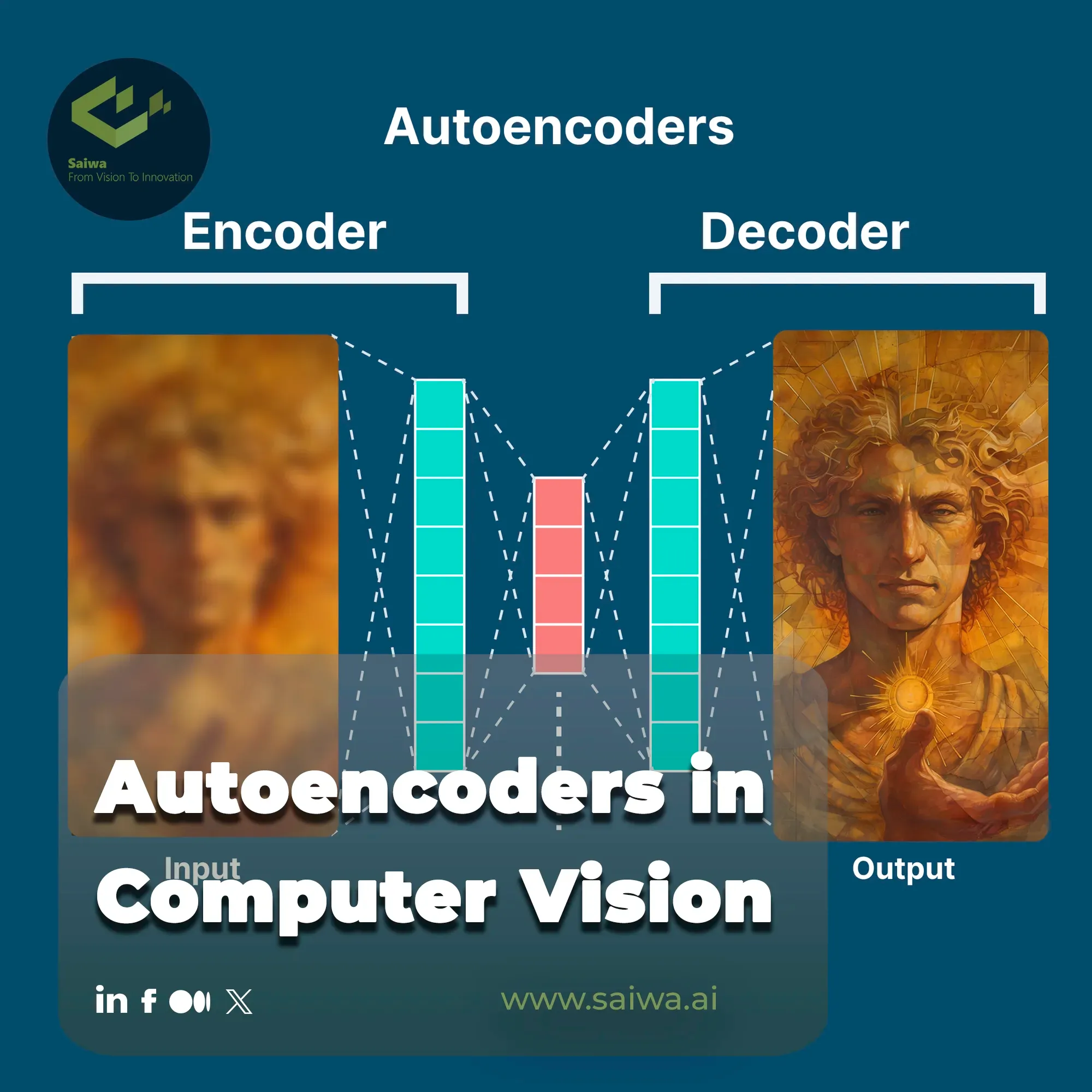
Computer vision, a field focused on enabling computers to "see" and interpret images much like humans do, has seen remarkable progress in re
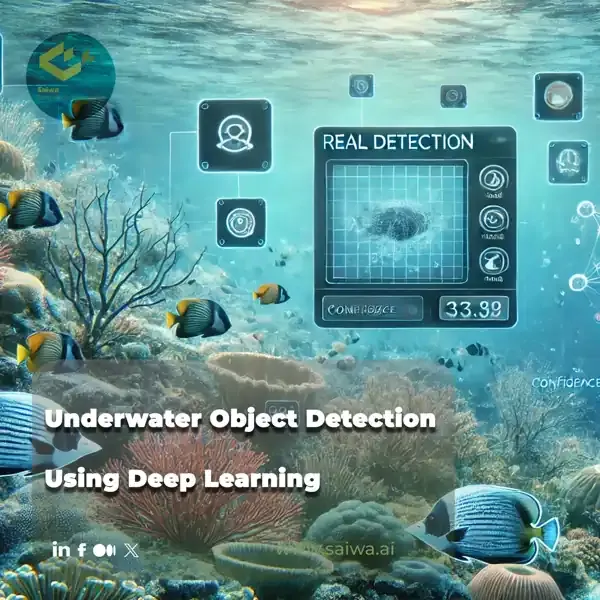
Advancements in deep learning have significantly transformed the field of underwater object detection, offering robust solutions for identif
Be the first to share your thoughts
Start the conversation by sharing your thoughts
Share this article
Help others discover this content
Get expert insights, product news, and industry trends delivered straight to your inbox.
No spam, unsubscribe anytime. We respect your privacy.