





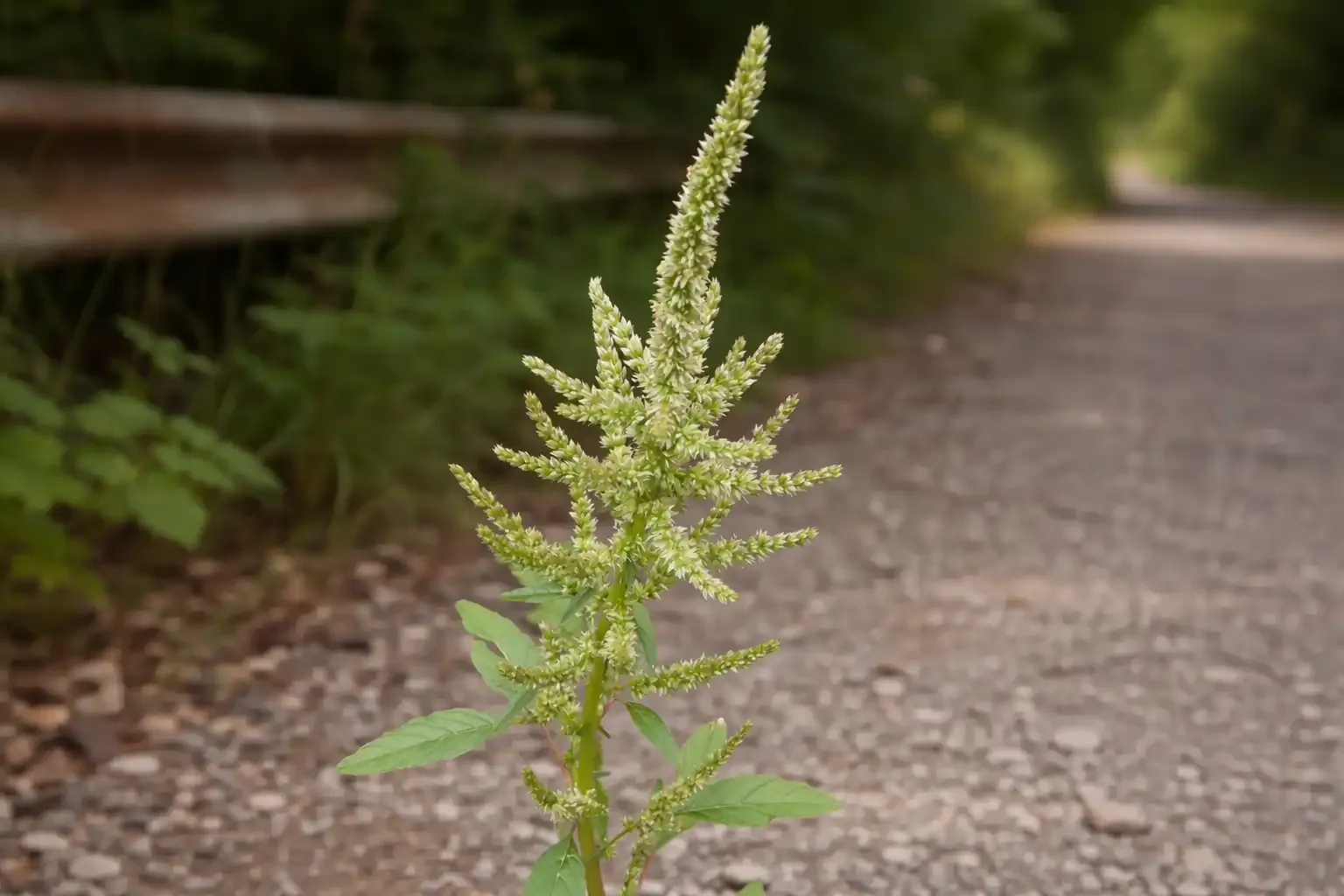
Amaranthus Tuberculatus (Waterhemp)
Amaranthus Tuberculatus (Waterhemp) is a summer-annual broadleaf weed known for its tall, slender, upright growth and smooth, hairless stems and leaves that give the plant a glossy appearance. It typically produces narrow, lance-shaped leaves arranged alternately along the stem and forms elongated, spike-like flower clusters at the top and along branches. Male and female flowers grow on separate plants, and the species produces very small, dark seeds that are difficult to detect and manage in agricultural systems.
Biologically, waterhemp reproduces entirely by seed and relies on cross-pollination because it is dioecious, which promotes strong genetic diversity. Wind can carry pollen long distances, and individual female plants may produce extremely high numbers of seeds, allowing populations to expand rapidly. The species emerges over a long period during the growing season, grows quickly in warm conditions, and develops a persistent soil seedbank, while seeds spread through water movement, field equipment, contaminated inputs, and other agricultural pathways.
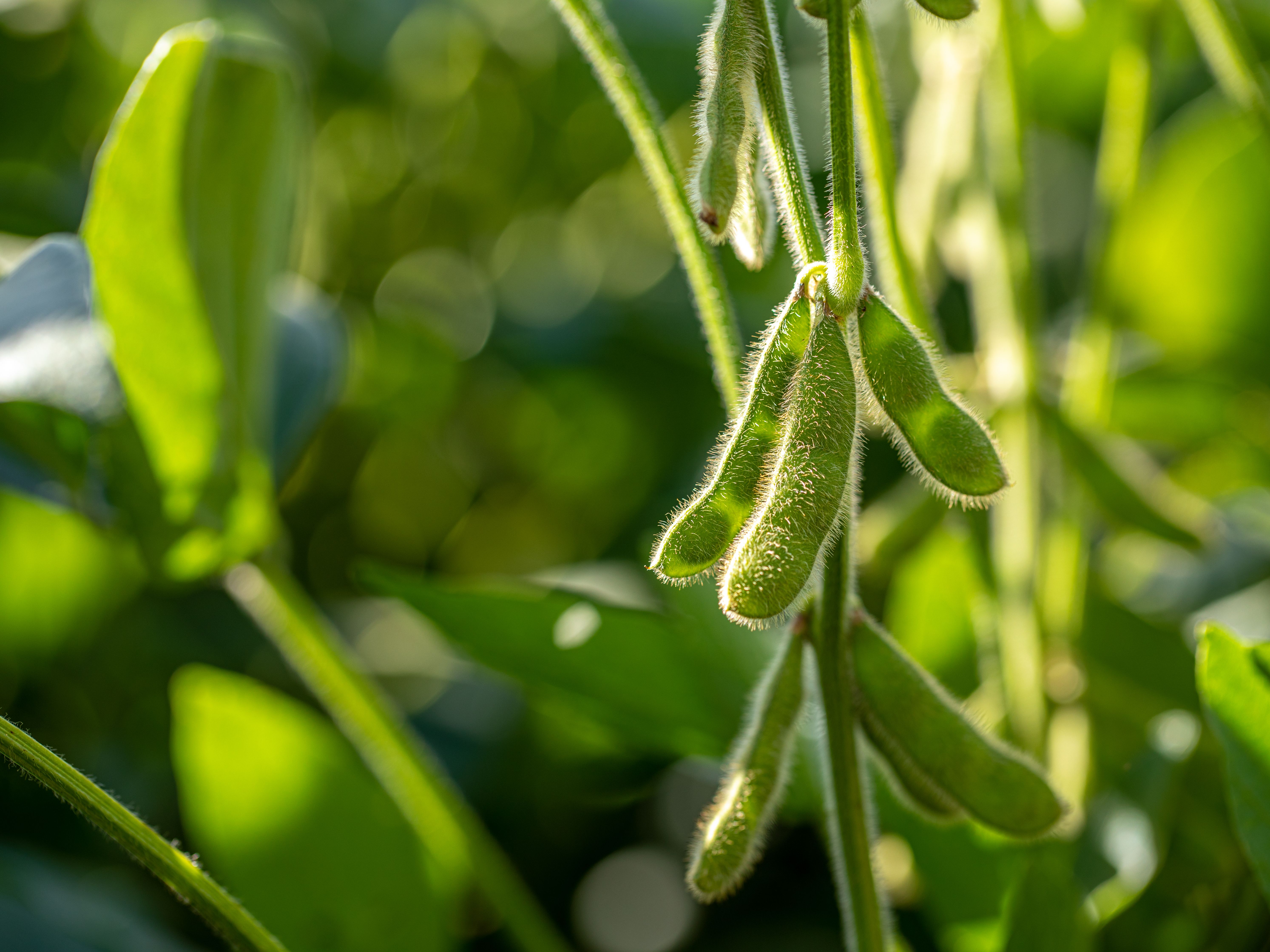
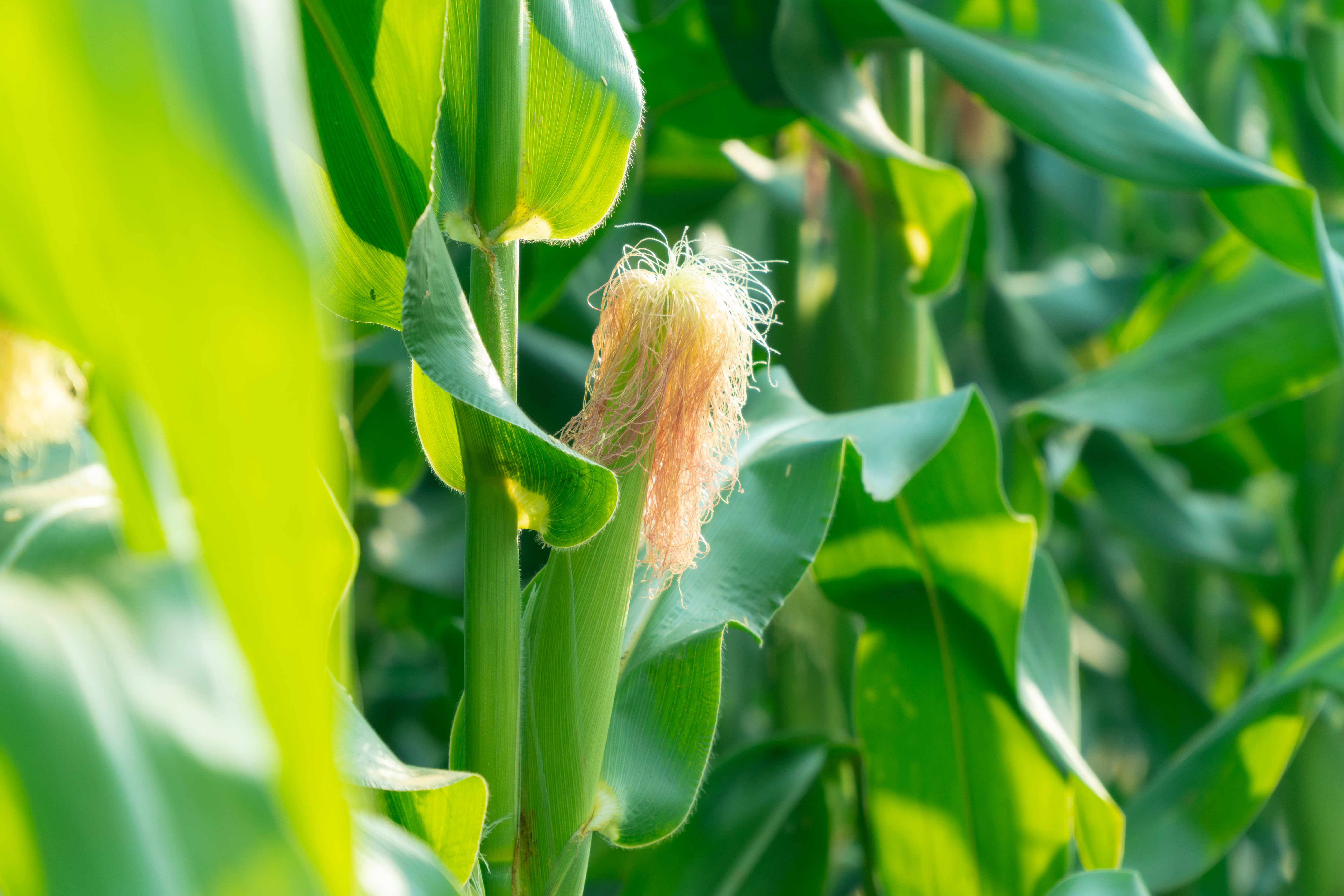
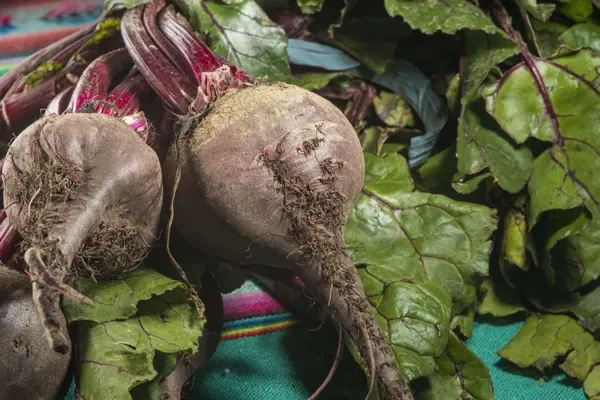
Waterhemp is especially problematic in row-crop agriculture, where it competes strongly with crops such as soybean, corn (maize), and sugar beet, reducing yield by competing for light, nutrients, and moisture. It is most widespread and economically significant in the U.S. Midwest and Great Plains regions, while in Canada, it is common across central provinces from Manitoba to Ontario. In Europe, it is considered an introduced species with more localized and scattered populations, but it is increasingly monitored due to its potential impact on crop production.
We employ a cutting-edge, real-time object detection model to identify Amaranthus Tuberculatus and other invasive species efficiently. This model is designed to balance high-speed inference with accuracy, making it ideal for real-time applications.
Ready to elevate your Images/Videos?
How it works?
Detect Amaranthus Tuberculatus in your fields in three simple steps
Step 1 · Input
Upload your field imagery
Send drone, satellite, CCTV or machinery-camera footage in common formats. No special preparation needed.
- RGB
- Multispectral
- Thermal
- Orthophoto / TIFF
Step 2 · AI analysis
AI detects Amaranthus Tuberculatus
Our cloud models scan every frame, then locate and classify Amaranthus Tuberculatus among your crops and other vegetation. No installation or setup needed.
- Cloud-based
- Zero installation
Step 3 · Output
Get maps ready for action
Download Amaranthus Tuberculatus distribution and clustering maps with GIS data, ready for spot spraying and field decisions.
- GeoJSON
- Shapefile
- KML
- CSV
Flexible Service Delivery
API Integration
Seamlessly connect Sairone’s advanced AI services to your existing systems through modular, easy-to-use APIs.
Fully White-Labeled Solutions
Get a tailor-made version of Sairone—branded, customized, and built specifically for your unique business needs.
Online Web Application
Use our powerful online platform with scalable cloud processing and budget-friendly
Do you want to Detect and Control Amaranthus Tuberculatus ?
Send Us a Message
Fill out the form below and we'll get back to you as soon as possible.