



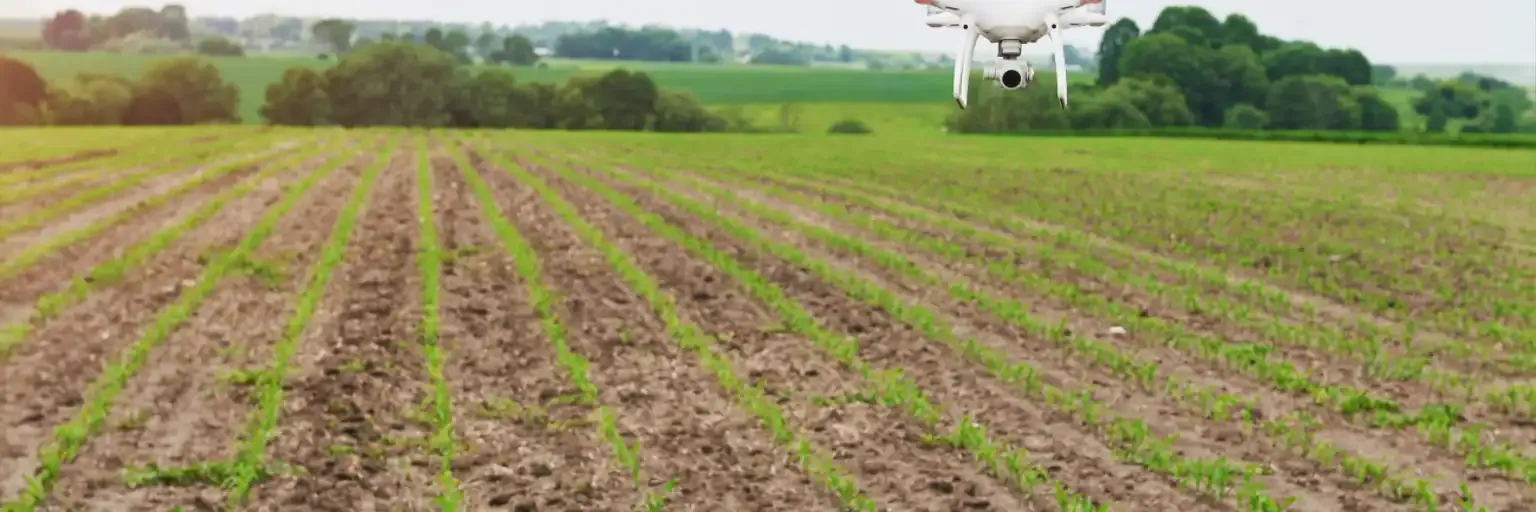
Precision Weed Detection & Cover Crop Intelligence
Outsmart Weeds and Optimise Cover Crops with AI-Powered Drone Analytics
Precision Weed Detection & Cover Crop Intelligence
Outsmart Weeds and Optimise Cover Crops with AI-Powered Drone Analytics
Outsmart Weeds and Optimise Cover Crops with AI-Powered Drone Analytics
Sairone's AI-powered drone platform delivers species-level weed detection and cover crop intelligence — identifying herbicide-resistant populations, flagging noxious species early, and enabling targeted, site-specific herbicide applications that reduce input costs while improving control outcomes.
25%
Reduced Spray Volume
40%
Lower Fertiliser Costs
1,000+
Acres Per Day
95%
Detection Accuracy
Precision Weed Management and Cover Crop Intelligence for Every Growth Stage
Our AI-powered analytics go beyond traditional NDVI scouting to deliver species-level weed identification, herbicide-resistant population mapping, and detailed cover crop assessments — from pre-emergent planning through post-harvest evaluation.
Herbicide-Resistant Weed Detection
Distinguish herbicide-resistant weed populations from susceptible biotypes with AI-powered species-level identification. Sairone's precision mapping pinpoints exactly where resistant patches are emerging, enabling site-specific chemistry switches rather than field-wide rate escalation — lowering costs and building a proactive resistance management program.
Noxious and Regulated Weed Monitoring
Scout hundreds of acres in hours and identify regulated noxious species at early growth stages when control is most effective. Georeferenced compliance maps document adherence to provincial weed control legislation and enable targeted treatments before small infestations require costly, large-scale remediation.
Cover Crop Analytics and Nitrogen Credit Mapping
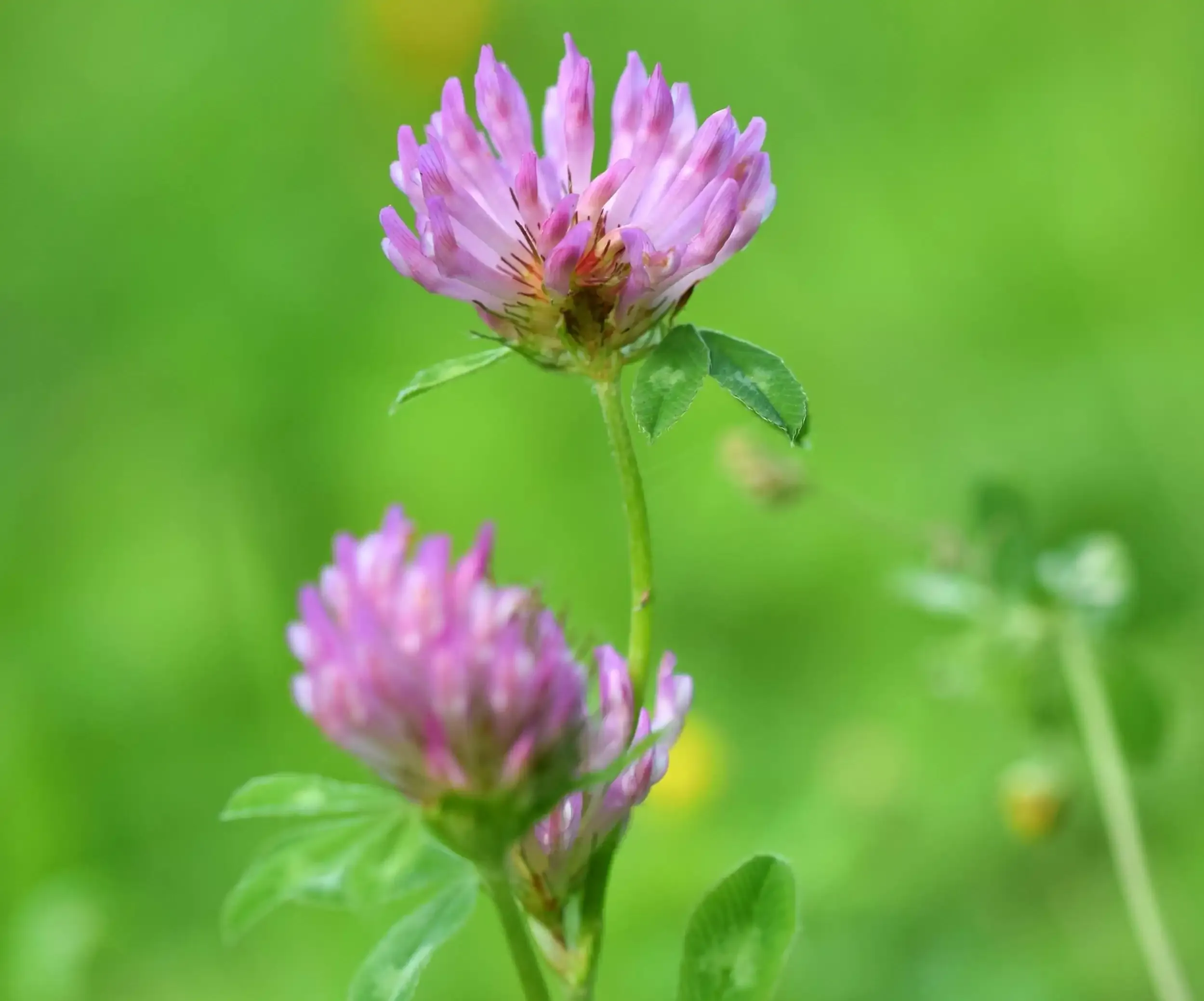
Comprehensive red and white clover stand assessments and biomass estimation via multispectral imaging can reduce subsequent fertiliser costs by 20–40% while maintaining or improving yields. Replace spatially limited soil testing with AI-powered nitrogen credit mapping across entire fields.
Targeted Weed Management and Prescription Mapping
Replace uniform blanket spray programs with precision variable-rate prescriptions matched to actual weed species, density, and distribution. Deliver the right product at the right rate only where it is needed — reducing total herbicide volumes and input costs while supporting long-term integrated weed management.
Four Critical Services to Maximize Your Growing Season
Sairone delivers precision agronomic intelligence at critical decision points — from spring burndown through fall cleanup. Each service is timed to regional growing conditions and designed to turn reactive field walks into proactive, data-driven management.
Benefit
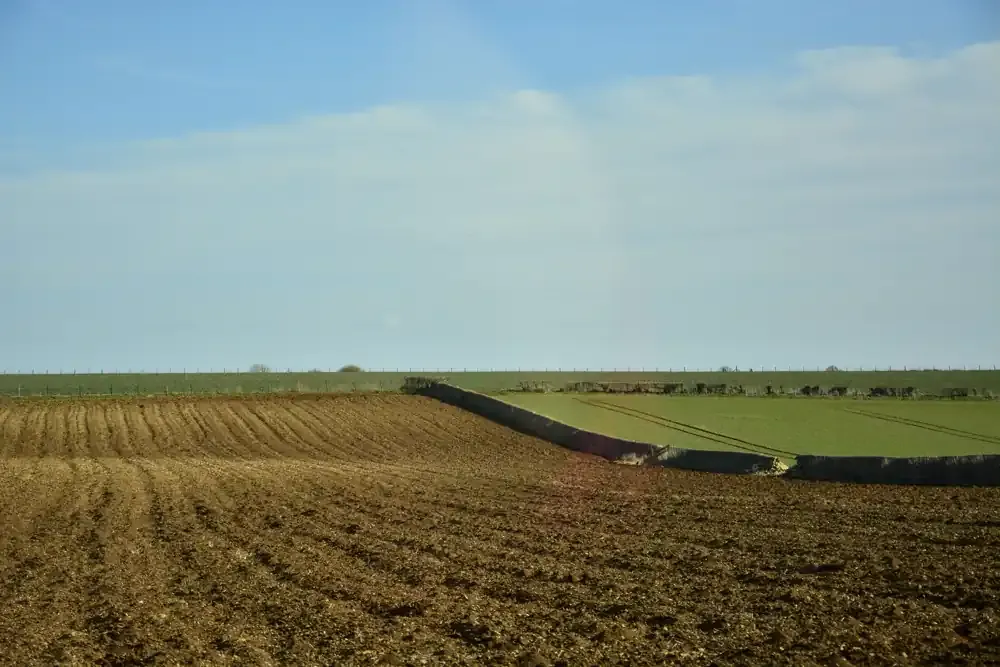
- Precision Targeting: Identify perennials like marestail and henbit before they establish, when weeds are small (≤10–15 cm) and most vulnerable.
- Reduced Input Costs: Map exact weed locations to eliminate blanket applications, cutting herbicide volumes by 25–30% while maintaining superior control.
- Optimal Timing: Scout fields in time to schedule herbicide applications when soil temps exceed 10°C and weeds are actively growing for maximum herbicide uptake.
| Region | Typical Timing | Key Considerations |
|---|---|---|
| Southern US(Texas, Georgia, Florida) | Late February – Early April(2–4 weeks pre-plant) | Target perennials like henbit and marestail before cotton/soybean planting. |
| Central/Midwest US(Illinois, Iowa, Ohio) | Mid-March – Mid-May(1–2 weeks pre-plant) | Scout for marestail and dandelion after warm spells. |
| Northern US / Canada Prairies(North Dakota, Saskatchewan, Manitoba) | Late April – Early June(1–3 weeks pre-plant) | Focus on no-till canola/soybean fields. |
| Northeast US / Canada(Pennsylvania, Ontario, New York) | Early April – Mid-May(7–14 days pre-plant) | Target high-density winter annuals like chickweed. |
Benefit
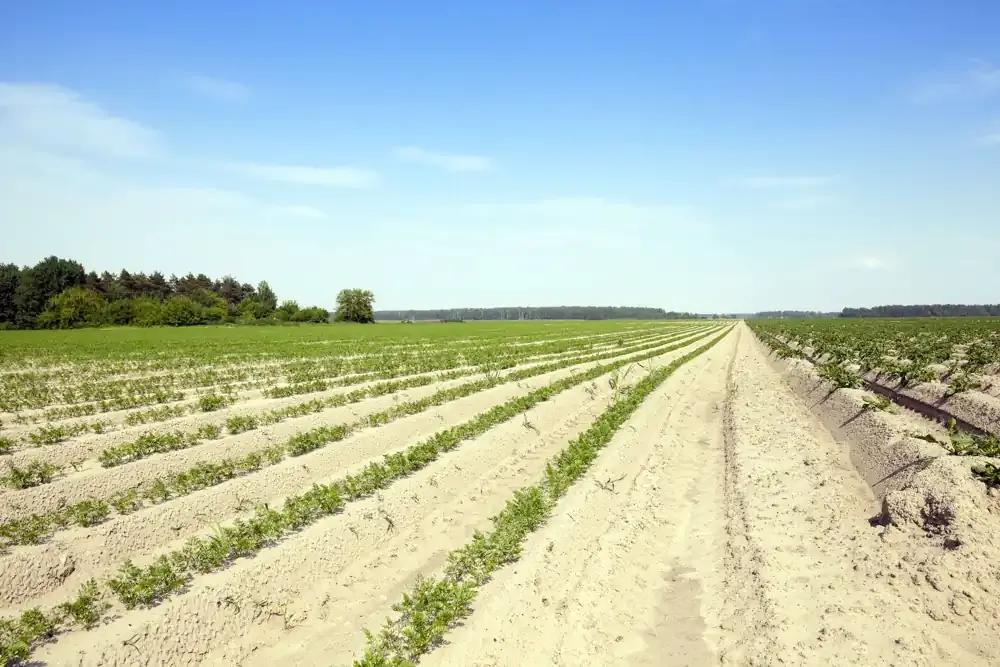
- Dual Intelligence: Simultaneous weed detection and crop stand analysis in a single flight, identifying pest pressure and emergence gaps together.
- Critical Timing: Scout at the optimal 2–4 leaf stage (V1–V8 corn, V2–V3 soy) when herbicides are most effective.
- Resistance Management: Map resistance patterns early and rotate chemistries strategically to prevent development in pigweed and other problem species.
| Region | Typical Timing | Key Considerations |
|---|---|---|
| Southern US(Texas, Georgia, Florida) | April – June(Corn: V2–V6; Soy: V1–V3) | Target pigweed <8 cm early; second application 2–3 weeks later if needed. |
| Central/Midwest US(Illinois, Iowa, Ohio) | May – July(Corn: V2–V7; Soy: V2–R1) | Apply when weeds ≤10 cm; delay if crops are stressed from drought or cold. Wheat: April–May during tillering. |
| Northern US / Canada Prairies(North Dakota, Saskatchewan, Manitoba) | June – August(Corn: V3–V8; Soy: V2–V4) | Apply on days above 16°C following cold nights; target small weeds for resistance management. Spring wheat: May–June. |
| Northeast US / Canada(Pennsylvania, Ontario, New York) | May – July(Corn: V2–V6; Soy: V1–V3) | Post-emergence in corn before 30 cm tall; scout for ragweed; additives boost uptake. Winter wheat: March–April. |

Benefit
- Significant Cost Savings: Calculate N credits of 50–120+ lbs N/acre from well-established red clover, potentially reducing synthetic fertilizer costs by 20–40% on subsequent corn crops.
- Environmental Benefits: Zone-specific N prescriptions minimize over-application and nitrate leaching, supporting sustainable stewardship goals.
- Dual-Season Intelligence: Fall assessments predict overwinter survival and spring N potential; spring flights at peak biomass deliver the most accurate pre-termination credit data for immediate planning.
Benefit
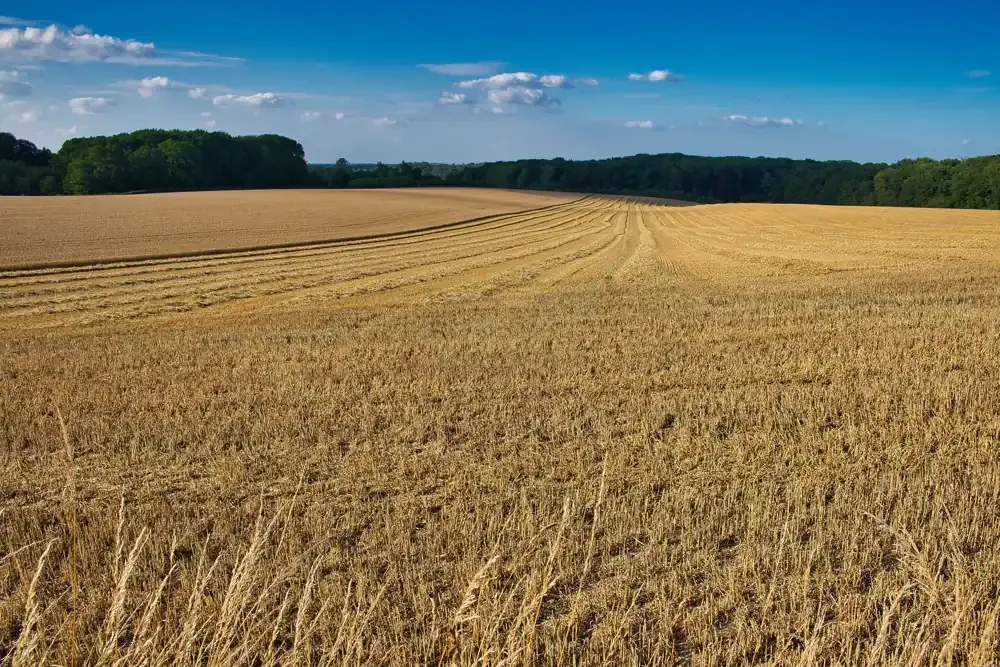
- Flexible Planning: Target emerged weeds post-harvest to control winter annuals before they establish and prevent spring population explosions.
- Cost & Time Advantage: See which weeds you are dealing with and at what pressure, for spring planning. Systemic herbicides applied in the fall can be translocated to belowground growing points preventing spring regrowth — a critical advantage for perennial weed control.
| Region | Typical Timing | Key Considerations |
|---|---|---|
| Southern US(Texas, Georgia) | Late October – Mid-December | Extended growing season allows later applications; control volunteer cotton and grasses. Post-freeze applications viable if warm-up follows within a few days. |
| Central/Midwest US(Illinois, Iowa, Ohio) | Mid-September – Late November | After corn/soybean harvest; target perennials like dandelion. Efficacy drops significantly by late November as plants enter dormancy. |
| Northern US / Canada Prairies(North Dakota, Saskatchewan) | Mid-September – Early November | Post-cereal harvest; target winter annuals before freeze. Pre-freeze applications outperform spring mixes for both cost and control. |
| Northeast US / Canada(Pennsylvania, Ontario) | Late September – Mid-November | Scout for perennial weeds, biennial weeds, and get an idea of your seedbank for species like dandelion, chickweed, shepherd's purse. |
Built for the Modern Farm
No expensive hardware, no steep learning curve, no long-term contracts — just results.
Use Your Existing Drones
Sairone works with DJI, Autel, Wingtra, and consumer models like the Mavic 3. Capture imagery with equipment you already own.
Rapid Turnaround
Upload drone footage and receive weed maps, crop stand reports, and herbicide prescriptions for targeted applications and spot sprays in minutes — not days.
Herbicide Prescription Maps
Get shapefiles, georeferenced maps, and file formats ready to transfer to your drone sprayer or ground sprayer via John Deere Operations Centre, Case IH Field Ops, PTx Trimble AGCO software or many others.
Species-Level Precision
AI identifies specific weed species and maps spatial patterns with over 95% accuracy — saving you on contact herbicides.
Multi-Year Tracking
Build a historical record of weed pressure, treatment effectiveness, and crop performance to identify resistance trends and track ROI over time.
Agronomists & Technologists in the Field
Our team brings hands-on agronomic expertise and cutting-edge drone technology directly to your fields — from Ontario corn and soybean country to the Canadian Prairies.
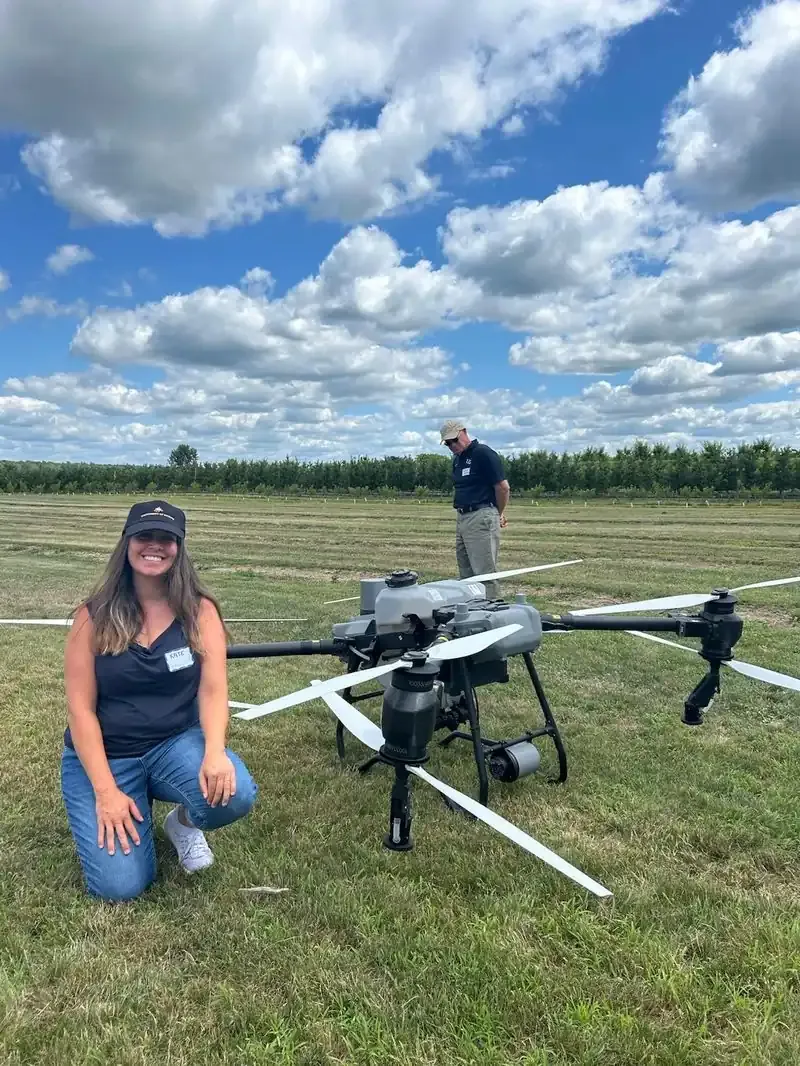
Precision AG & Drone Operations
Field testing with agricultural spray drones — combining agronomic expertise and drone technology to develop real-world precision application workflows.
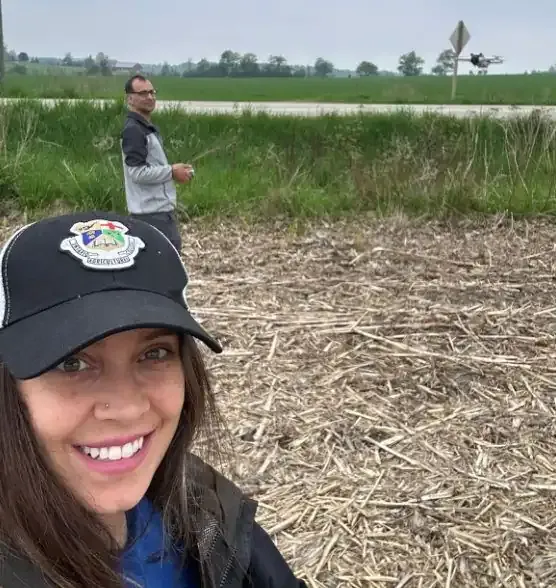
Field Scouting & Data Collection
Active drone flight operations over Ontario farm fields — collecting multispectral imagery for weed detection, crop stand assessment, and cover crop analysis.
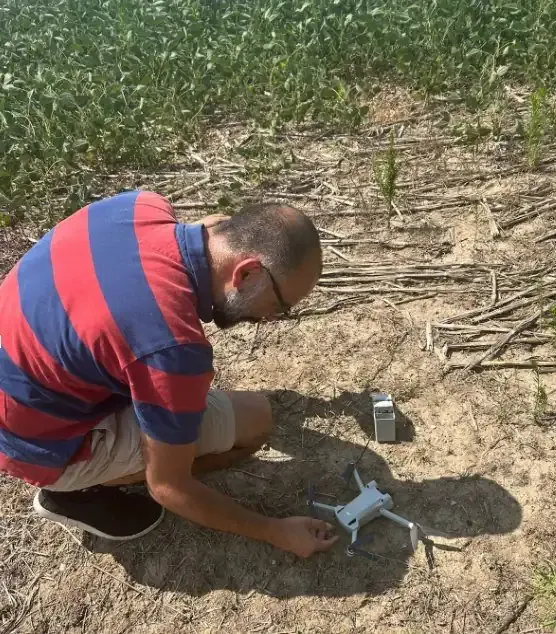
AI Model Development & Calibration
Pre-flight drone calibration in active soybean fields — ensuring sensor accuracy and data quality for plant-level species detection and crop analytics.