



Computer vision–based bat monitoring solution
Status: Development (Started in Mon Nov 10 2025)
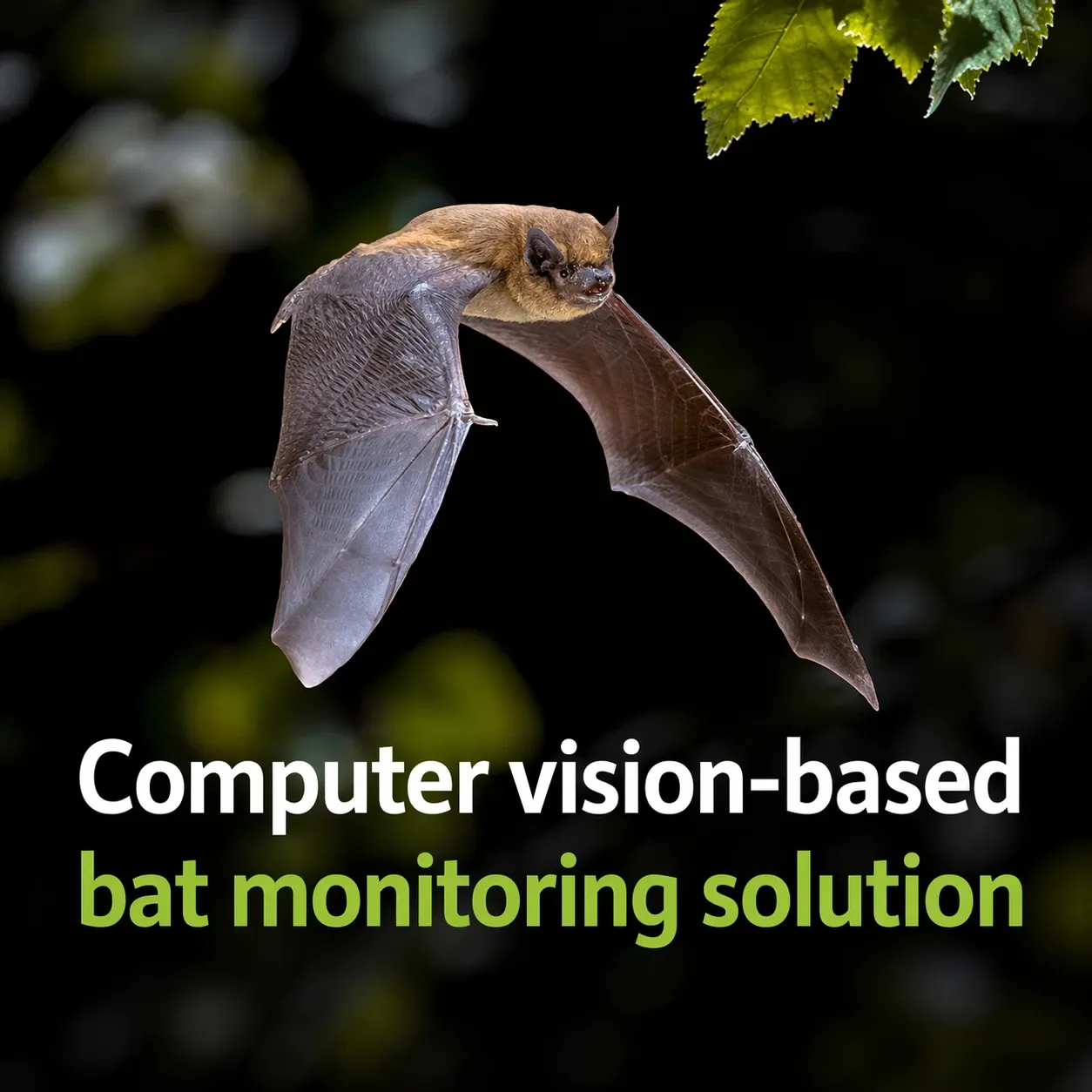
This article introduces a computer vision–based bat monitoring solution developed by Saiwa in collaboration with Sam Watson Ecology. The system analyzes images and videos captured from residential and building environments to detect bats and their nests. The goal is to deliver one of the first commercial ecological monitoring solutions that is accurate, cost-effective, and easy to deploy for environmental agencies, researchers, and industry partners.
About Sam Watson Ecology
Sam Watson is an experienced ecologist with a long-standing background in managing a wide range of ecological projects—from field surveys to comprehensive reporting and presenting evidence at inquiries. Before establishing his own practice, Sam served as a principal consultant at Bioscan, an environmental consultancy specialising in applied ecology, where he worked since 2003.
As a full member of the Chartered Institute of Ecology and Environmental Management (CIEEM), Sam is highly skilled in coordinating large-scale, multi-disciplinary ecological surveys and delivering extensive reporting outputs, including Environmental Impact Assessments (EIA) and Habitats Regulations Assessments (HRA).
Project Overview
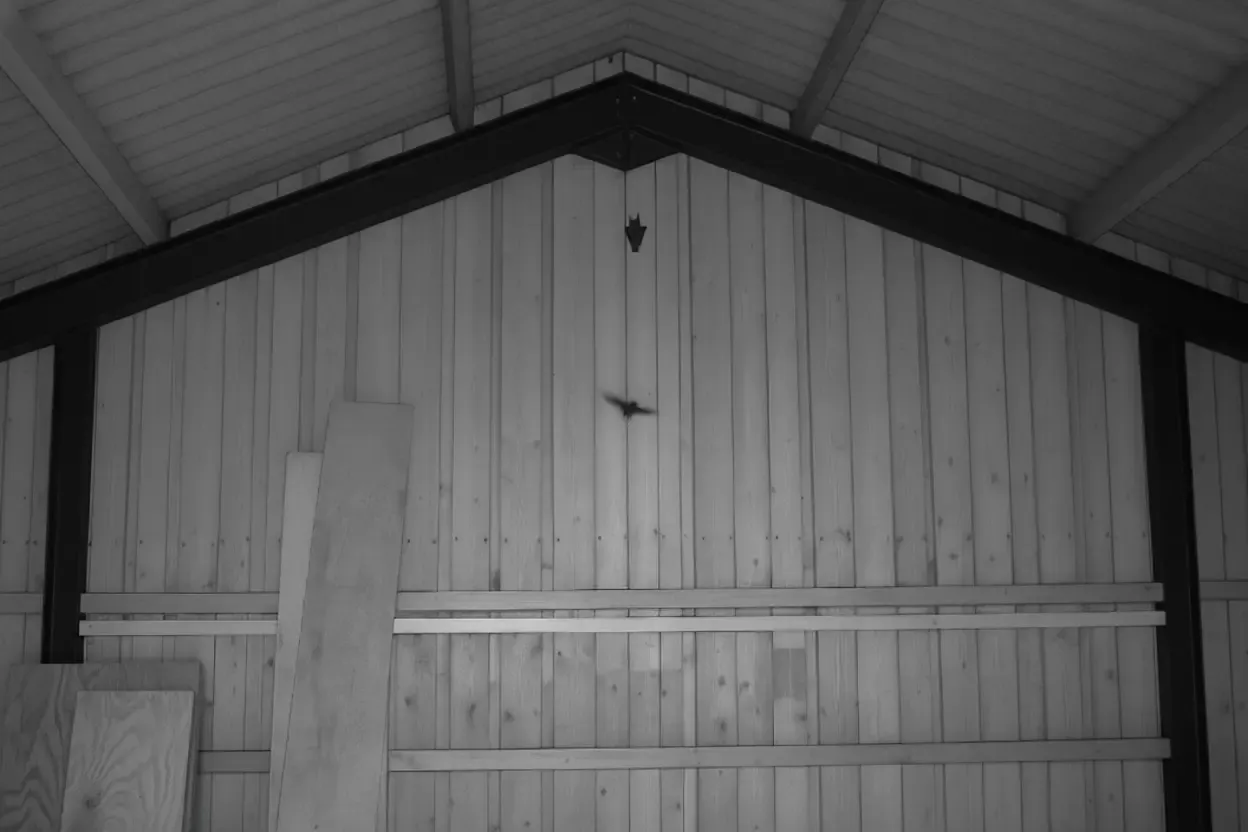
Bats that nest in homes can cause damage over time. This can include wood decay and corrosion, damaged insulation, and a strong odour. There is also an increased risk of disease transmission due to the accumulation of their droppings and urine, which poses a health risk. In collaboration with Sam Watson Ecology, Saiwa is developing an AI model that uses computer vision to process videos and images and identify bats and their nests.
Innovation
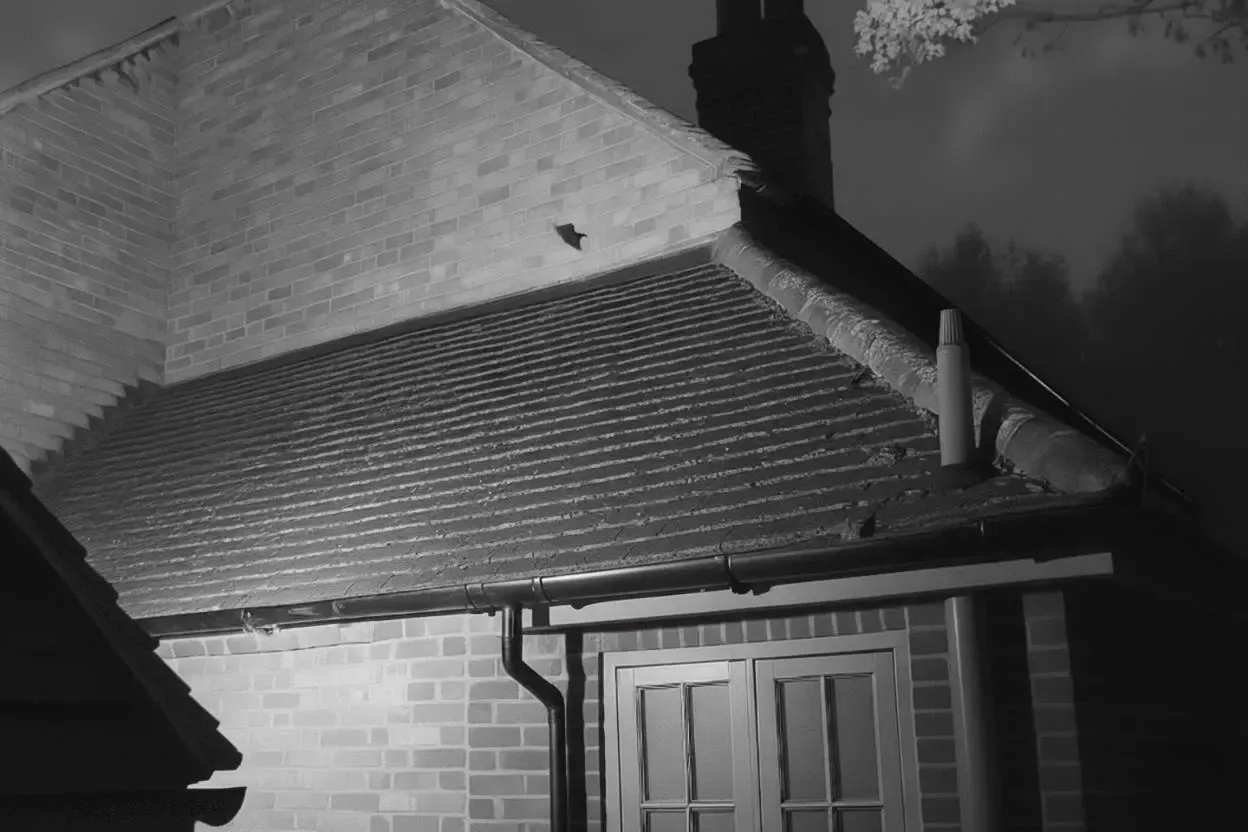
The solution developed by Saiwa's team is one of the first commercial solutions for detecting bats and their nests in residential areas, homes, and buildings using computer vision processing of fixed surveillance camera images and videos. The model is to be developed in a way that is cost-effective and easy-to-use for environmental protection agencies, research institutions, and industrial partners.
Partners
- Saiwa Inc: Development of computer vision-based AI model and deployment on Sairone platform
- Sam Watson Ecology: Applied ecology specialist
Solution
Sam Watson Ecology uses its equipment and cameras to collect suitable data, including high-quality images and videos, to train the model, and Saiwa's team uses that to develop a computer vision model that can process the data to identify bats and their nests and provide them in the form of downloadable reports.
The algorithm assumes a fixed camera at night, and has these steps:
- Preprocessing: It denoises frames to remove insects and small moving objects, then enhances contrast to reveal faint details.
- Detection: Background subtraction reduces slow lighting changes, and frame differencing highlights fast, small motions (bat flights).
- Tracking: Detected bats are tracked in 2D with a Kalman filter, overlapping tracks are separated, and individual flight paths are recovered.
- Roost Estimation: Start and end points of tracks are analyzed; If these points cluster in regions away from the frame edges, the area is likely a roost. A Gaussian voting scheme selects the most likely roost locations, which are shown with bounding boxes.
The output is a map on the first frame with roost candidates, plus a video showing bats, their tracks, and a black-and-white motion mask.