



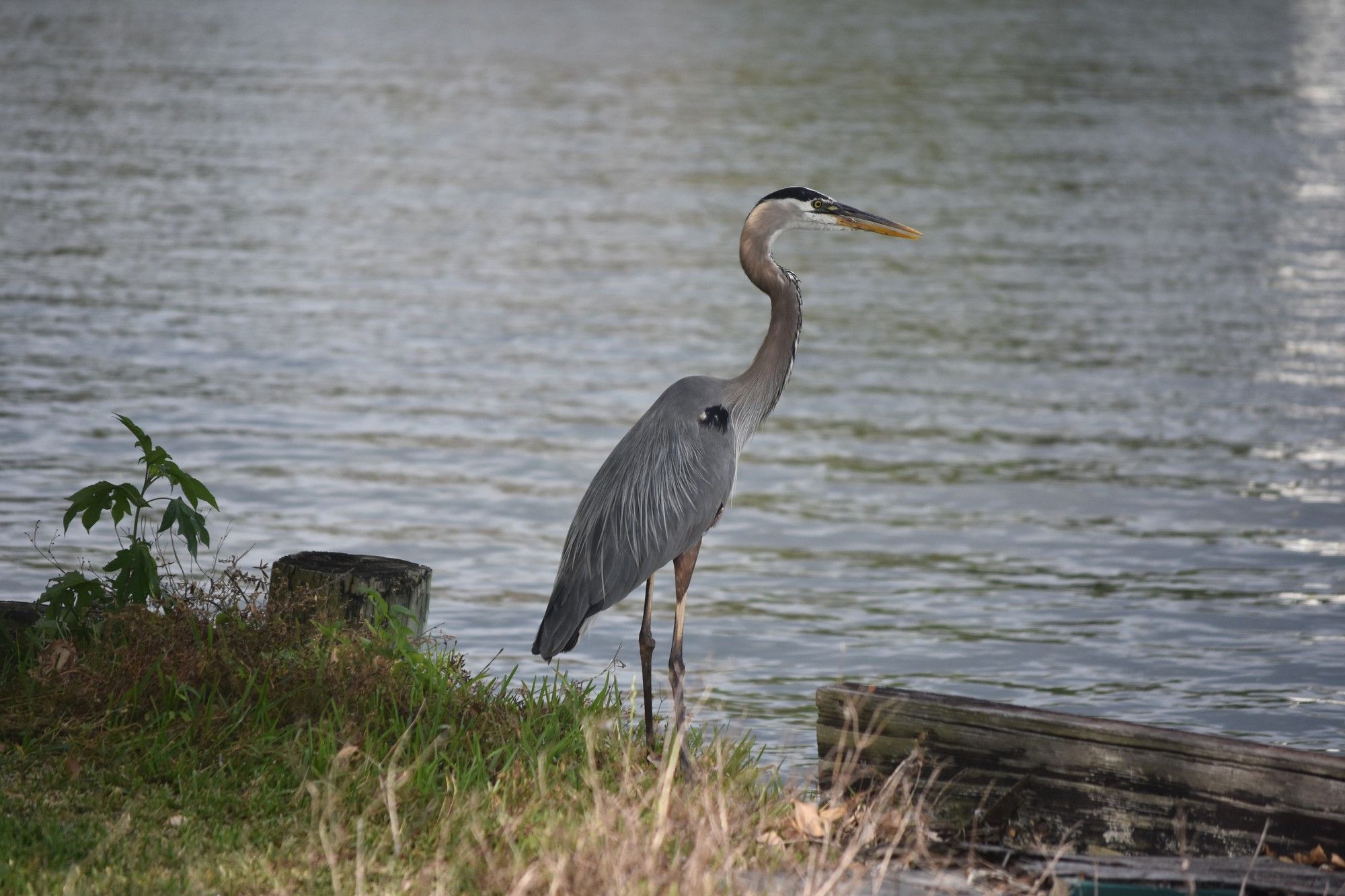
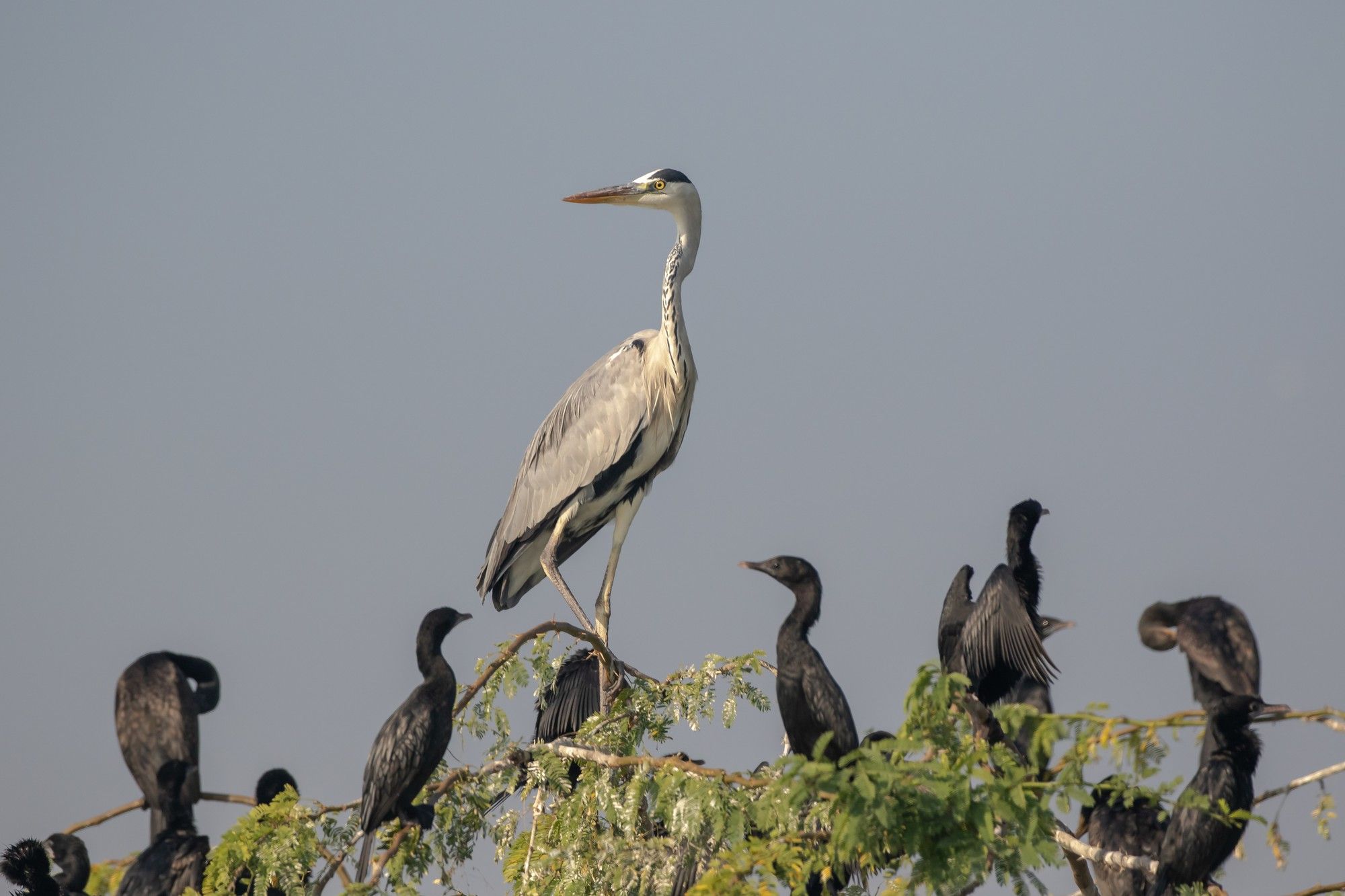
Great Blue Heron
Wading birds such as great blue herons often inhabit wetlands, marshes, or shallow water bodies — sometimes in inaccessible or vegetated habitats, making ground-based monitoring difficult. Their often solitary or low-density occurrence makes conventional surveys labor-intensive. AI-based monitoring (drones, camera traps) offers a way to systematically and repeatedly monitor presence, habitat use, and behavior with minimal disturbance. The broader success of AI for bird surveys suggests applicability to herons as well.
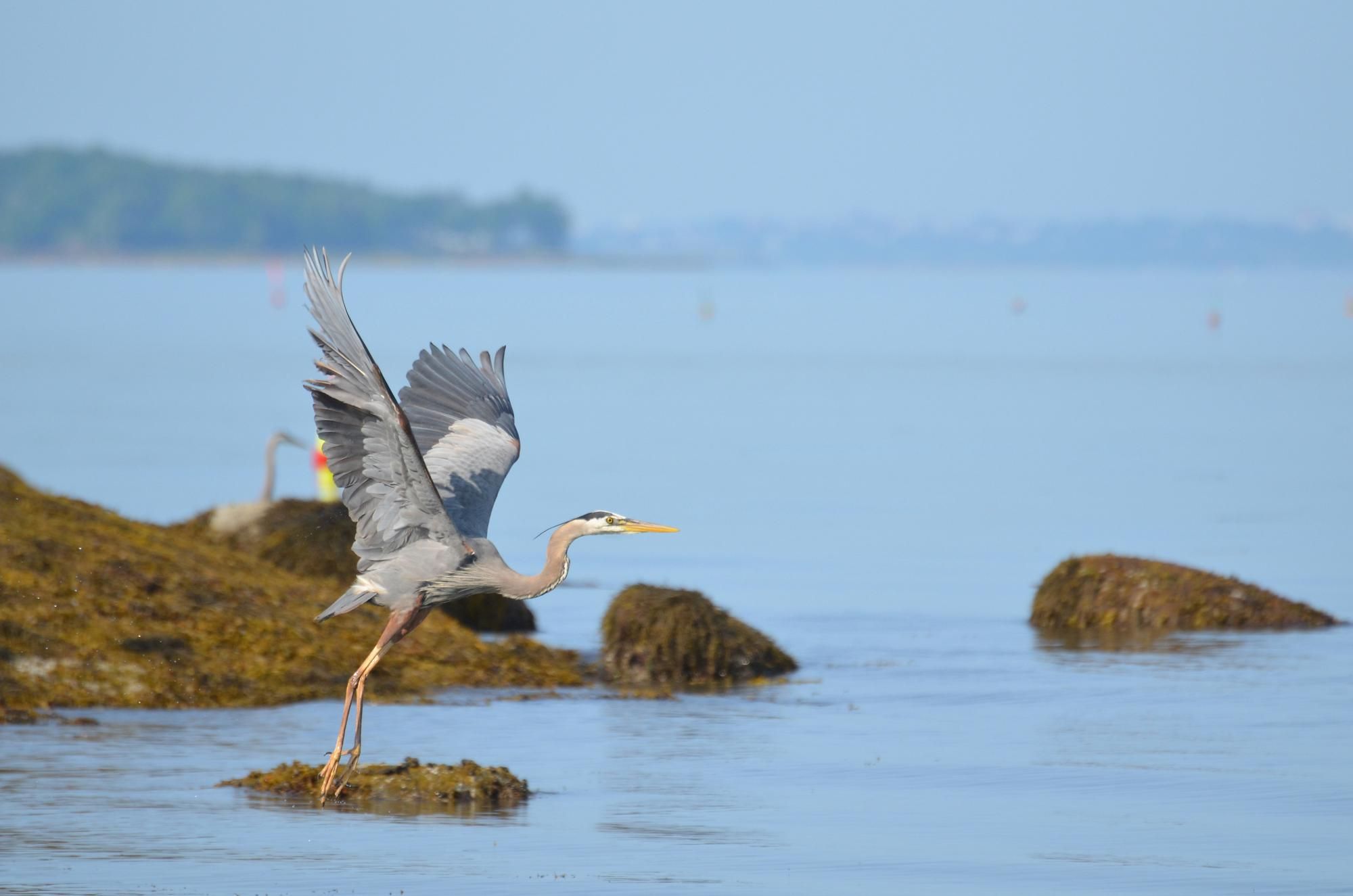
Automated species detection & presence/absence monitoring
Detect herons in aerial or ground imagery and track their presence over time.
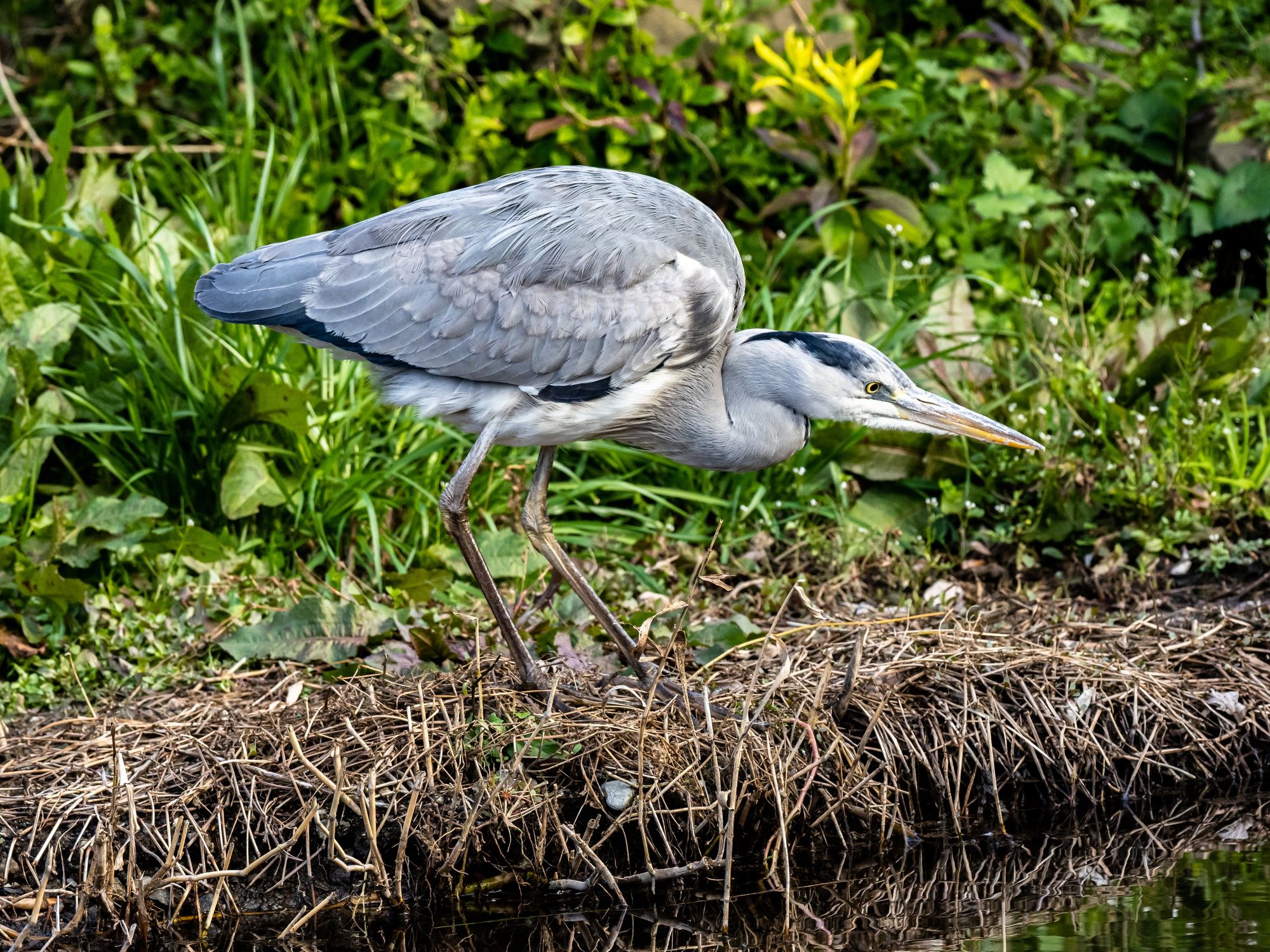
Nesting site mapping
Identify and map nesting/roosting sites to support habitat protection.
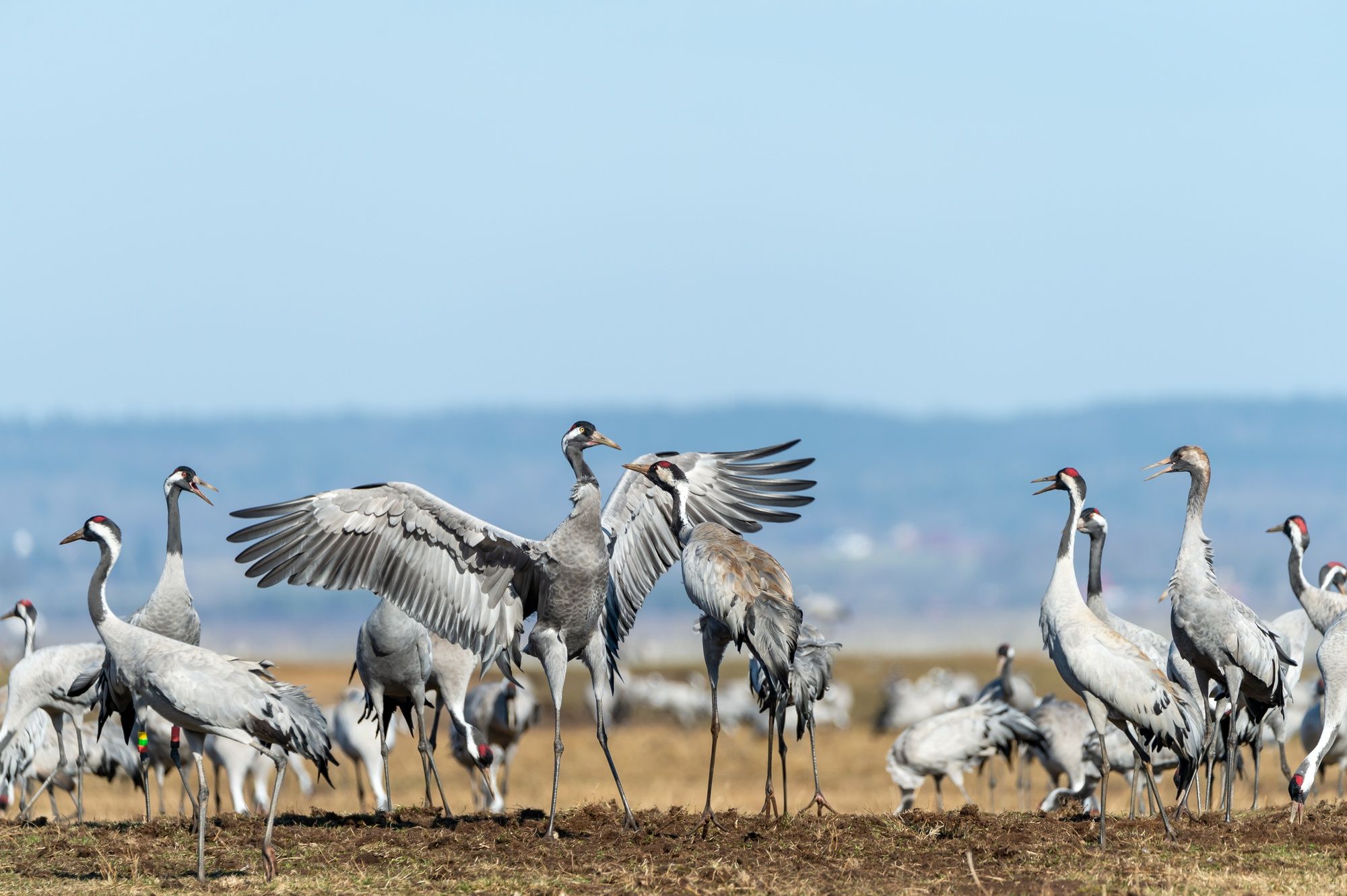
Population trend monitoring
Monitor population changes across seasons or years.
Disturbance and risk alerting
Detect possible disturbances (e.g. human encroachment) near nesting sites or unusual movement patterns.
How it works?
Easy to use online cloud-based web service

Upload Images/videos
Aerial videos/images in various formats Orthophoto/TIFF images RGB, multispectral, thermal Surveillance (CCTV) cameras Agricultural machinery camera
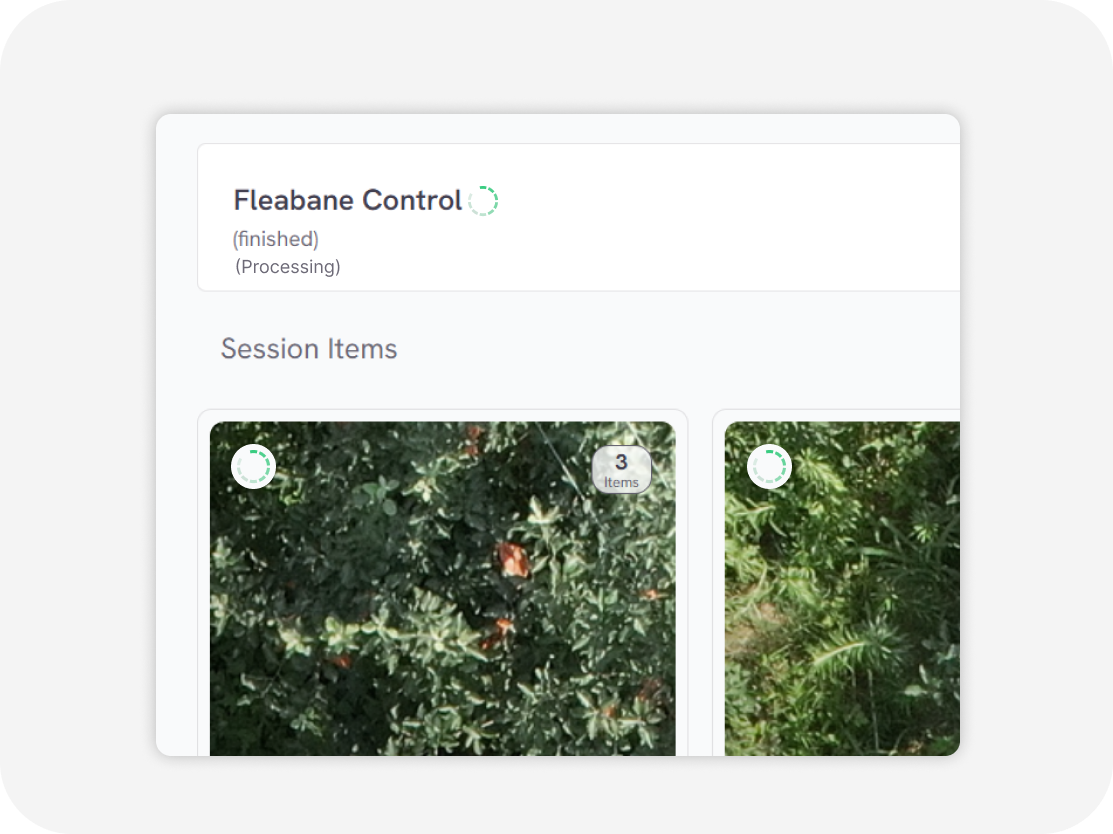
Processing
in second
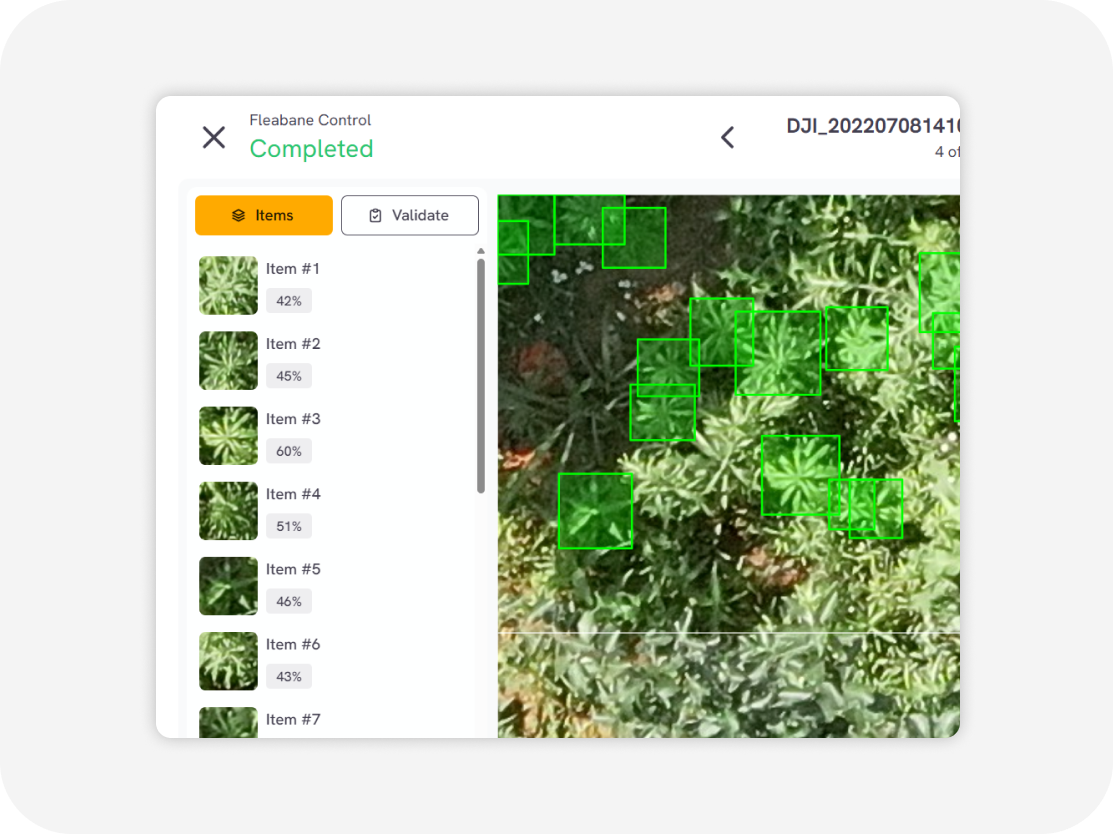
Download output
Weed distribution map with GIS data Weed clustering map with GIS data (GeoJSON, Shapefile, KML, CSV)
Flexible Service Delivery
API Integration
Seamlessly connect Sairone’s advanced AI services to your existing systems through modular, easy-to-use APIs.
Fully White-Labeled Solutions
Get a tailor-made version of Sairone—branded, customized, and built specifically for your unique business needs.
Online Web Application
Use our powerful online platform with scalable cloud processing and budget-friendly