



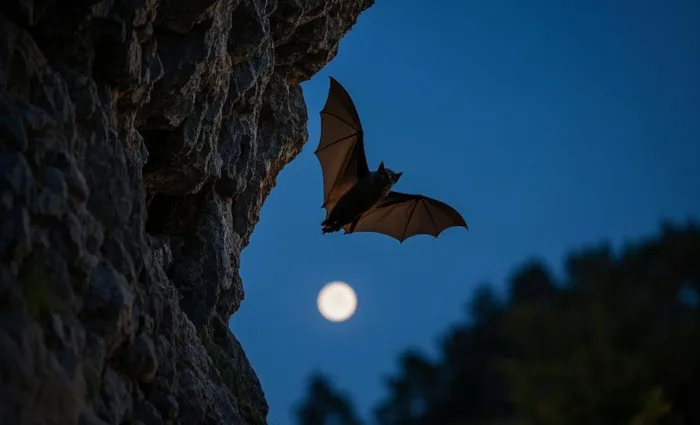
Bat surveys are a regulatory requirement, and traditional methods don't scale
Across Canada, the United States, and the UK, bats and their roosts are protected under federal and provincial/state legislation. Development projects, infrastructure works, and land management activities that may affect bat habitat typically require a licensed bat survey before work can proceed. Manual survey methods are time-intensive, weatherdependent, and difficult to replicate consistently across multiple sites. Sairone's computer vision platform enables scalable, repeatable surveys using fixed surveillance cameras — reducing cost, expanding site coverage, and generating the structured datasets that regulators and researchers need.
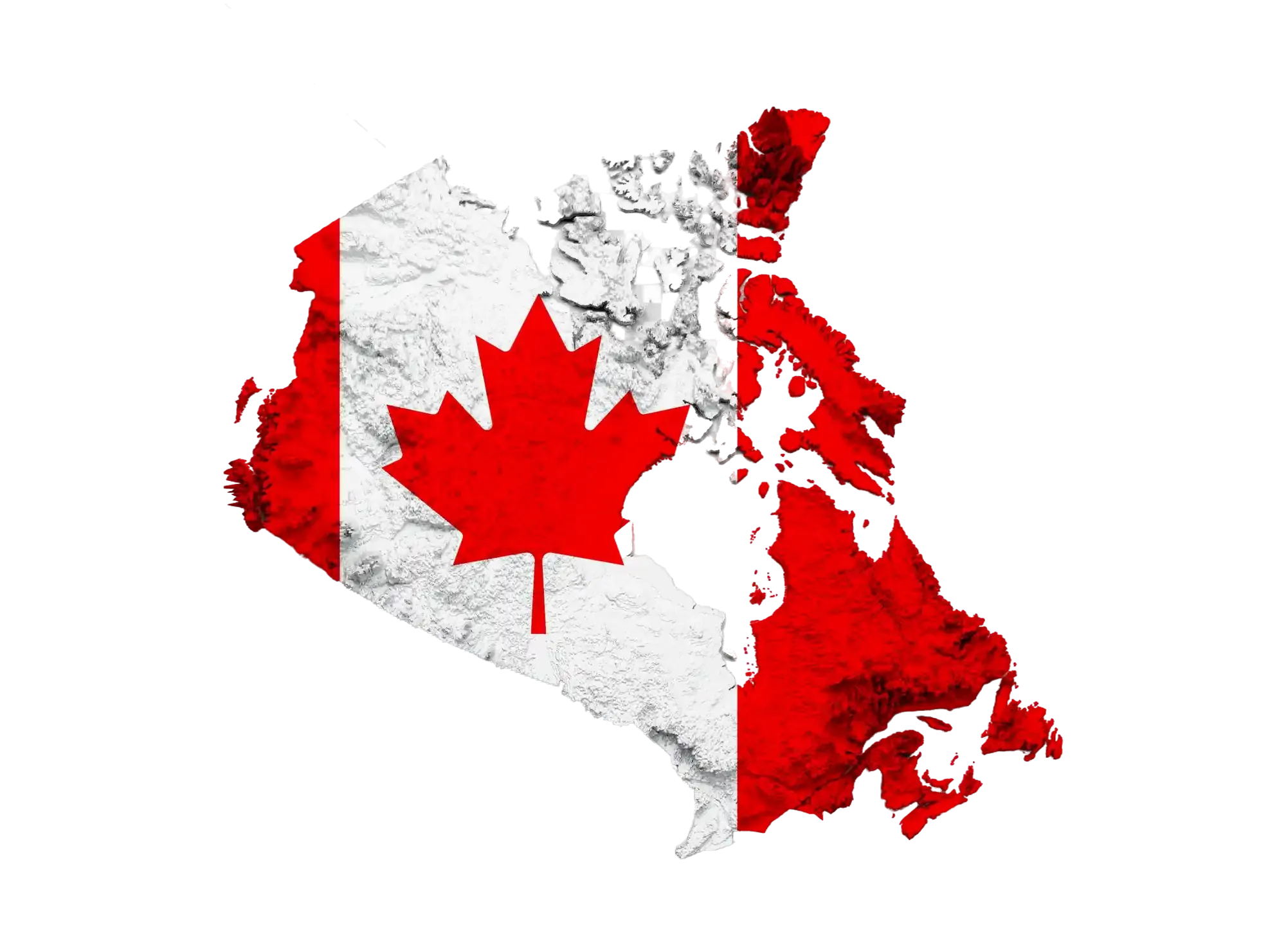
Species at Risk Act (SARA)
Federal protection for listed bat species. Multiple species now listed as Endangered or Threatened, including the little brown bat and tri-colored bat, following Whitenose Syndrome population collapse

Endangered Species Act (ESA)
Federal protection for listed species. The Indiana bat and northern long-eared bat are listed as Endangered; the tricolored bat was proposed for listing in 2022. Section 7 and Section 10 consultations often require bat surveys.
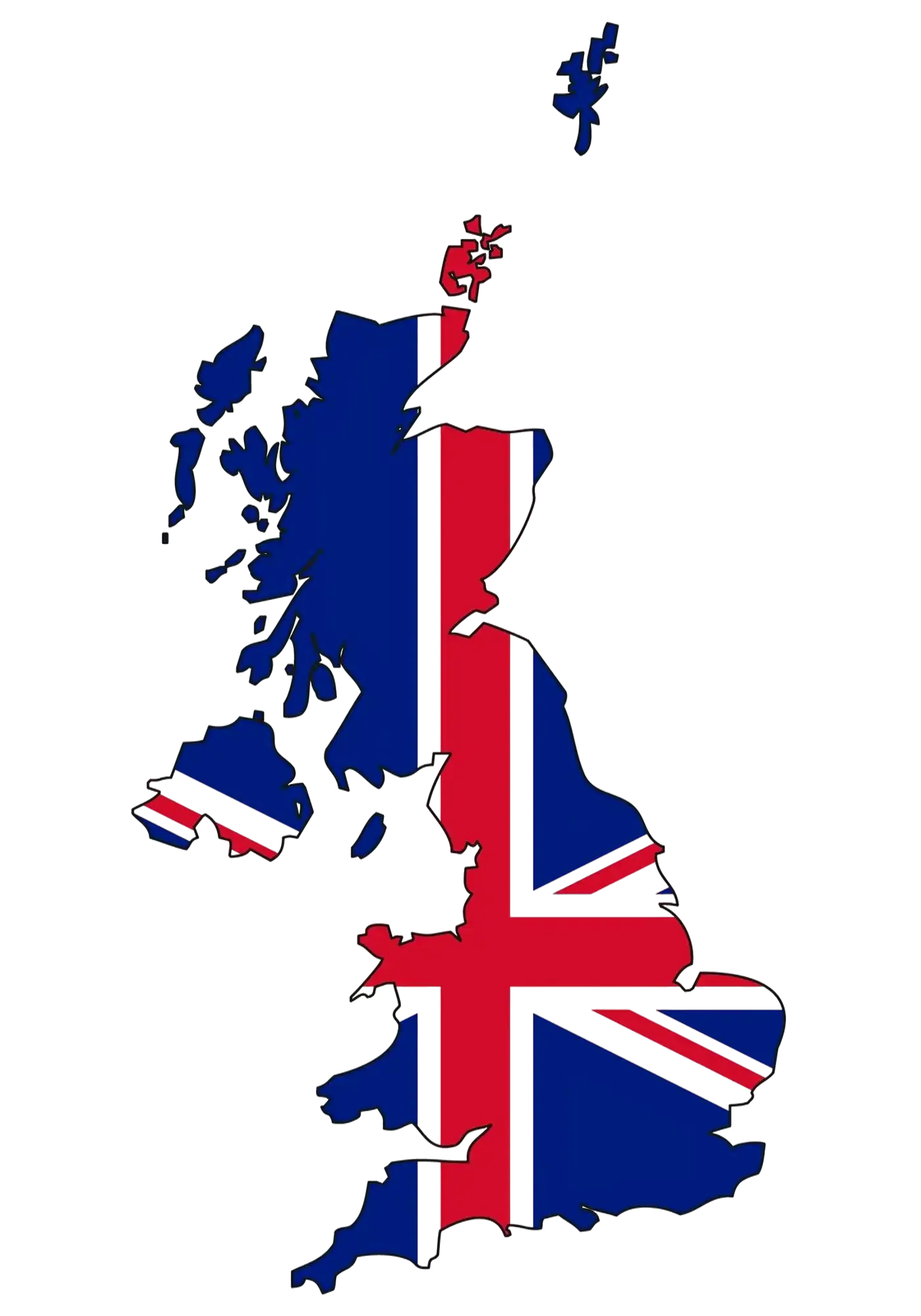
Wildlife & Countryside Act / Habitats Regs
All 18 resident bat species and their roosts are fully protected. Disturbing or destroying a bat roost without a licence is a criminal offence — triggering survey requirements on nearly all building and development projects
White-nose Syndrome has reshaped North American bat conservation
First detected in New York in 2006, White-nose Syndrome (WNS) — caused by the fungal pathogen Pseudogymnoascus destructans — has killed an estimated 5.7 to 6.7 million bats across North America. Several previously common species, including the little brown bat, have declined by more than 90% in affected regions. This has dramatically elevated the conservation and regulatory profile of bat monitoring across Canada and the United States.
Scalable, consistent population monitoring is now a priority for wildlife agencies, conservation organisations, and researchers tracking WNS spread and recovery. The Sairone platform is designed to support this need with deployable, low-cost camera systems that generate comparable data across sites and seasons.
Built for ecological professionals, planners, and conservation organisations
The platform serves the full spectrum of professionals who rely on bat survey data, from compliance-driven development workflows to long-term population research.
One platform, multiple survey contexts
From pre-construction compliance surveys to multi-year conservation monitoring programmes, the system adapts to the full range of environments where bat data is needed
Residential & buildings
Roost detection in homes, lofts, and commercial structures prior to renovation or demolition works.
Infrastructure
Bridges, culverts, and structures surveyed for bat use as part of highways, rail, and utilities projects
Wind energy
Pre-construction activity surveys and post-construction mortality monitoring for turbine siting and permitting.
WNS research
Population monitoring at hibernacula and summer roosts to track WNS-affected colonies over time.
Long-term monitoring
Repeatable seasonal datasets for national monitoring programmes and post-development mitigation compliance.
Monitoring species under pressure across three jurisdictions
Species of conservation concern vary by region. The platform is designed to generate the structured activity data needed to support status assessments and recovery planning across North American and UK contexts.
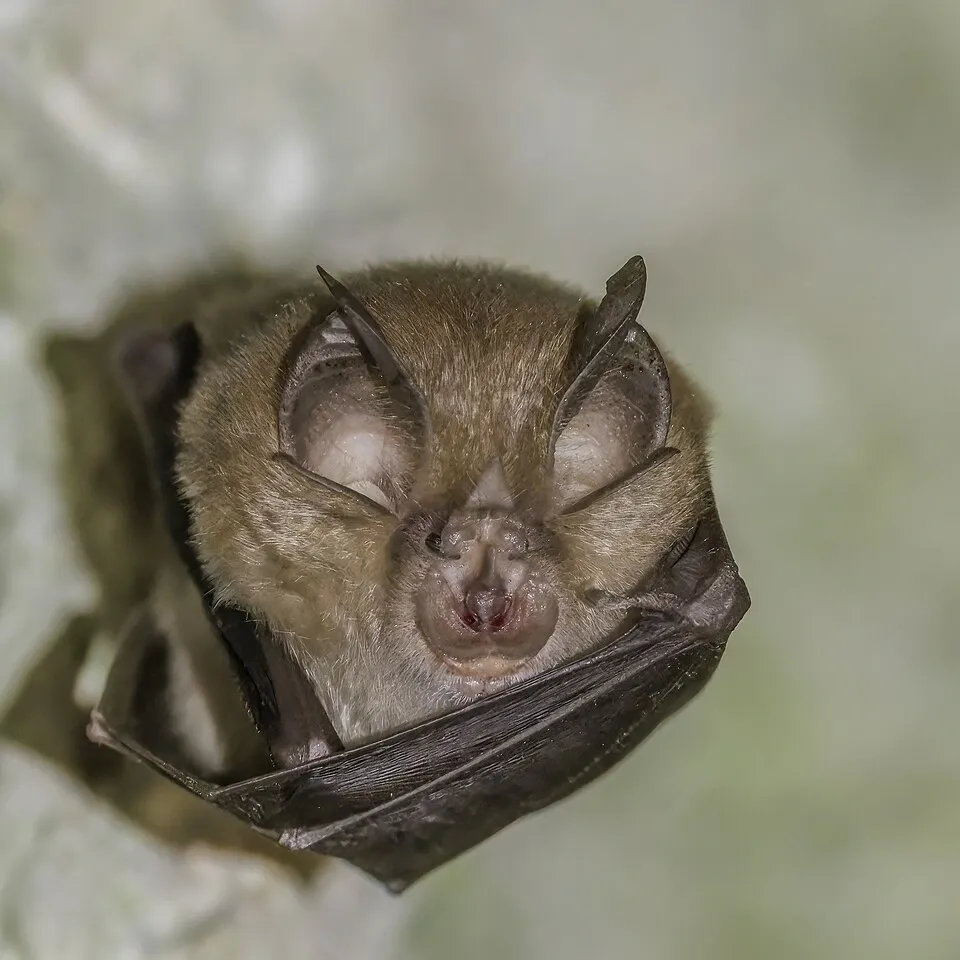
Greater horseshoe bat
Rhinolophus ferrumequinum — rare UK species; triggers enhanced planning conditions
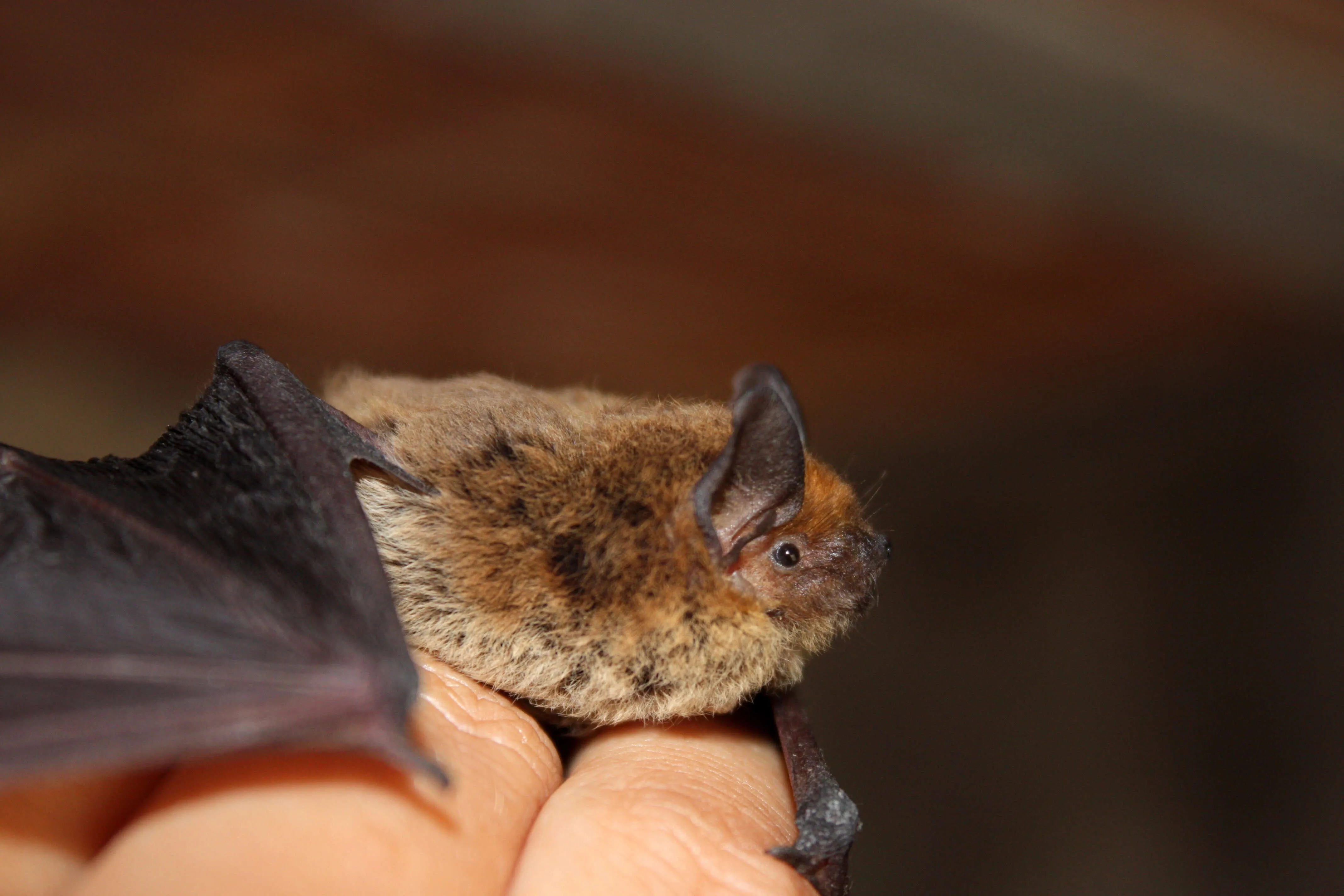
Little brown bat
Myotis lucifugus — Endangered (SARA); >90% decline in eastern Canada from WNS
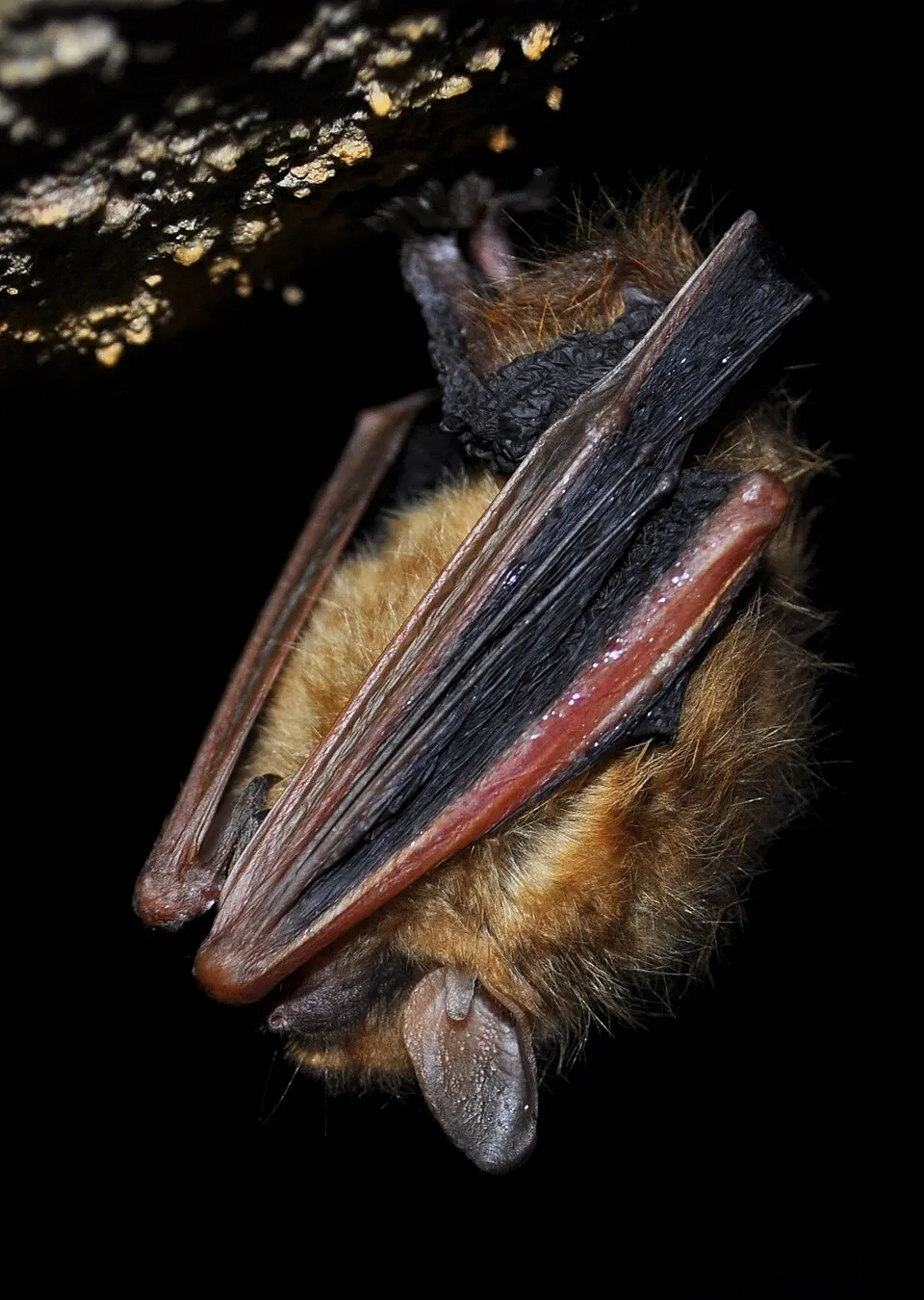
Tri-colored bat
Perimyotis subflavus — Endangered (SARA); ESA listing proposed (U.S.)
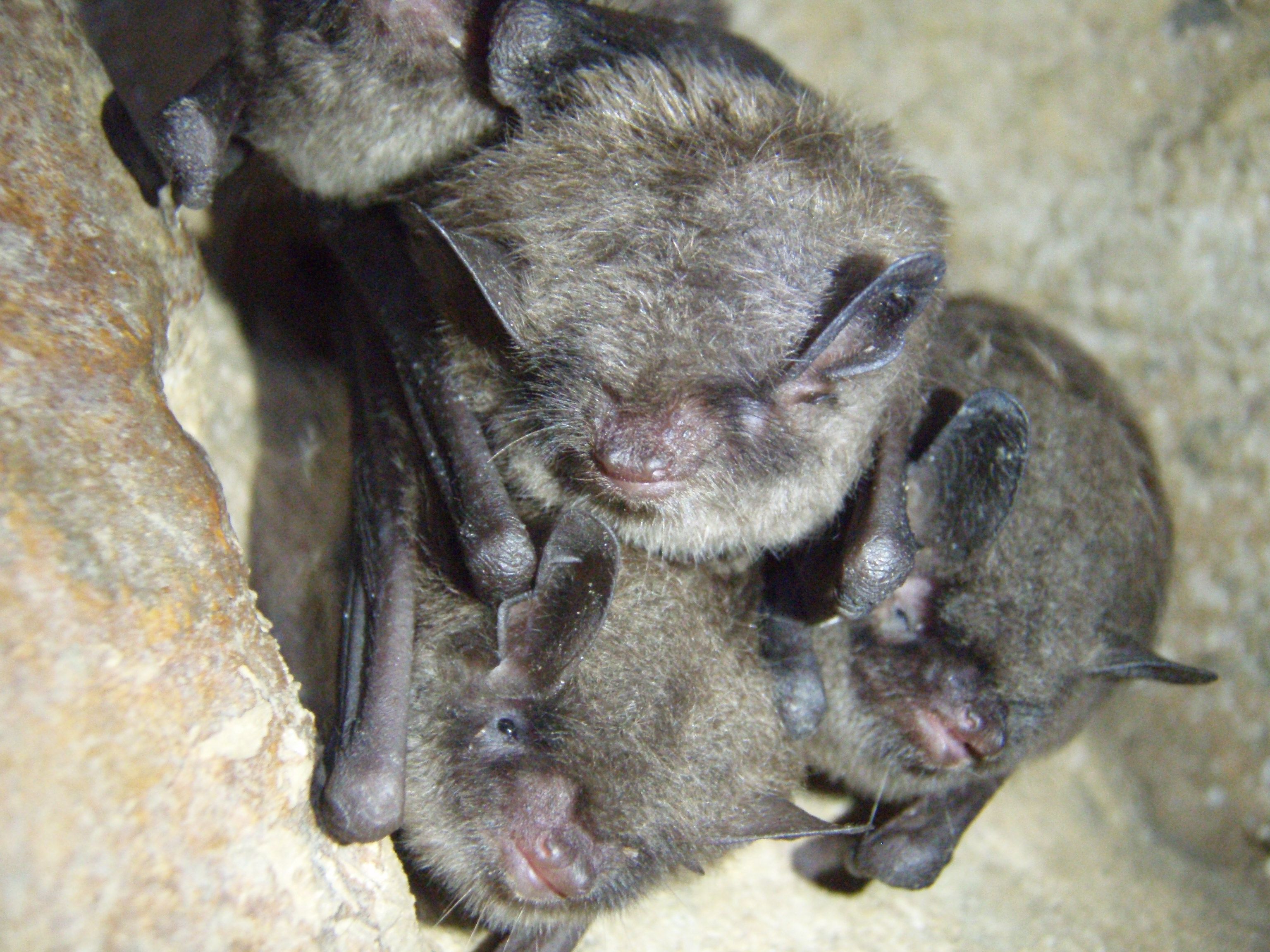
Indiana bat
Myotis sodalis — Endangered (ESA); triggers Section 7 consultation on U.S. projects
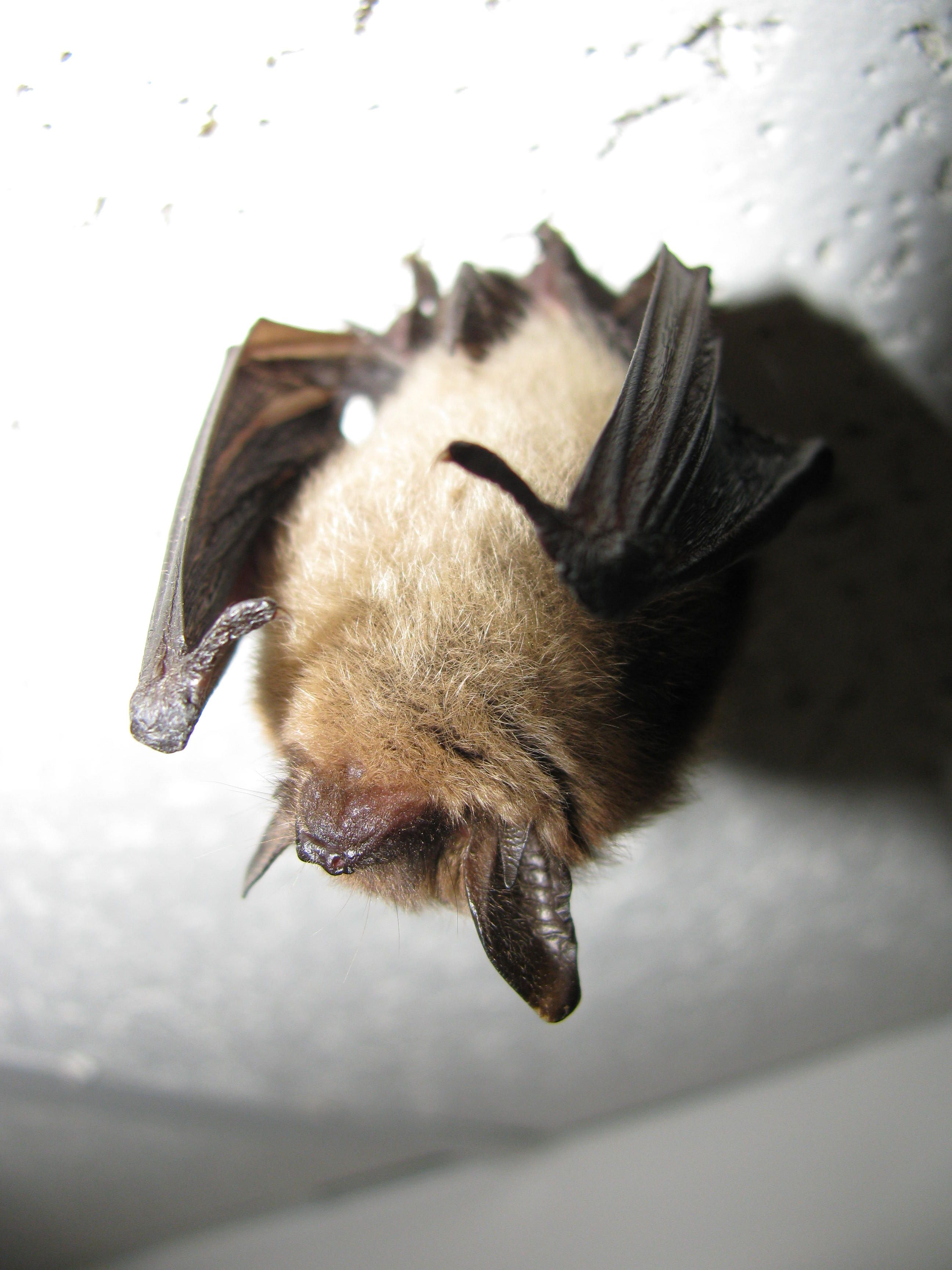
Northern long-eared bat
Myotis septentrionalis — Endangered (ESA & SARA); widespread WNS impact
Big brown bat
Eptesicus fuscus — common, widely monitored; important baseline species across North America
Ready to Analyze your Videos?
Technical pipline
The algorithm is designed for fixed cameras deployed at night, processing image and video data to extract ecologically meaningful outputs with minimal field hardware requirements.
Preprocessing
Frames are denoised to remove insects and small moving objects, with contrast enhancement to reveal faint details in low-light conditions.
Detection
Background subtraction reduces slow lighting changes; frame differencing highlights the fast, small motions characteristic of bat flight.
Tracking
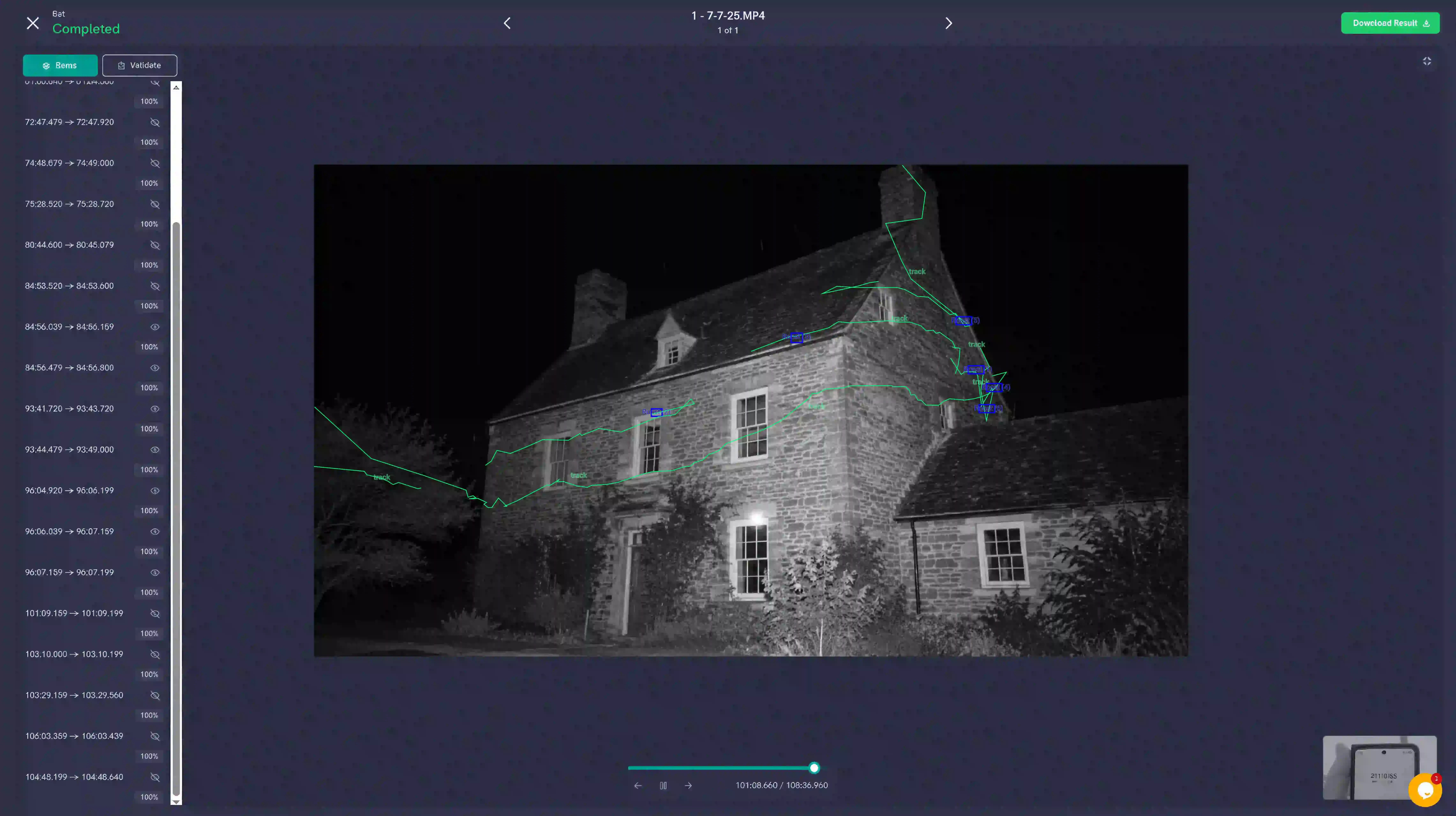
Detected bats are tracked in 2D with a Kalman filter. Overlapping tracks are separated and individual flight paths are recovered across frames.

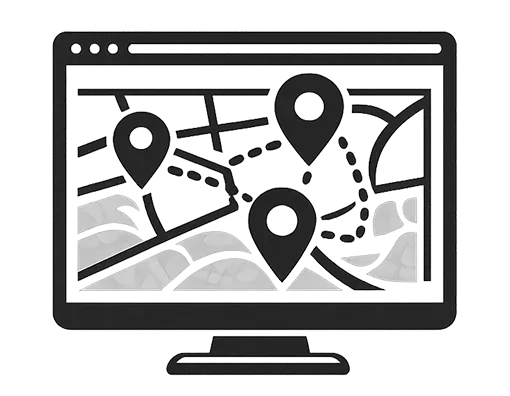
Roost estimation
Track start and end points are clustered spatially. A Gaussian voting scheme selects the most probable roost locations, shown with bounding boxes on the output map.
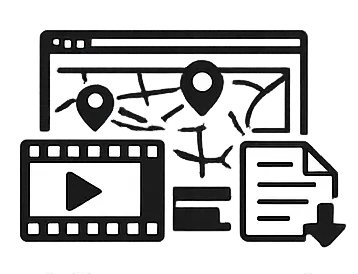
Report generation
Outputs are compiled into a roost candidate map, a tracked-bat video with motion mask, and a downloadable structured report.

Developed with applied ecological expertise
Sam Watson Ecology
Sam Watson is a full member of the Chartered Institute of Ecology and Environmental Management (CIEEM) with over 20 years of applied ecology experience, including principal consultant roles coordinating large-scale, multi-disciplinary ecological surveys and delivering Environmental Impact Assessments and Habitats Regulations Assessments. Sam Watson Ecology provides the field equipment, camera data collection, and ecological validation underpinning the AI model's training and real-world accuracy. The partnership brings together Saiwa's computer vision expertise with deep applied ecology knowledge grounded in real survey practice.